-
 DIY: Video master classes
-
 Aromatherapy
-
 Felting master classes
-
 Eating at home
-
 DIY cosmetics for children
-
 Cooking recipes
-
 Detergents, cleaning products with your own hands
-
 Soap making as a business
-
 Natural cosmetics. Raw materials for cosmetics and soap.
-
 Natural oils in cosmetics
-
 News
-
 Recipes for balms and conditioners
-
 Bath Bomb Recipes
-
 Cream recipes. Cream making.
-
 Lotion recipes. Gel recipes.
-
 Mask recipes
-
 Soap recipes. Base soap. Soap from scratch.
-
 Recipes for all occasions
-
 Natural shampoo recipes
-
 Healthy Nutrition Recipes
-
 Scrub recipes. Massage tiles. Ubtan
-
 DIY candles
-
 Reference materials, questions, tips
-
 Startup - soap production
-
 Hair care. Tips, recipes
-
 Facial skin care. Cleansers.
-
 Body care. Tips, recipes
-
 Photo Reviews
-
 Chocolate Handmade


How to make a shower gel with your own hands - gentle cleansing and care
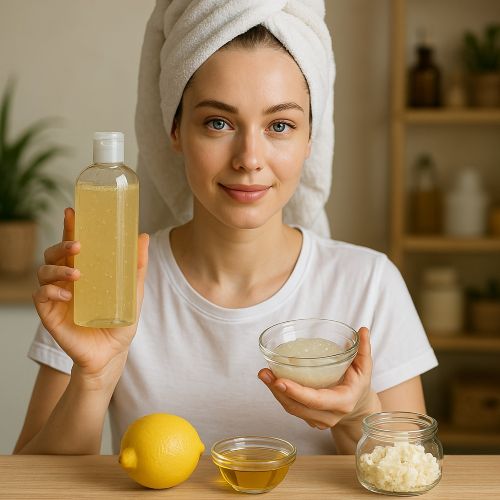 In a world saturated with commercial beauty products, taking control of what goes onto your skin is an empowering choice. Homemade shower gel offers a delightful alternative, allowing you to create a gentle, nourishing cleanser free from harsh sulfates, parabens, and synthetic fragrances that often irritate sensitive skin. This article provides a comprehensive guide to crafting your own luxurious shower gel, delving into the essential ingredients, offering three detailed recipes tailored for different needs, and highlighting the undeniable advantages over their industrial counterparts.
Why DIY Your Shower Gel? The Benefits Beyond Cleanliness
Opting for a homemade shower gel brings a multitude of benefits, transforming your daily shower into a truly personalized and healthy ritual:
- Avoidance of Harsh Chemicals: Many commercial shower gels contain sulfates (like SLS and SLES) that can strip the skin of its natural oils, leading to dryness, irritation, and even allergic reactions. Homemade versions typically use milder, plant-derived surfactants.
- Customization for Your Skin Type: Whether you have dry, sensitive, oily, or normal skin, you can tailor the ingredients to address specific concerns, adding extra moisturizers, soothing botanicals, or invigorating essential oils.
- Nourishment & Hydration: You can infuse your shower gel with skin-loving ingredients like natural oils, glycerin, and botanical extracts that genuinely nourish and hydrate, rather than just cleanse.
- Eco-Friendly Choice: Reducing reliance on plastic packaging and industrial manufacturing processes makes DIY an environmentally conscious decision.
- Cost-Effective: While initial ingredient purchases might seem like an investment, homemade formulations often prove more economical in the long run compared to high-quality natural commercial products.
Essential Ingredients for Your Homemade Shower Gel Base
Understanding the role of each component is key to creating a balanced and effective homemade shower gel:
- Liquid Castile Soap (or Mild Surfactants like Decyl Glucoside / Coco Glucoside): These form the cleansing base. Castile soap is a concentrated vegetable-based soap that's gentle. Decyl Glucoside and Coco Glucoside are ultra-mild, non-ionic surfactants derived from coconut and corn starch, ideal for sensitive skin.
- Distilled Water (or Hydrosols/Herbal Infusions): The liquid base. Distilled water is crucial to avoid minerals and impurities that can affect stability and purity. Hydrosols (e.g., rose, lavender) or cooled herbal teas add botanical benefits and fragrance.
- Vegetable Glycerin: A powerful humectant, meaning it draws moisture from the air into the skin, preventing dryness and leaving skin soft.
- Carrier Oils (e.g., Jojoba, Almond, Grapeseed): Provide emollient and nourishing properties, ensuring the gel doesn't strip the skin. They help dilute essential oils.
- Essential Oils: Used for natural fragrance and therapeutic benefits (e.g., calming lavender, invigorating citrus, antibacterial tea tree). Always research safety and dilution rates.
-
PRESERVATIVE: **This is arguably the most crucial ingredient in any water-based DIY cosmetic.** Without a broad-spectrum preservative, your homemade shower gel will quickly become a breeding ground for bacteria, mold, and yeast, especially in a humid bathroom environment. Natural preservatives (like grapefruit seed extract) are generally ineffective for water-based products; a reliable, broad-spectrum cosmetic preservative is necessary for safety. Common options include Optiphen Plus, Geogard 221, or Liquid Germall Plus. Follow manufacturer's recommended usage rates.
- Optional Thickeners: Xanthan gum or guar gum can be used to achieve a thicker, more gel-like consistency if desired.
Craft Your Own Cleansing Ritual: Three Detailed Shower Gel Recipes
Before you begin, ensure all your equipment (bowls, spatulas, bottles) are meticulously cleaned and sanitized to prevent bacterial contamination. Sterilize bottles by boiling or using rubbing alcohol and allowing them to air dry completely.
Recipe 1: The Everyday Gentle & Hydrating Shower Gel
Perfect for daily use, this formula provides effective cleansing without stripping natural moisture, suitable for most skin types.
Ingredients (for approx. 200 ml):
- 100 ml Liquid Castile Soap (unscented) or Decyl Glucoside
- 80 ml Distilled Water
- 10 ml Vegetable Glycerin
- 5 ml Jojoba Oil or Sweet Almond Oil
- 10-15 drops non-phototoxic essential oils (e.g., Lavender, Sweet Orange (FCF), Cedarwood)
- 2 ml Broad-spectrum liquid cosmetic preservative (e.g., Optiphen Plus - follow specific brand instructions for dosage)
- Optional: 1/4 teaspoon Xanthan Gum (for thickening)
Preparation Nuances & Instructions:
- In a clean, sterilized bowl, combine the distilled water and vegetable glycerin. If using Xanthan Gum, sprinkle it slowly into this mixture while whisking vigorously to avoid clumps. Let it sit for 5-10 minutes to hydrate and thicken slightly.
- Gently pour in the Liquid Castile Soap (or Decyl Glucoside). Pour slowly to avoid creating too many bubbles.
- Add the Jojoba Oil or Sweet Almond Oil.
- Add the essential oils.
- Carefully measure and add your chosen broad-spectrum preservative. This step is crucial for safety.
- Stir everything together very gently to combine. Avoid harsh whisking that creates excessive foam.
- Carefully funnel the mixture into a clean, sterilized dispenser bottle.
Recommendations for Use:
Apply a small amount (a pump or a squirt) onto a loofah, washcloth, or directly onto wet skin. Lather gently and rinse thoroughly. Suitable for daily use on body. Avoid contact with eyes. Perform a patch test before first full use.
Storage:
Store in an airtight dispenser bottle in a cool, dark place (like a bathroom cabinet, away from direct sunlight). Due to the preservative, this gel typically has a shelf life of 6-9 months, depending on the preservative used and proper hygiene during preparation. Discard if you notice any changes in color, scent, or consistency, or if mold/separation occurs.
Advantages over Industrial Analogues:
- Sulfate-Free: No harsh foaming agents that strip skin.
- Customized Hydration: Control the amount of glycerin and nourishing oils.
- Pure Fragrance: Scented only with natural essential oils, avoiding synthetic perfumes.
- Gentle for Daily Use: Formulated to be mild enough for frequent washing without drying out skin.
Recipe 2: The Soothing & Calming Herbal Shower Gel (for Sensitive Skin)
Designed to be extra gentle and calming, perfect for easily irritated or sensitive skin types.
Ingredients (for approx. 200 ml):
- 100 ml Decyl Glucoside (or Coco Glucoside - extra mild surfactant)
- 80 ml Chamomile or Calendula Hydrosol (or strong, cooled herbal tea made with distilled water)
- 10 ml Aloe Vera Gel (pure, raw)
- 5 ml Calendula Oil (macerate - soothing, anti-inflammatory)
- 5-8 drops Roman Chamomile or Lavender essential oil (renowned for calming properties)
- 2 ml Broad-spectrum liquid cosmetic preservative (follow specific brand instructions for dosage)
Preparation Nuances & Instructions:
- If using herbal tea, brew it strong with distilled water and allow it to cool completely before use. Strain thoroughly.
- In a clean, sterilized bowl, gently combine the Decyl Glucoside (or Coco Glucoside) and the hydrosol/herbal tea. Stir slowly to minimize foaming.
- Add the pure Aloe Vera Gel and Calendula Oil.
- Add the selected essential oils.
- Finally, add the broad-spectrum preservative and stir gently until fully incorporated.
- Carefully transfer the mixture into a clean, sterilized dispenser bottle.
Recommendations for Use:
Ideal for daily showering, especially for those with dry, sensitive, or easily irritated skin. Lather onto wet skin and rinse thoroughly. The gentle formula helps maintain the skin's natural barrier. Always perform a patch test.
Storage:
Store in an airtight dispenser bottle in a cool, dark place. Shelf life typically 6-9 months with proper preservation and hygiene. Watch for any signs of spoilage, such as changes in scent or texture.
Advantages over Industrial Analogues:
- Ultra-Mild Surfactants: Uses the gentlest cleansing agents, superior for sensitive skin compared to most commercial products.
- Soothing Botanicals: Directly incorporates calming hydrosols/teas and oils like Calendula, which are often minimal or synthetic in store-bought options.
- Free from Irritants: No dyes, harsh fragrances, or foaming boosters that can trigger sensitivity.
- Customizable for Allergies: Avoid specific ingredients you know your skin reacts to.
Recipe 3: The Energizing Citrus & Spice Shower Gel
An invigorating blend to awaken your senses and refresh your skin, perfect for a morning shower.
Ingredients (for approx. 200 ml):
- 100 ml Liquid Castile Soap (unscented)
- 80 ml Strong Green Tea Infusion (cooled, made with distilled water - for antioxidants)
- 10 ml Liquid Coconut Oil (Fractionated or MCT - light and nourishing)
- 5 ml Witch Hazel Hydrosol (toning and refreshing)
- 15 drops essential oils (e.g., 8 drops Sweet Orange (FCF - Furanocoumarin-Free), 5 drops Rosemary, 2 drops Cinnamon Bark (use very sparingly, can be irritating in high concentrations))
- 2 ml Broad-spectrum liquid cosmetic preservative (follow specific brand instructions for dosage)
Preparation Nuances & Instructions:
- Brew strong green tea with distilled water and let it cool completely. Strain thoroughly.
- In a clean, sterilized bowl, combine the cooled green tea infusion and Witch Hazel Hydrosol.
- Gently pour in the Liquid Castile Soap, stirring slowly to avoid excessive foam.
- Add the Liquid Coconut Oil and the chosen essential oils. **Ensure your citrus essential oil is FCF to avoid photosensitivity.** Be cautious with Cinnamon Bark essential oil; even a small amount can cause irritation for some.
- Add the broad-spectrum preservative, mixing gently until well combined.
- Carefully transfer the mixture into a clean, sterilized dispenser bottle.
Recommendations for Use:
Apply a small amount to a loofah or washcloth in the shower for an invigorating experience. Lather and rinse well. The green tea adds antioxidant benefits. Not recommended for very sensitive skin due to potent essential oils. Perform a patch test first.
Storage:
Store in an airtight dispenser bottle in a cool, dark place. Shelf life is typically 6-9 months with proper preservation and hygiene. Discard if any signs of spoilage appear.
Advantages over Industrial Analogues:
- Natural Invigoration: Uses pure essential oils for an awakening scent, avoiding synthetic fragrances that may cause headaches or skin reactions.
- Antioxidant Boost: Infusion of real green tea provides natural antioxidant benefits directly to the skin.
- Customizable Scent & Effect: Control the intensity and type of fragrance, and the specific skin benefits, by choosing different essential oil blends.
- Transparency: No hidden "fragrance" components that could be synthetic mixtures.
Important Considerations for Homemade Shower Gels
- Hygiene and Sterilization: This cannot be stressed enough. Any water-based product is prone to microbial growth. Always use sterilized equipment and bottles.
- The Non-Negotiable Preservative: Do not skip the broad-spectrum cosmetic preservative. Natural alternatives like Vitamin E or grapefruit seed extract are NOT sufficient for water-based products and can lead to mold and bacterial growth, posing health risks.
- pH Balance: While not always strictly necessary for simple shower gels, for advanced formulations, testing the pH with pH strips is a good practice to ensure it's skin-friendly (ideally around 5.5-6.5).
- Thickening: If your gel is too thin, a tiny amount of Xanthan Gum (0.1-0.5%) can be added to the water phase at the beginning of preparation. It creates a good texture but must be whisked very well to avoid clumps.
- Essential Oil Dilution: Always adhere to safe dilution rates (typically 0.5-2% total for body products) and research specific essential oil contraindications, especially for sensitive skin or specific health conditions.
- Patience: Some ingredients might take a few hours to fully dissolve or blend, and the gel's consistency might thicken over 24 hours.
The DIY Advantage: Why Homemade Gels Outshine Commercial Ones
- Purity and Transparency: You know exactly what's in your product, eliminating concerns about harsh chemicals, hidden allergens, or endocrine disruptors.
- Tailored to Your Needs: Customize formulas for specific skin concerns (dryness, sensitivity, oiliness) or aromatherapy preferences.
- Fresher Ingredients: Homemade batches mean you're using fresh active ingredients, which might degrade over time in mass-produced products.
- Cost-Effectiveness: While initial investment in raw materials exists, per-use cost often becomes significantly lower than buying premium natural shower gels.
- Environmental Impact: Reduce plastic waste by reusing your dispenser bottles and sourcing ingredients more consciously.
Conclusion: Embrace a Mindful Cleansing Ritual
Crafting your own shower gel is a delightful journey into personalized skincare. It's an opportunity to embrace gentle, nourishing ingredients that truly care for your skin, free from the harsh additives often found in commercial products. With careful preparation, adherence to safety guidelines (especially concerning preservatives), and a touch of creativity, you can elevate your daily cleansing routine into a mindful ritual that leaves your skin feeling clean, soft, and beautifully cared for. Dive in, experiment, and enjoy the blissful simplicity of homemade goodness!


Cosmetic ingredients and professional formulation blog
This section features expert materials on modern cosmetic actives. We cover peptides, polynucleotides PDRN, different forms of hyaluronic acid, retinoids, ceramides and other key components.
Special focus is given to active stability, ingredient compatibility and correct incorporation into formulas. You will find practical guides on working with anti-age actives, moisturizing complexes and barrier repair ingredients.
We examine how to properly combine myorelaxants with peptides, common mistakes when using unstable vitamin C forms and ways to improve the performance of moisturizing actives.
Separate materials are dedicated to base oils, extracts, emulsifiers and supporting ingredients. This helps create stable and effective formulas for both professional and home cosmetics.
The blog regularly publishes reviews of trending actives, comparisons of similar ingredients and step-by-step formulation recommendations. The content is aimed at formulators, technologists and anyone seriously involved in creating cosmetic products.
Why this blog is useful
Here you will find practical data on eye area care actives, lifting systems and ingredients that improve skin firmness and tone. We rely on real formulation experience and address the actual challenges that arise during product development.
You can also explore materials on skin protection and repair, depigmentation and anti-inflammatory actives. This approach supports a more systematic selection of ingredients.
FAQ
What topics are covered most often
The blog focuses on peptides, PDRN, hyaluronic acid of different molecular weights, retinoids, ceramides and their compatibility rules.
Are there practical recommendations on how to incorporate actives
Yes, most articles include practical notes on pH stability, incorporation temperature and common formulation mistakes.
Is the content only for professionals
The materials are useful both for formulators and technologists and for those who create cosmetics for personal use and want to understand how modern ingredients work.
Where can I go directly to the ingredients
All key actives are collected in the Actives section, while base components are available in base oils and related categories.



