-
 DIY: Video master classes
-
 Aromatherapy
-
 Felting master classes
-
 Eating at home
-
 DIY cosmetics for children
-
 Cooking recipes
-
 Detergents, cleaning products with your own hands
-
 Soap making as a business
-
 Natural cosmetics. Raw materials for cosmetics and soap.
-
 Natural oils in cosmetics
-
 News
-
 Recipes for balms and conditioners
-
 Bath Bomb Recipes
-
 Cream recipes. Cream making.
-
 Lotion recipes. Gel recipes.
-
 Mask recipes
-
 Soap recipes. Base soap. Soap from scratch.
-
 Recipes for all occasions
-
 Natural shampoo recipes
-
 Healthy Nutrition Recipes
-
 Scrub recipes. Massage tiles. Ubtan
-
 DIY candles
-
 Reference materials, questions, tips
-
 Startup - soap production
-
 Hair care. Tips, recipes
-
 Facial skin care. Cleansers.
-
 Body care. Tips, recipes
-
 Photo Reviews
-
 Chocolate Handmade


How to choose base oils for your skin type and formula needs
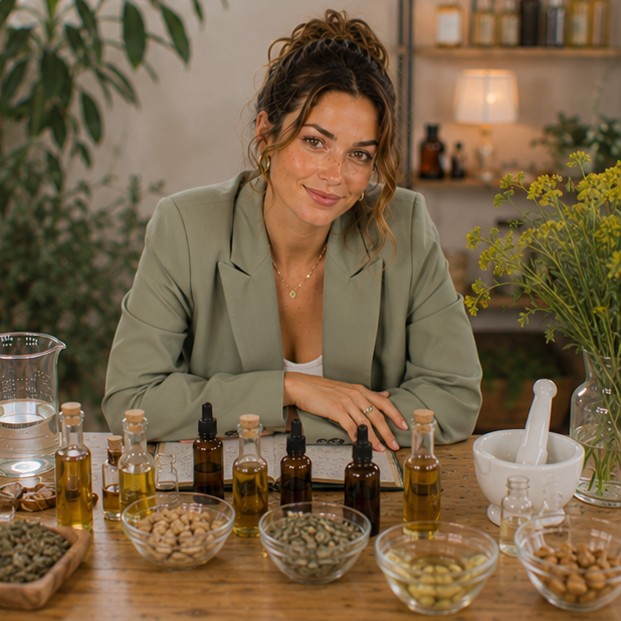 Botanical carrier oils are lipid extracts obtained through cold pressing the seeds, nuts, kernels, or fruits of plants. Unlike mineral oils or synthetic esters, natural carrier oils consist of complex triglyceride structures rich in essential fatty acids, phytosterols, squalene, and fat-soluble vitamins such as vitamin A and vitamin E. Incorporating carefully selected carrier oils into custom skincare formulations strengthens the intercellular lipid matrix of the stratum corneum, prevents transepidermal water loss, and provides targeted nutrient delivery.
Selecting the appropriate carrier oil requires an understanding of lipid biochemistry. The primary fatty acids present in carrier oils are oleic acid, linoleic acid, alpha-linolenic acid, and palmitic acid. Oils dominated by monounsaturated oleic acid are rich, deeply penetrating, and highly nourishing, making them ideal for dry and barrier-compromised skin. Conversely, oils rich in polyunsaturated linoleic acid possess light, fast-absorbing textures that help balance sebum composition in acne-prone and oily skin types, where natural sebum is often deficient in linoleic acid.
Technical Criteria for Matching Carrier Oils to Skin Types and Objectives
Achieving an optimal oil phase formulation depends on evaluating comedogenicity ratings, oxidative stability, and specific skin conditions.
Formulation Guidelines for Carrier Oil Selection Protocol first Assess the comedogenic score of each lipid. Oils rated from zero to one, such as hemp seed oil, argan oil, and rosehip seed oil, will not clog pores and are ideal for acne-prone or oily skin. Oils rated from three to five, such as coconut oil or wheat germ oil, are best reserved for extreme dry patches or body care formulas. Protocol second Match fatty acid ratios to the skin type. Formulate for oily and combination skin using high-linoleic oils like evening primrose, grape seed, or watermelon seed oil. Formulate for dry, mature, or damaged skin using high-oleic oils like macadamia, avocado, or sweet almond oil. Protocol third Calculate thermal stability and oxidative vulnerability. Highly polyunsaturated oils oxidise quickly when exposed to heat and light. Use heat-stable, saturated or monounsaturated oils like jojoba, meadowfoam, or squalane during hot-process emulsification, and add delicate polyunsaturated oils during the cool-down phase. Protocol fourth Integrate lipid-soluble antioxidants like mixed tocopherols. Adding zero point two percent to zero point five percent vitamin E prevents lipid peroxidation, extending the shelf life of raw carrier oils and finished formulations.
Thermal Processing Limits, Phase Integration, and Oxidation Prevention
Preserving the active phytochemicals and double bonds in natural plant lipids requires strict thermal boundary controls during preparation.
Temperature Thresholds Delicate cold-pressed oils rich in linoleic and linolenic acids degrade rapidly when exposed to high heat. Heating polyunsaturated lipids past safe limits generates free radicals and produces unpleasant rancid odors. Maintain processing temperatures strictly below thirty degrees Celsius when adding cold-pressed therapeutic oils to the cool-down phase of emulsions or anhydrous blends.
Formulation Phase Integration In emulsion-based skincare like creams and lotions, the lipid phase must be balanced between structural lipids and active lipids. Combine heat-stable carrier oils with your emulsifier in the primary oil phase for heating. Once the emulsion has formed and cooled to room temperature below thirty degrees Celsius, stir in your heat-sensitive active oils alongside broad-spectrum preservatives and antioxidants.
Advantages of Custom Carrier Oil Formulations Over Commercial Products
Mass-market commercial creams and serums often compromise lipid quality to reduce manufacturing costs and ensure multi-year retail shelf stability. Industrial formulations frequently replace active botanical oils with synthetic silicones, mineral oil, or hydrogenated isoalkanes. These synthetic substitutes create a temporary illusion of smoothness but offer zero biological nutrients to the epidermal cells.
When commercial brands do include plant oils, they typically use highly refined, deodorized, and bleached oils stripped of their natural vitamins, phytosterols, and natural aromas to maintain batch uniformity.
Crafting custom small-batch oil formulations provides clear dermal advantages: You utilize pure, unrefined, cold-pressed botanical oils containing one hundred percent active phytonutrients and intact essential fatty acids. You customize the exact fatty acid balance to target individual dermal concerns such as hyperpigmentation, impaired barrier function, or excess sebum. You eliminate synthetic silicones, petrolatum derivatives, artificial dyes, and heavy synthetic fragrances. You formulate fresh batches fortified with natural antioxidants to ensure peak therapeutic efficacy without harsh industrial additives.
Workspace Sanitation and Tool Sterilization Protocol
Formulating custom lipid serums and creams requires high laboratory hygiene standards to prevent bacterial contamination and lipid degradation.
Sanitize your entire workspace using a broad-spectrum surface disinfectant. Wash your hands thoroughly with warm water and antibacterial soap, then put on sterile disposable nitrile gloves. Wash all laboratory equipment, including glass beakers, glass stirring rods, digital scales, micro-pipettes, and final glass packaging. Rinse every item with distilled water to remove tap water minerals, then spray generously with seventy percent isopropyl alcohol. Allow all instruments to air-dry completely on clean paper towels before weighing ingredients.
Recipe First Balancing facial Oil for Oily and Acne-Prone Skin
A lightweight, non-comedogenic facial oil designed to regulate excess sebum production, calm micro-inflammation, and restore linoleic acid levels in the skin barrier.
Composition twenty milliliters jojoba oil fifteen milliliters hemp seed oil twelve milliliters grape seed oil two milliliters rosehip seed oil zero point five milliliters vitamin E tocopherol
Preparation Step first Sanitize glass beakers, glass stirring rod, digital scale, and a dark glass dropper bottle using seventy percent isopropyl alcohol. Step second Measure twenty milliliters of jojoba oil into a main glass beaker as the stable base. Step third Add fifteen milliliters of cold-pressed hemp seed oil and twelve milliliters of grape seed oil to the beaker, stirring gently with a glass rod. Step fourth Add two milliliters of rosehip seed oil to provide natural trans-retinoic acid for cellular turnover. Step fifth Incorporate zero point five milliliters of vitamin E tocopherol to protect the delicate polyunsaturated fatty acids from oxidation. Step sixth Stir the blended oil mixture continuously for two minutes until completely uniform, ensuring the fluid temperature remains strictly below thirty degrees Celsius. Step seventh Transfer the clear balancing oil into your sanitized dark glass dropper bottle and seal tightly.
Recipe Second Deep Repair Barrier Cream for Dry and Sensitive Skin
A rich, nourishing water-in-oil emulsion engineered to repair a damaged stratum corneum, lock in moisture, and relieve severe skin dryness.
Composition twenty-five milliliters distilled water ten milliliters macadamia nut oil eight milliliters avocado oil four grams olivem 1000 emulsifying wax two milliliters evening primrose oil zero point five milliliters D-panthenol zero point five milliliters Geogard 221 eco preservative
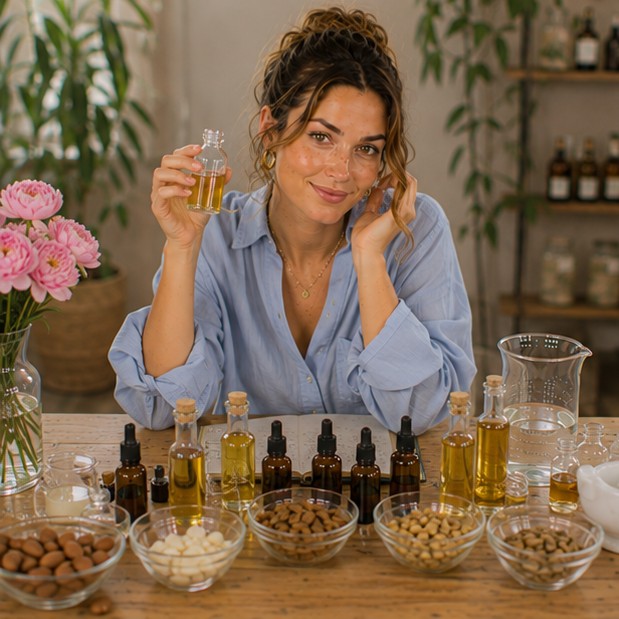
Preparation Step first Disinfect heat-safe glass beakers, glass stirring rod, digital scale, thermometer, and a cosmetic jar with seventy percent isopropyl alcohol. Step second In the first beaker, combine ten milliliters of macadamia nut oil, eight milliliters of avocado oil, and four grams of olivem 1000 emulsifying wax. Step third In a second beaker, measure twenty-five milliliters of distilled water. Step fourth Gently heat both beakers in a water bath until the emulsifying wax in the oil phase is fully melted, then remove both beakers from heat. Step fifth Slowly pour the water phase into the oil phase while stirring continuously for five minutes until a smooth, glossy emulsion forms. Step sixth Allow the cream to cool down until the temperature drops strictly below thirty degrees Celsius. Step seventh Add two milliliters of evening primrose oil, zero point five milliliters of D-panthenol, and zero point five milliliters of Geogard 221 eco preservative, then stir for three minutes before decanting into your sanitized cosmetic jar.
Recipe Third Rejuvenating Lipid Complex for Mature Skin
An advanced lipid serum rich in monounsaturated fats, phytosterols, and natural carotenoids designed to improve skin elasticity and smooth fine lines.
Composition twenty milliliters argan oil fifteen milliliters pomegranate seed oil ten milliliters sacha inchi oil four milliliters sea buckthorn fruit oil one milliliter vitamin E tocopherol
Preparation Step first Sanitize glass beakers, glass stirring rod, digital scale, and an airless pump container using seventy percent isopropyl alcohol. Step second Measure twenty milliliters of argan oil into a glass beaker to serve as the core lipid base. Step third Add fifteen milliliters of pomegranate seed oil and ten milliliters of sacha inchi oil, stirring thoroughly with a glass rod. Step fourth Carefully measure four milliliters of vibrant orange sea buckthorn fruit oil and incorporate it into the mixture for intense antioxidant support. Step fifth Add one milliliter of vitamin E tocopherol to stabilize the complex lipid profile. Step sixth Mix the liquid continuously for two minutes at room temperature strictly below thirty degrees Celsius. Step seventh Decant the rich amber lipid complex into your sanitized airless pump bottle.
Daily Application Protocols and Skincare Routine Integration
Proper application methods enhance lipid absorption and ensure maximum synergy with skin moisture levels.
Apply pure lipid serums and facial oils immediately after cleansing and applying water-based toners or hyaluronic acid serums while the skin remains damp. Dispense three to four drops of oil onto clean palms, rub hands together gently to warm the liquid, and press firmly into the skin of the face, neck, and décolleté. Pressing rather than rubbing prevents dragging the skin and promotes optimal lipid integration with the stratum corneum. For dry skin, apply facial oils over your daily moisturizing cream to act as an occlusive protective shield. Always perform a patch test on the inner forearm twenty-four hours prior to initial facial application to screen for individual plant allergies.
Storage Conditions and Product Longevity Standards
Custom botanical oil formulations containing unrefined polyunsaturated fatty acids require protective environmental controls to prevent lipid oxidation and rancidity.
Store finished facial oils and lipid creams in dark amber, cobalt blue, or opaque airless glass containers to protect light-sensitive lipids from ultraviolet degradation. Keep all custom products in a cool, dark environment at stable temperatures between eight and fourteen degrees Celsius, such as a cosmetic refrigerator or dark cabinet away from heating sources. Ensure bottle caps and pumps are tightly sealed immediately after every use to minimize exposure to atmospheric oxygen. Formulated under clean conditions and fortified with natural vitamin E, custom cold-pressed lipid blends maintain optimal freshness, aroma, and therapeutic efficacy for six to eight months.


Cosmetic ingredients and professional formulation blog
This section features expert materials on modern cosmetic actives. We cover peptides, polynucleotides PDRN, different forms of hyaluronic acid, retinoids, ceramides and other key components.
Special focus is given to active stability, ingredient compatibility and correct incorporation into formulas. You will find practical guides on working with anti-age actives, moisturizing complexes and barrier repair ingredients.
We examine how to properly combine myorelaxants with peptides, common mistakes when using unstable vitamin C forms and ways to improve the performance of moisturizing actives.
Separate materials are dedicated to base oils, extracts, emulsifiers and supporting ingredients. This helps create stable and effective formulas for both professional and home cosmetics.
The blog regularly publishes reviews of trending actives, comparisons of similar ingredients and step-by-step formulation recommendations. The content is aimed at formulators, technologists and anyone seriously involved in creating cosmetic products.
Why this blog is useful
Here you will find practical data on eye area care actives, lifting systems and ingredients that improve skin firmness and tone. We rely on real formulation experience and address the actual challenges that arise during product development.
You can also explore materials on skin protection and repair, depigmentation and anti-inflammatory actives. This approach supports a more systematic selection of ingredients.
FAQ
What topics are covered most often
The blog focuses on peptides, PDRN, hyaluronic acid of different molecular weights, retinoids, ceramides and their compatibility rules.
Are there practical recommendations on how to incorporate actives
Yes, most articles include practical notes on pH stability, incorporation temperature and common formulation mistakes.
Is the content only for professionals
The materials are useful both for formulators and technologists and for those who create cosmetics for personal use and want to understand how modern ingredients work.
Where can I go directly to the ingredients
All key actives are collected in the Actives section, while base components are available in base oils and related categories.



