-
 DIY: Video master classes
-
 Aromatherapy
-
 Felting master classes
-
 Eating at home
-
 DIY cosmetics for children
-
 Cooking recipes
-
 Detergents, cleaning products with your own hands
-
 Soap making as a business
-
 Natural cosmetics. Raw materials for cosmetics and soap.
-
 Natural oils in cosmetics
-
 News
-
 Recipes for balms and conditioners
-
 Bath Bomb Recipes
-
 Cream recipes. Cream making.
-
 Lotion recipes. Gel recipes.
-
 Mask recipes
-
 Soap recipes. Base soap. Soap from scratch.
-
 Recipes for all occasions
-
 Natural shampoo recipes
-
 Healthy Nutrition Recipes
-
 Scrub recipes. Massage tiles. Ubtan
-
 DIY candles
-
 Reference materials, questions, tips
-
 Startup - soap production
-
 Hair care. Tips, recipes
-
 Facial skin care. Cleansers.
-
 Body care. Tips, recipes
-
 Photo Reviews
-
 Chocolate Handmade


How to read INCI: what is hidden behind the complex names on the label
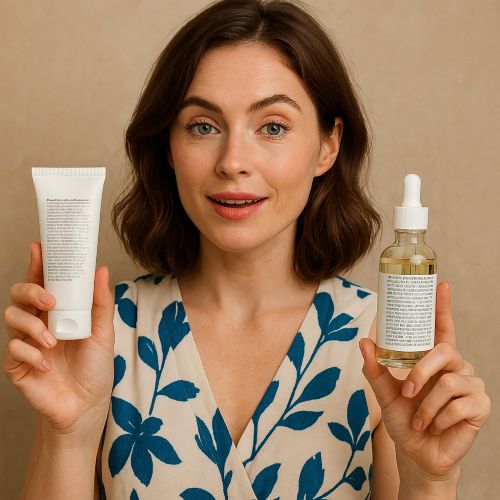 Navigating the world of cosmetics can feel like deciphering a secret code. You pick up a product, flip it over, and are confronted with a list of foreign, complex-sounding names: INCI. This stands for the International Nomenclature of Cosmetic Ingredients, a standardized system designed to provide clarity. Yet, for the average consumer, it often creates more confusion than it resolves. Understanding how to read and interpret these labels is a superpower. It empowers you to make informed decisions, avoid potentially harmful ingredients, and choose products that genuinely deliver on their promises. This article will be your comprehensive guide to decoding INCI, exploring common ingredient categories, and showing you how to formulate your own recipes that boast clean, transparent labels, providing a distinct advantage over many industrial counterparts.
Why Reading INCI Is Crucial for Conscious Skincare
In a market saturated with marketing claims, the INCI list is the only objective source of truth. It tells you exactly what is in the product and in what concentration.
-
Transparency and Trust: A brand's commitment to clean, safe ingredients is reflected in its INCI list. Learning to read it allows you to verify marketing claims like "natural" or "hypoallergenic" for yourself.
-
Avoiding Irritants and Allergens: For those with sensitive skin, allergies, or specific skin conditions, knowing how to identify irritants like harsh sulfates, synthetic fragrances, or specific preservatives is essential for preventing adverse reactions.
-
Assessing Efficacy: The order of ingredients on an INCI list matters. They are listed in descending order of concentration. This allows you to identify if a key active ingredient is present in a meaningful amount or if it's just a trace element used for marketing.
Your Decoding Toolkit: A Breakdown of INCI Categories
INCI names often use Latin, English, or chemical terms. By understanding the common suffixes and prefixes, you can quickly identify the function of an ingredient.
-
Oils and Butters: These are often listed by their Latin botanical name. Look for names like Simmondsia Chinensis Seed Oil (Jojoba Oil), Butyrospermum Parkii Butter (Shea Butter), or Cocos Nucifera Oil (Coconut Oil).
-
Surfactants: These are the cleansing agents. They often have "-sulfate," "-betaine," or "-glucoside" in their names. Examples include Sodium Lauryl Sulfate, Cocamidopropyl Betaine, and Decyl Glucoside. Look for mild, plant-derived options.
-
Emulsifiers: These are crucial for mixing oil and water. They often end in "-yl glucoside," "-yl stearate," or "-th-". Cetearyl Olivate is a common plant-derived emulsifier.
-
Actives: These are the "workhorses" of a formula. They are often listed by their common names or chemical terms. Look for Niacinamide (Vitamin B3), Tocopherol (Vitamin E), or Ascorbic Acid (Vitamin C). Their position on the list is key. If they're at the very end, their concentration is likely too low to be effective.
-
Preservatives: Essential for safety and shelf life. Many end in "-sorbate" or "-benzoate." Common examples are Potassium Sorbate or Sodium Benzoate. Natural preservatives might include Radish Root Ferment Filtrate.
The INCI list is organized by concentration, from highest to lowest. Ingredients present at a concentration of less than 1% can be listed in any order at the end of the list. This is a crucial rule to remember when evaluating the efficacy of a product.
The Advantages of DIY: A Clean Label in Your Hands
Formulating your own cosmetic products gives you complete control over the INCI list. You become the ingredient gatekeeper, ensuring every single component is there for a reason and in an effective concentration.
-
Ingredient Simplicity: Homemade recipes often contain a fraction of the ingredients of a commercial product, eliminating unnecessary fillers, stabilizers, and synthetic additives.
-
Superior Potency: You can use therapeutic concentrations of expensive active ingredients that are often only present in trace amounts in store-bought products.
-
Avoiding Harmful Synthetics: You can choose to exclude parabens, phthalates, synthetic fragrances, and harsh surfactants, opting instead for gentle, plant-derived alternatives.
-
Freshness and Shelf Life: You can prepare small batches, guaranteeing the freshness and potency of your ingredients, especially for sensitive actives like Vitamin C.
Three Recipes with a Transparent INCI List
These recipes are designed to be simple, effective, and have an INCI list that you can read and understand with confidence.
Recipe 1: Simple and Hydrating Face Serum
This serum has a short INCI list, with every ingredient serving a clear purpose.
-
Prepare the water phase. In a sterilized beaker, weigh 90g of distilled water.
-
Add the key active. Add 2g of low molecular weight hyaluronic acid powder. Stir the mixture gently until it forms a smooth, clear gel. This may take several hours.
-
Introduce the humectant and active. Once the gel is formed, add 5g of vegetable glycerin and 3g of niacinamide powder. Stir until fully dissolved.
-
Finalize and preserve. Add a broad-spectrum preservative like 1g of Geogard 221. Stir gently until completely blended. Pour the serum into a dark, air-tight bottle.
Recommendations for Use: Apply 2-3 drops to clean, damp skin morning and night before a moisturizer.
Storage: Store in a cool, dark place. The shelf life is 3-6 months.
INCI List: Aqua, Sodium Hyaluronate, Glycerin, Niacinamide, Benzyl Alcohol, Dehydroacetic Acid (Geogard 221).
Recipe 2: Gentle Rose Clay Cleansing Mask
This mask is perfect for a clean label, containing only a few ingredients that are easy to identify.
-
Prepare the ingredients. Measure out 15g of rose clay, 5g of finely ground colloidal oatmeal, and 10g of distilled water or rose hydrosol.
-
Mix the dry ingredients. In a clean, sterilized bowl, combine the rose clay and colloidal oatmeal.
-
Create the paste. Slowly add the water or hydrosol to the dry ingredients, mixing with a spatula until you have a smooth paste.
Recommendations for Use: Apply an even layer to your face and neck. Leave on for 10-15 minutes, then rinse off with warm water. Use once a week.
Storage: This recipe is designed to be made fresh for each use. Do not store this mask, as it contains water and no preservative.
INCI List: Rosa Gallica Flower (Rose) Clay, Avena Sativa Kernel Flour (Colloidal Oatmeal), Aqua (Distilled Water).
Recipe 3: Nourishing Lip Balm with Simple Oils
This balm offers superior hydration with a transparent, easy-to-read list of ingredients.
-
Prepare the ingredients. Weigh 10g of beeswax, 15g of shea butter, and 25g of sweet almond oil.
-
Melt the butters and wax. In a double boiler, gently melt the beeswax and shea butter until they are fully liquid.
-
Add the oil. Add the sweet almond oil to the mixture. Stir until everything is well combined and clear.
-
Add fragrance. Remove from heat. When the mixture is slightly cooled but still liquid, add 10-15 drops of a cosmetic-grade flavor oil (optional).
-
Pour into containers. Pour the liquid balm into small, clean pots or lip balm tubes. Allow to cool completely before capping.
Recommendations for Use: Apply a small amount to your lips whenever they feel dry.
Storage: Store in a cool, dry place. The shelf life is up to one year.
INCI List: Prunus Amygdalus Dulcis Oil (Sweet Almond Oil), Butyrospermum Parkii Butter (Shea Butter), Cera Alba (Beeswax).
Advantages of Homemade Cosmetics with a Clean INCI over Industrial Analogues
By mastering the art of reading INCI, you'll quickly see why homemade cosmetics are a better choice.
-
 Authentic Efficacy: You're not paying for flashy packaging or marketing jargon. You're investing in ingredients that are present in effective concentrations and are fresh.
-
No Hidden Fillers: You can avoid cheap fillers like mineral oil or silicones that often pad out a commercial formula, offering a silky feel without any real benefits.
-
Customization: With a clean INCI list, you can pinpoint exactly what works for your skin and what doesn't, allowing you to fine-tune your formulas for maximum results.
-
Ethical and Environmental Choice: You can choose to source from ethical suppliers and use ingredients that are biodegradable, reducing your environmental footprint.
Reading the INCI list is the first step toward becoming a savvy consumer and a skilled cosmetic formulator. It's the key to unlocking the true potential of your skincare routine, ensuring every product you use is safe, effective, and perfectly tailored to your needs.


Cosmetic ingredients and professional formulation blog
This section features expert materials on modern cosmetic actives. We cover peptides, polynucleotides PDRN, different forms of hyaluronic acid, retinoids, ceramides and other key components.
Special focus is given to active stability, ingredient compatibility and correct incorporation into formulas. You will find practical guides on working with anti-age actives, moisturizing complexes and barrier repair ingredients.
We examine how to properly combine myorelaxants with peptides, common mistakes when using unstable vitamin C forms and ways to improve the performance of moisturizing actives.
Separate materials are dedicated to base oils, extracts, emulsifiers and supporting ingredients. This helps create stable and effective formulas for both professional and home cosmetics.
The blog regularly publishes reviews of trending actives, comparisons of similar ingredients and step-by-step formulation recommendations. The content is aimed at formulators, technologists and anyone seriously involved in creating cosmetic products.
Why this blog is useful
Here you will find practical data on eye area care actives, lifting systems and ingredients that improve skin firmness and tone. We rely on real formulation experience and address the actual challenges that arise during product development.
You can also explore materials on skin protection and repair, depigmentation and anti-inflammatory actives. This approach supports a more systematic selection of ingredients.
FAQ
What topics are covered most often
The blog focuses on peptides, PDRN, hyaluronic acid of different molecular weights, retinoids, ceramides and their compatibility rules.
Are there practical recommendations on how to incorporate actives
Yes, most articles include practical notes on pH stability, incorporation temperature and common formulation mistakes.
Is the content only for professionals
The materials are useful both for formulators and technologists and for those who create cosmetics for personal use and want to understand how modern ingredients work.
Where can I go directly to the ingredients
All key actives are collected in the Actives section, while base components are available in base oils and related categories.



