-
 DIY: Video master classes
-
 Aromatherapy
-
 Felting master classes
-
 Eating at home
-
 DIY cosmetics for children
-
 Cooking recipes
-
 Detergents, cleaning products with your own hands
-
 Soap making as a business
-
 Natural cosmetics. Raw materials for cosmetics and soap.
-
 Natural oils in cosmetics
-
 News
-
 Recipes for balms and conditioners
-
 Bath Bomb Recipes
-
 Cream recipes. Cream making.
-
 Lotion recipes. Gel recipes.
-
 Mask recipes
-
 Soap recipes. Base soap. Soap from scratch.
-
 Recipes for all occasions
-
 Natural shampoo recipes
-
 Healthy Nutrition Recipes
-
 Scrub recipes. Massage tiles. Ubtan
-
 DIY candles
-
 Reference materials, questions, tips
-
 Startup - soap production
-
 Hair care. Tips, recipes
-
 Facial skin care. Cleansers.
-
 Body care. Tips, recipes
-
 Photo Reviews
-
 Chocolate Handmade


Glycolic peeling 10 percent - home care with a professional effect
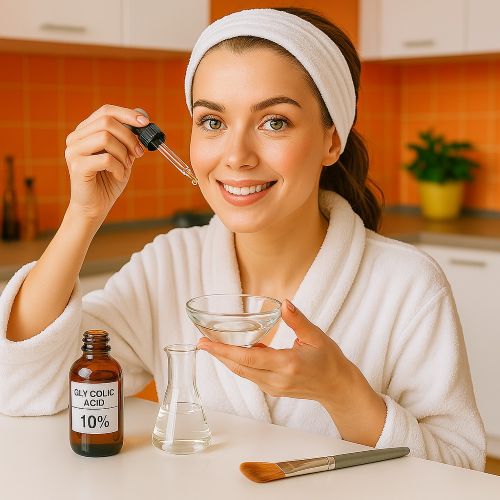 Glycolic acid, an alpha-hydroxy acid (AHA) derived from sugarcane, is a popular ingredient in skincare for its effective exfoliating properties. A 10% glycolic acid peel offers a concentration that can provide noticeable benefits for skin texture, tone, and radiance when used correctly at home. This article delves into the nuances of using such products safely, understanding their advantages, and differentiating them from professional treatments and other industrial formulations.
Understanding Glycolic Acid and Its Benefits
Glycolic acid works by loosening the bonds between dead skin cells on the surface, allowing them to be shed more easily. This process of exfoliation reveals fresher, smoother skin underneath. The benefits of consistent use of a 10% glycolic acid product can include:
- Improved Skin Texture: Reducing roughness and promoting a smoother feel.
- Brighter Complexion: Removing dull, dead skin cells to reveal a more radiant appearance.
- Reduced Appearance of Fine Lines and Wrinkles: By stimulating collagen production over time.
- Minimized Pore Appearance: By keeping pores clear of debris.
- Even Skin Tone: Helping to fade mild hyperpigmentation and dark spots.
- Enhanced Absorption of Other Skincare Products: By removing the barrier of dead skin cells.
Choosing the Right 10% Glycolic Acid Product
Instead of providing a recipe to create your own peel (due to safety concerns), it's crucial to select a reputable, pre-formulated 10% glycolic acid product. Consider the following factors:
- Formulation Quality: Look for products from established brands with clear ingredient lists and stable formulations.
- Additional Ingredients: Some products may include soothing ingredients like aloe vera, chamomile, or hyaluronic acid to mitigate potential irritation.
- Packaging: Opt for packaging that protects the product from light and air, such as opaque bottles with pump dispensers.
- Read Reviews: See what other users with similar skin types and concerns have experienced.
Safe Application of a 10% Glycolic Acid Product at Home
Safety is paramount when using any exfoliating acid at home. Follow these guidelines meticulously:
- Patch Test: Before applying the product to your entire face, perform a patch test on a small, inconspicuous area like behind your ear or on your inner arm. Wait 24-48 hours to check for any adverse reactions (redness, itching, burning).
- Start Slowly: If your skin is new to glycolic acid, begin by using the product once or twice a week, gradually increasing frequency as tolerated.
- Cleanse Your Skin: Apply the product to clean, dry skin. Ensure your face is free of makeup and other skincare products.
- Apply Evenly: Gently apply a thin, even layer of the product to your face, avoiding the eye area, lips, and nostrils.
- Observe Reaction Time: Pay close attention to how your skin feels. If you experience excessive stinging, burning, or irritation, rinse the product off immediately with cool water. Start with a short contact time (e.g., 5-10 minutes) and gradually increase it as your skin adapts, if the product instructions allow.
- Neutralization (If Applicable): Some higher concentration peels require neutralization. While a 10% product may not always necessitate it, some formulations might recommend it. Always follow the specific instructions of the product you are using. A mild baking soda solution (1 teaspoon of baking soda in 1 cup of water) can be used for neutralization if recommended.
- Rinse Thoroughly: After the recommended time, rinse your face thoroughly with cool water to remove all traces of the product.
- Moisturize Immediately: Follow up with a hydrating and soothing moisturizer to replenish the skin's moisture barrier.
- Sun Protection is Crucial: Glycolic acid increases your skin's sensitivity to the sun. Apply a broad-spectrum sunscreen with an SPF of 30 or higher every morning, even on cloudy days. Limit sun exposure while using glycolic acid products.
- Avoid Over-Exfoliation: Do not use other strong exfoliants (physical scrubs, other AHAs/BHAs, retinoids) on the same day or even on consecutive days, unless specifically advised by a dermatologist. Over-exfoliation can lead to irritation and damage.
- Listen to Your Skin: If you experience persistent redness, irritation, peeling, or sensitivity, discontinue use and consult a dermatologist.
10% Glycolic Peel vs. Professional Chemical Peels
Professional chemical peels performed by dermatologists or licensed aestheticians typically involve higher concentrations of acids (e.g., 20%, 30%, or even higher) and can target deeper layers of the skin. This allows for more dramatic results in treating concerns like significant hyperpigmentation, deep wrinkles, and acne scars. Key differences include:
- Concentration of Acid: Professional peels have significantly higher concentrations.
- Depth of Penetration: Professional peels can reach deeper layers of the skin.
- Customization: Professionals can tailor the type and concentration of the peel to your specific skin type and concerns.
- Supervision: Professional peels are performed under expert supervision, allowing for immediate management of any adverse reactions.
- Downtime: Professional peels often involve a longer recovery period with noticeable peeling and redness.
- Cost: Professional peels are typically more expensive than at-home products.
A 10% glycolic acid product offers a gentler approach for regular maintenance and gradual improvement. It can be a good option for those looking for mild exfoliation without significant downtime.
10% Glycolic Peel vs. Other Industrial Exfoliating Products
The skincare market offers a wide array of exfoliating products, including scrubs, enzyme peels, and other chemical exfoliants (like salicylic acid or lactic acid). Here's how a 10% glycolic acid product might compare:
- Physical Scrubs: These exfoliate mechanically using particles. They can be effective but may be too abrasive for some skin types and can cause micro-tears if used too vigorously. Glycolic acid offers a more even and controlled exfoliation.
- Enzyme Peels: These use natural enzymes to break down dead skin cells. They are generally gentler than glycolic acid but may not provide the same level of noticeable exfoliation for some individuals.
- Other AHAs (e.g., Lactic Acid): Lactic acid is another AHA, often considered milder than glycolic acid due to its larger molecular size. A 10% glycolic acid product might offer more potent exfoliation than a 10% lactic acid product, but individual sensitivity varies.
- BHAs (e.g., Salicylic Acid): Salicylic acid is oil-soluble and primarily targets pores, making it beneficial for acne-prone skin. Glycolic acid is water-soluble and works more on the skin's surface. Some individuals may benefit from incorporating both types of acids into their routine on different days or using combination products (with caution).
Recommendations for Use and Storage
Recommendations for Use:
- Introduce Gradually: Start with 1-2 times per week and increase as tolerated.
- Use in the Evening: Applying glycolic acid at night allows your skin to recover and minimizes sun sensitivity during the day.
- Follow with Hydration: Always use a good moisturizer after application.
- Be Patient: Visible results may take several weeks or months of consistent use.
- Discontinue if Irritation Persists: Do not continue using the product if you experience significant or ongoing irritation.

Recommendations for Storage:
- Keep in a Cool, Dark Place: Avoid storing the product in direct sunlight or areas with high temperatures, which can degrade the active ingredients.
- Tightly Close the Container: This prevents oxidation and contamination.
- Follow Product Instructions: Some products may have specific storage recommendations.
- Note the Expiration Date: Discard the product after its expiration date, as its efficacy and safety may be compromised.
Conclusion
A 10% glycolic acid product can be a valuable addition to a home skincare routine, offering noticeable exfoliation and various skin benefits. However, it's crucial to approach its use with caution, prioritize safety by following product instructions and listening to your skin, and understand its differences from professional treatments and other exfoliating products. By choosing a quality product and using it correctly, you can work towards achieving a smoother, brighter, and more radiant complexion.


Cosmetic ingredients and professional formulation blog
This section features expert materials on modern cosmetic actives. We cover peptides, polynucleotides PDRN, different forms of hyaluronic acid, retinoids, ceramides and other key components.
Special focus is given to active stability, ingredient compatibility and correct incorporation into formulas. You will find practical guides on working with anti-age actives, moisturizing complexes and barrier repair ingredients.
We examine how to properly combine myorelaxants with peptides, common mistakes when using unstable vitamin C forms and ways to improve the performance of moisturizing actives.
Separate materials are dedicated to base oils, extracts, emulsifiers and supporting ingredients. This helps create stable and effective formulas for both professional and home cosmetics.
The blog regularly publishes reviews of trending actives, comparisons of similar ingredients and step-by-step formulation recommendations. The content is aimed at formulators, technologists and anyone seriously involved in creating cosmetic products.
Why this blog is useful
Here you will find practical data on eye area care actives, lifting systems and ingredients that improve skin firmness and tone. We rely on real formulation experience and address the actual challenges that arise during product development.
You can also explore materials on skin protection and repair, depigmentation and anti-inflammatory actives. This approach supports a more systematic selection of ingredients.
FAQ
What topics are covered most often
The blog focuses on peptides, PDRN, hyaluronic acid of different molecular weights, retinoids, ceramides and their compatibility rules.
Are there practical recommendations on how to incorporate actives
Yes, most articles include practical notes on pH stability, incorporation temperature and common formulation mistakes.
Is the content only for professionals
The materials are useful both for formulators and technologists and for those who create cosmetics for personal use and want to understand how modern ingredients work.
Where can I go directly to the ingredients
All key actives are collected in the Actives section, while base components are available in base oils and related categories.



