-
 DIY: Video master classes
-
 Aromatherapy
-
 Felting master classes
-
 Eating at home
-
 DIY cosmetics for children
-
 Cooking recipes
-
 Detergents, cleaning products with your own hands
-
 Soap making as a business
-
 Natural cosmetics. Raw materials for cosmetics and soap.
-
 Natural oils in cosmetics
-
 News
News
-
 Recipes for balms and conditioners
-
 Bath Bomb Recipes
-
 Cream recipes. Cream making.
-
 Lotion recipes. Gel recipes.
-
 Mask recipes
-
 Soap recipes. Base soap. Soap from scratch.
-
 Recipes for all occasions
-
 Natural shampoo recipes
-
 Healthy Nutrition Recipes
-
 Scrub recipes. Massage tiles. Ubtan
-
 DIY candles
-
 Reference materials, questions, tips
-
 Startup - soap production
-
 Hair care. Tips, recipes
-
 Facial skin care. Cleansers.
-
 Body care. Tips, recipes
-
 Photo Reviews
-
 Chocolate Handmade


Shower gel with mild surfactants and prebiotics
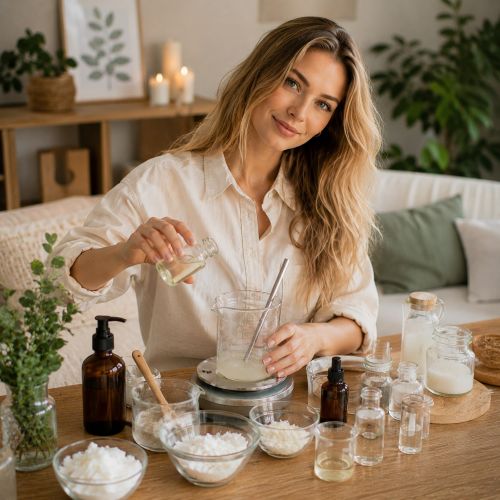 Traditional body washes often rely on harsh sulfates that strip the skin of its natural protective barrier. A shower gel formulated with mild surfactants and prebiotics offers a professional alternative for modern skin care needs. Mild surfactants effectively remove impurities without damaging the lipid layer while prebiotics create an environment where beneficial microflora can thrive. This dual action approach cleanses the body while strengthening local skin immunity and preventing dryness and irritation.
This article explores the advantages of physiological cleansing and provides professional guidance on working with sulfate free bases alongside three detailed recipes for home preparation.
Beneficial Properties of Mild Surfactants and Prebiotics for the Epidermis
Mild surfactants such as coco glucoside sodium cocoamphoacetate or glutamates are derived from renewable plant materials like coconut oil and sugars. Unlike harsh anionic surfactants these ingredients consist of large molecules that do not penetrate the deep layers of the skin or cause protein denaturation. This ensures an extremely delicate cleansing process suitable for sensitive skin or those prone to atopic dermatitis.
Prebiotics in a shower gel act as a specialized food source for the beneficial bacteria living on the skin surface. They help maintain the optimal balance of the microbiome which protects against pathogenic microorganisms and inflammation. Using prebiotics aids in the rapid restoration of the skin pH balance after contact with tap water making the skin feel more elastic and healthy.
Advantages of Handcrafted Sulfate Free Gel Over Industrial Analogs
The primary issue with mass market shower gels is excessive foaming achieved through cheap sulfuric acid salts. While this foam feels effective it washes away the skin own lipids leading to a tight and dry sensation. A handcrafted gel with mild surfactants provides a creamy fine texture that gently envelopes the body and rinses away easily without leaving a synthetic film.
Creating your own product allows you to include prebiotics at a therapeutic dosage that truly impacts the condition of the epidermis. You also have the freedom to exclude synthetic thickeners and fragrances replacing them with natural gums and essential oils. This makes the product environmentally friendly and safe for daily long term use by the entire family.
Technical Nuances and Secrets of Preparing Sulfate Free Systems
Working with mild surfactants requires specific techniques because they are often difficult to thicken. Sulfate free bases do not react to common salt for thickening so natural polysaccharides like xanthan or guar gum must be used to create a familiar gel texture. Gums should first be mixed with glycerin to prevent lumps before being introduced into the water phase.
Prebiotics are typically added to the finished cooled mixture to preserve their biological activity. It is also vital to monitor the pH level of the product. For a prebiotic gel the ideal range is between five point zero and five point five. This slightly acidic environment is natural for the skin and facilitates the function of prebiotic complexes. Adjustments are made using lactic acid during the final stage of preparation.
Recipe One Moisturizing Gel for Dry and Sensitive Skin
This base formula provides gentle cleansing and deep hydration for daily use.
Composition Sixty milliliters distilled water Fifteen milliliters coco glucoside Ten milliliters sodium cocoamphoacetate Five milliliters prebiotic complex such as inulin Five milliliters vegetable glycerin One gram xanthan gum Eco friendly preservative
Preparation Step one Disinfect all utensils and mixing tools with alcohol. Step two In a small container mix the glycerin with the xanthan gum until it forms a smooth paste. Step three Pour the water into the glycerin and gum mixture stirring constantly until a clear gel forms. Step four Very slowly introduce the surfactants trying not to create excess foam and stir with gentle movements. Step five Add the inulin prebiotic complex and stir thoroughly until dissolved. Step six Add the preservative and check the pH level using test strips. Step seven Transfer the finished gel to a bottle and let it sit for a few hours to allow air bubbles to escape.
Recipe Two Restorative Gel for the Whole Family
A universal product that supports skin immunity and is suitable for frequent use.
Composition Fifty milliliters linden hydrosol Twenty milliliters decyl glucoside Ten milliliters lauryl glucoside Five milliliters Biolin prebiotic Three milliliters D panthenol Two grams guar gum Preservative
Preparation Step one Prepare a sterile workspace for handling the ingredients. Step two Mix the guar gum with a small portion of the hydrosol until thickened. Step three Combine the resulting gel with the remaining hydrosol and the D panthenol. Step four Add the mixture of mild surfactants noting that lauryl glucoside may require slight warming to become liquid. Step five Introduce the Biolin prebiotic once the mixture has reached room temperature. Step six Add the preservative system and a few drops of lactic acid to balance the pH. Step seven Allow the product to stabilize for twenty four hours in a dark place.
Recipe Three Soothing Gel Fluid with Prebiotic and Aloe
A lightweight formula for irritated skin requiring immediate relief and freshness.
Composition Forty milliliters purified water Thirty milliliters aloe vera juice Fifteen milliliters cocamidopropyl betaine Five milliliters inulin prebiotic Three milliliters water soluble babassu oil One point five grams xanthan gum Melissa essential oil Preservative
Preparation Step one Check the cleanliness of all inventory before starting. Step two Create a gel base by mixing the water aloe juice and xanthan gum. Step three Introduce the cocamidopropyl betaine slowly stirring with a spatula to avoid foam. Step four Add the water soluble babassu oil to soften the effect of the cleansing base. Step five Add the inulin prebiotic and melissa essential oil for fragrance and antiseptic effects. Step six Introduce the preservative according to the manufacturer instructions. Step seven Pour the gel into convenient dispenser bottles.
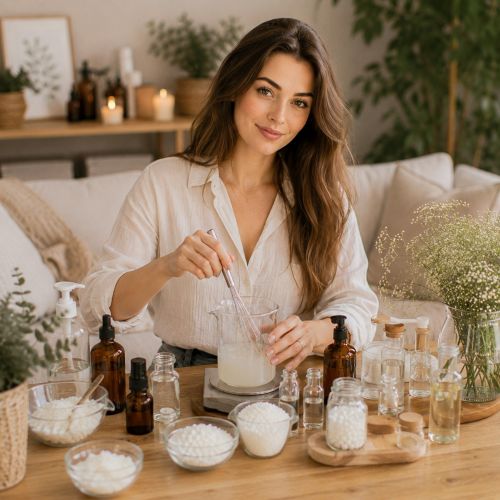
Detailed Recommendations for Application and Washing Techniques
A shower gel with mild surfactants requires a different approach than sulfate based products. Since it produces less foam do not try to increase the amount used in one wash. Apply a small amount of gel to a wet washcloth or directly to your hands and distribute it over the body with massaging movements. Mild surfactants effectively bind impurities even without large amounts of foam.
Leave the product on the skin for one or two minutes. This allows the prebiotics and active ingredients like panthenol or aloe vera to begin their work. Rinse the gel off with water at a comfortable temperature. You will notice that the skin remains soft after washing and does not require the immediate application of lotion.
Storage Guidelines and Maintaining the Stability of Natural Gel
Natural gels based on mild surfactants and prebiotics should be stored in a cool dark place. Avoid direct sunlight on the bottle as it may cause color changes or prebiotic precipitation. It is best to use opaque packaging with a high quality dispenser to minimize contact with oxygen and shower water.
The shelf life of a handcrafted gel with an eco friendly preservative is usually between three and six months. If you notice a change in smell the appearance of flakes or a thinning of the texture it may indicate ingredient spoilage. Always close the dispenser tightly after use. Following cleanliness during preparation and proper storage conditions will ensure high quality and safe skin care every day.


Cosmetic ingredients and professional formulation blog
This section features expert materials on modern cosmetic actives. We cover peptides, polynucleotides PDRN, different forms of hyaluronic acid, retinoids, ceramides and other key components.
Special focus is given to active stability, ingredient compatibility and correct incorporation into formulas. You will find practical guides on working with anti-age actives, moisturizing complexes and barrier repair ingredients.
We examine how to properly combine myorelaxants with peptides, common mistakes when using unstable vitamin C forms and ways to improve the performance of moisturizing actives.
Separate materials are dedicated to base oils, extracts, emulsifiers and supporting ingredients. This helps create stable and effective formulas for both professional and home cosmetics.
The blog regularly publishes reviews of trending actives, comparisons of similar ingredients and step-by-step formulation recommendations. The content is aimed at formulators, technologists and anyone seriously involved in creating cosmetic products.
Why this blog is useful
Here you will find practical data on eye area care actives, lifting systems and ingredients that improve skin firmness and tone. We rely on real formulation experience and address the actual challenges that arise during product development.
You can also explore materials on skin protection and repair, depigmentation and anti-inflammatory actives. This approach supports a more systematic selection of ingredients.
FAQ
What topics are covered most often
The blog focuses on peptides, PDRN, hyaluronic acid of different molecular weights, retinoids, ceramides and their compatibility rules.
Are there practical recommendations on how to incorporate actives
Yes, most articles include practical notes on pH stability, incorporation temperature and common formulation mistakes.
Is the content only for professionals
The materials are useful both for formulators and technologists and for those who create cosmetics for personal use and want to understand how modern ingredients work.
Where can I go directly to the ingredients
All key actives are collected in the Actives section, while base components are available in base oils and related categories.