-
 DIY: Video master classes
-
 Aromatherapy
-
 Felting master classes
-
 Eating at home
-
 DIY cosmetics for children
-
 Cooking recipes
-
 Detergents, cleaning products with your own hands
-
 Soap making as a business
-
 Natural cosmetics. Raw materials for cosmetics and soap.
-
 Natural oils in cosmetics
-
 News
-
 Recipes for balms and conditioners
-
 Bath Bomb Recipes
-
 Cream recipes. Cream making.
-
 Lotion recipes. Gel recipes.
-
 Mask recipes
-
 Soap recipes. Base soap. Soap from scratch.
-
 Recipes for all occasions
-
 Natural shampoo recipes
-
 Healthy Nutrition Recipes
-
 Scrub recipes. Massage tiles. Ubtan
-
 DIY candles
-
 Reference materials, questions, tips
-
 Startup - soap production
-
 Hair care. Tips, recipes
-
 Facial skin care. Cleansers.
-
 Body care. Tips, recipes
-
 Photo Reviews
-
 Chocolate Handmade


Where to get high-quality raw materials for cosmetics with wholesale prices and certificates
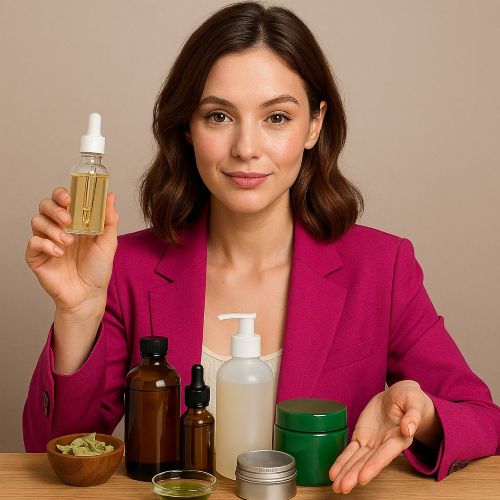 For any cosmetic formulator, whether a hobbyist or a small business owner, the quality of your raw materials is the single most important factor determining the safety and effectiveness of your final product. The difference between a professional-grade formula and a failed experiment often comes down to the purity and potency of its ingredients. Finding reliable suppliers who offer high-quality raw materials with wholesale prices and certificates can be a daunting task. This article provides a comprehensive guide to navigating the world of cosmetic ingredient sourcing, explaining what to look for, where to find it, and why every detail matters. We'll also provide three recipes that highlight how sourcing premium ingredients can elevate your products.
The Importance of Quality and Certification
Why does sourcing matter so much? The effectiveness of an active ingredient, the stability of an emulsion, and the safety of a product all depend on the raw materials used.
-
Efficacy and Purity: High-quality ingredients are more potent and predictable. A peptide from a reputable supplier will be pure and stable, delivering its intended benefits. A botanical extract from an uncertified source, however, might contain contaminants or be of a lower concentration, rendering it ineffective.
-
Safety: Certificates of Analysis (COA) and Safety Data Sheets (SDS) are non-negotiable. A COA confirms the ingredient's purity, batch number, and key characteristics. An SDS provides crucial information on how to handle the ingredient safely. Without these documents, you are taking a significant risk.
-
Consistency: When scaling up your production, consistency is key. A reliable supplier ensures that every batch of an ingredient has the same quality and characteristics, which is vital for maintaining a stable and consistent product line.
Where to Find Reputable Suppliers
Finding a good supplier is a process of research and due diligence. You can categorize suppliers into a few main groups.
-
Local and Regional Suppliers: This is often the best starting point for hobbyists. These companies typically offer a wide range of ingredients in smaller quantities. They are great for experimenting with new formulas and minimizing your initial investment. Look for suppliers that are transparent about their sourcing and provide documentation upon request.
-
National and International Distributors: As your brand grows, you'll need to source ingredients in larger, wholesale quantities. Companies like Making Cosmetics, Formulator Sample Shop, and The Herbarie offer a vast selection, detailed product descriptions, and the necessary certificates. They are a reliable source for high-volume purchases.
-
Direct from Manufacturers: For very large-scale production, you can go directly to the ingredient manufacturers. This requires a significant financial commitment but gives you access to the best prices and the most detailed technical support.
Key Questions to Ask Suppliers:
-
Do you provide Certificates of Analysis (COA) for your ingredients?
-
What are your minimum order quantities (MOQ)?
-
Do you offer wholesale or bulk pricing?
-
What are your shipping and return policies?
Three Recipes with Sourcing Recommendations
These recipes demonstrate how using high-quality, certified ingredients can make a difference in your final product.
Recipe 1: Professional-Grade Anti-Aging Serum
This serum highlights the importance of sourcing certified actives like peptides and Vitamin C derivatives.
-
Prepare the water phase. In a sterilized beaker, weigh 85g of distilled water.
-
Hydrate the gelling agent. Slowly sprinkle 0.5g of Xanthan Gum over the water and stir until a smooth gel forms. Let it sit for 30 minutes to an hour.
-
Add premium actives. Once the gel is formed, add 2g of Matrixyl 3000 peptide solution (from a certified supplier) and 5g of Sodium Ascorbyl Phosphate (a stable Vitamin C derivative). Stir gently to dissolve.
-
Add a quality humectant. Add 5g of vegetable glycerin (a pure, food-grade source).
-
Add preservative and adjust pH. Add 1g of a broad-spectrum preservative like Euxyl PE 9010. Check the pH and adjust to between 5.0 and 6.0 with a few drops of lactic acid.
Sourcing Recommendations: Look for peptide solutions from well-known cosmetic ingredient suppliers. Verify their COA to ensure the peptide concentration is accurate.
Recipe 2: Hydrating Emulsified Body Butter
This body butter demonstrates how sourcing premium butters and oils impacts the feel and efficacy of a product.
-
Prepare the oil phase. In a heat-safe beaker, weigh 40g of certified organic shea butter and 15g of cocoa butter. Add 5g of a reliable emulsifier like Emulsifying Wax NF. Gently melt in a double boiler.
-
Prepare the water phase. In a separate beaker, weigh 35g of distilled water and 5g of vegetable glycerin. Heat to 70°C.
-
Emulsify. Once the oil phase is melted, remove it from the heat. Pour the hot water phase into the oil phase while mixing with a hand blender in short pulses until a thick, smooth emulsion forms.
-
Add a precious oil. When the mixture has cooled below 40°C, add 5g of cold-pressed rosehip seed oil. This sensitive oil should not be heated.
-
Preserve and pour. Add 1g of a broad-spectrum preservative. Stir well and transfer the body butter to a jar.
Sourcing Recommendations: Choose butters and oils from suppliers that specify their extraction method (e.g., cold-pressed) and provide COA to confirm purity.
Recipe 3: Soothing and Protective Lip Balm
This simple balm showcases how even basic ingredients like waxes and butters benefit from certified quality.
-
Prepare the wax and butter phase. In a heat-safe beaker, weigh 10g of cosmetic-grade beeswax pellets and 15g of cocoa butter. Gently melt them in a double boiler.
-
Add oils. Once melted, remove from heat and add 15g of sweet almond oil and 5g of avocado oil. Stir to combine.
-
Add a quality active. When the mixture is still liquid but has cooled slightly, add 1g of high-quality Vitamin E (Tocopherol). This acts as both an antioxidant for your product and a skin-soothing active.
-
Add flavor and pour. Add 5-10 drops of a cosmetic-grade flavor oil. Pour the liquid balm into clean lip balm tubes or pots.
Sourcing Recommendations: Choose beeswax and butters that are filtered and certified for cosmetic use. Avoid using wax from unknown sources, which may contain impurities.
Advantages of a DIY Brand with a Focus on Quality Sourcing

Building a brand with a focus on sourcing high-quality, certified ingredients provides significant advantages over industrial, mass-market products.
-
Superior Efficacy: Your products will genuinely work as advertised because the actives are pure and potent. You can confidently claim that your products contain what they say they do.
-
Safety and Reliability: By using ingredients with documented purity and safety, you minimize the risk of skin reactions and ensure your products are safe for your customers.
-
Ingredient Transparency: You can provide your customers with a clear, honest ingredient list and explain where you source your materials, building trust and a loyal customer base.
-
Cost-Effectiveness at Scale: While quality ingredients may seem more expensive initially, buying them in bulk from wholesale suppliers significantly reduces the cost per unit, allowing you to maintain profitability while offering a premium product.
By dedicating time and effort to sourcing, you lay the foundation for a brand that is built on integrity, quality, and efficacy. This is the ultimate advantage in a competitive market.


Cosmetic ingredients and professional formulation blog
This section features expert materials on modern cosmetic actives. We cover peptides, polynucleotides PDRN, different forms of hyaluronic acid, retinoids, ceramides and other key components.
Special focus is given to active stability, ingredient compatibility and correct incorporation into formulas. You will find practical guides on working with anti-age actives, moisturizing complexes and barrier repair ingredients.
We examine how to properly combine myorelaxants with peptides, common mistakes when using unstable vitamin C forms and ways to improve the performance of moisturizing actives.
Separate materials are dedicated to base oils, extracts, emulsifiers and supporting ingredients. This helps create stable and effective formulas for both professional and home cosmetics.
The blog regularly publishes reviews of trending actives, comparisons of similar ingredients and step-by-step formulation recommendations. The content is aimed at formulators, technologists and anyone seriously involved in creating cosmetic products.
Why this blog is useful
Here you will find practical data on eye area care actives, lifting systems and ingredients that improve skin firmness and tone. We rely on real formulation experience and address the actual challenges that arise during product development.
You can also explore materials on skin protection and repair, depigmentation and anti-inflammatory actives. This approach supports a more systematic selection of ingredients.
FAQ
What topics are covered most often
The blog focuses on peptides, PDRN, hyaluronic acid of different molecular weights, retinoids, ceramides and their compatibility rules.
Are there practical recommendations on how to incorporate actives
Yes, most articles include practical notes on pH stability, incorporation temperature and common formulation mistakes.
Is the content only for professionals
The materials are useful both for formulators and technologists and for those who create cosmetics for personal use and want to understand how modern ingredients work.
Where can I go directly to the ingredients
All key actives are collected in the Actives section, while base components are available in base oils and related categories.



