-
 DIY: Video master classes
-
 Aromatherapy
-
 Felting master classes
-
 Eating at home
-
 DIY cosmetics for children
-
 Cooking recipes
-
 Detergents, cleaning products with your own hands
-
 Soap making as a business
-
 Natural cosmetics. Raw materials for cosmetics and soap.
-
 Natural oils in cosmetics
-
 News
-
 Recipes for balms and conditioners
-
 Bath Bomb Recipes
-
 Cream recipes. Cream making.
-
 Lotion recipes. Gel recipes.
-
 Mask recipes
-
 Soap recipes. Base soap. Soap from scratch.
-
 Recipes for all occasions
-
 Natural shampoo recipes
-
 Healthy Nutrition Recipes
-
 Scrub recipes. Massage tiles. Ubtan
-
 DIY candles
-
 Reference materials, questions, tips
-
 Startup - soap production
-
 Hair care. Tips, recipes
-
 Facial skin care. Cleansers.
-
 Body care. Tips, recipes
-
 Photo Reviews
-
 Chocolate Handmade


Formula of serum with vitamin C ferulic acid and niacinamide
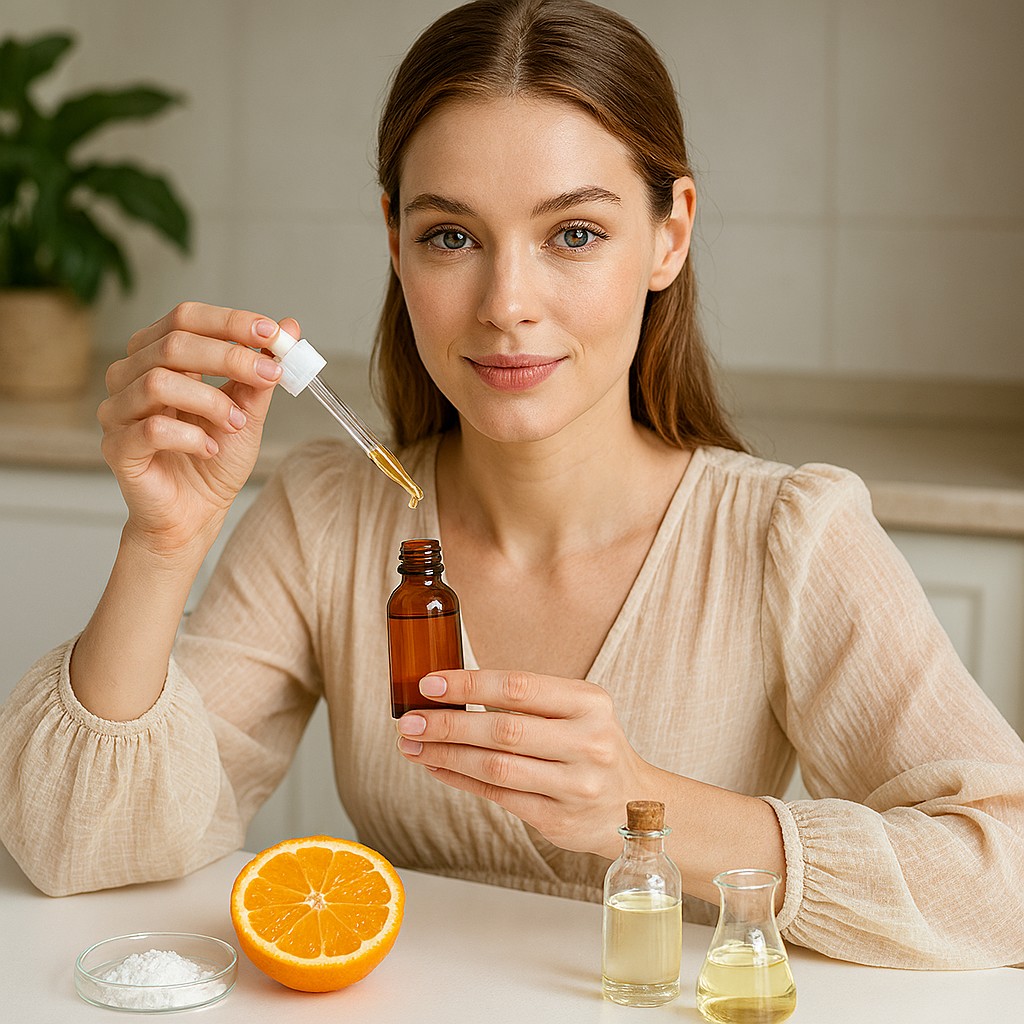 In the ever-evolving world of skincare, certain ingredient combinations have achieved legendary status for their proven efficacy. A serum featuring Vitamin C, Ferulic Acid, and Niacinamide is one such powerhouse formula. This blend is revered by dermatologists and skincare enthusiasts alike for its ability to brighten the complexion, fight free radicals, reduce hyperpigmentation, and improve skin barrier function. While many commercial brands offer similar products at a premium price, creating your own allows for complete control over ingredient quality, concentration, and freshness. This article will guide you through the science behind this potent trio, detail the nuances of preparation, and provide three unique recipes to help you formulate a serum that outperforms industrial alternatives.
Understanding the Power Trio: Vitamin C, Ferulic Acid, and Niacinamide
Each of these active ingredients brings unique benefits to a serum, but together, they create a synergistic effect that is far more powerful than any single ingredient on its own.
Vitamin C (L-Ascorbic Acid)
Vitamin C is a powerhouse antioxidant that is essential for skin health. It helps protect the skin from damage caused by UV rays and pollution. Its key benefits include:
-
Brightening: It inhibits the enzyme tyrosinase, which is responsible for melanin production, thus fading dark spots and evening out skin tone.
-
Collagen Synthesis: It is a crucial cofactor in the synthesis of collagen, which improves skin firmness and reduces the appearance of fine lines.
-
Antioxidant Protection: It neutralizes free radicals, preventing oxidative stress and premature aging.
Ferulic Acid
Ferulic Acid is a plant-based antioxidant found in the cell walls of plants like oats, brown rice, and oranges. Its primary role in this formula is to stabilize Vitamin C.
-
Stabilization: Vitamin C is notoriously unstable and can oxidize rapidly when exposed to light and air. Ferulic Acid significantly enhances the stability of Vitamin C, helping it remain effective for longer.
-
Potentiation: Ferulic Acid boosts the photoprotective properties of Vitamin C, offering enhanced defense against environmental damage.
Niacinamide (Vitamin B3)
Niacinamide is a versatile and gentle ingredient that complements the other two actives beautifully.
-
Strengthening the Skin Barrier: It helps improve the skin's natural lipid barrier, which is essential for retaining moisture and protecting against environmental aggressors.
-
Reducing Redness and Inflammation: It has anti-inflammatory properties that can soothe irritated skin and reduce redness associated with conditions like rosacea.
-
Pore Minimization: It helps regulate oil production, which can lead to a reduction in the appearance of enlarged pores.
The combination of these three ingredients creates a comprehensive defense system for the skin, addressing multiple concerns from aging and hyperpigmentation to inflammation and barrier function.
Nuances of Preparation: Mastering the Formulation
Creating a stable and effective serum with these ingredients requires precision and attention to detail.
-
Choosing the Right Form of Vitamin C: L-Ascorbic Acid is the most potent and studied form of Vitamin C, but it's also the most unstable. For homemade serums, it is crucial to use a high-quality, fine powder form and prepare it in small, fresh batches.
-
pH Balance: The efficacy and stability of the serum are highly dependent on its pH level. L-Ascorbic Acid is most effective at a pH of 3.5 or lower, which can be challenging to achieve without causing irritation. For a more balanced approach, a pH between 3.5 and 4.0 is ideal.
-
Antioxidant Protection: The addition of Ferulic Acid and Vitamin E (often used as a preservative) is critical for preventing the oxidation of Vitamin C.
-
Packaging: The serum must be stored in an air-tight, opaque container to protect it from light and oxygen. A dark amber or cobalt blue bottle with a pump or dropper is the best choice.
-
Solubility: L-Ascorbic Acid is water-soluble, while Ferulic Acid is not. You may need to use a small amount of a solvent like propanediol to dissolve the Ferulic Acid before incorporating it into the water phase.
Three Detailed Recipes for a Vitamin C Serum
These recipes are designed to be prepared in small batches to ensure maximum freshness and efficacy. Each recipe is for a 30ml serum.
Recipe 1: The Classic C, E, Ferulic Serum
This recipe is a powerful antioxidant formula that provides excellent protection and brightening benefits.
-
Prepare the water phase. In a sterilized beaker, combine 24g of distilled water.
-
Dissolve the Ferulic Acid. Add 0.5g of Ferulic Acid powder to the water. It may not fully dissolve at this stage. Add 1g of propanediol to act as a solvent and stir until the Ferulic Acid is fully dissolved.
-
Add Vitamin C. In a separate small bowl, measure 5g of L-Ascorbic Acid powder. Slowly add the Vitamin C to the water phase, stirring gently but thoroughly until it is completely dissolved.
-
Add the remaining actives. Add 0.5g of Niacinamide powder and 0.5g of Vitamin E oil (tocopherol). Stir until fully integrated.
-
Finalize and preserve. Add 0.5g of a broad-spectrum preservative like Geogard 221. Check the pH and adjust if needed with a few drops of a pH adjuster. Transfer the serum to an air-tight, opaque bottle.
Recommendations for Use: Apply 3-4 drops to a clean face in the morning. Follow with a moisturizer and sunscreen.
Storage: Store in a dark, cool place. The shelf life is approximately 3-4 weeks.
Recipe 2: Gentle and Soothing Vitamin C & Niacinamide Serum
This formula is ideal for sensitive skin, using a lower concentration of Vitamin C and focusing on the soothing benefits of Niacinamide.
-
Prepare the water phase. In a sterilized beaker, combine 25g of distilled water and 2g of vegetable glycerin.
-
Dissolve the actives. In a separate small bowl, measure 3g of L-Ascorbic Acid powder. Slowly add the Vitamin C to the water phase, stirring until dissolved. Add 1g of Niacinamide and continue stirring.
-
Add the soothing agent. Add 1g of panthenol (Vitamin B5) for extra soothing and hydration.
-
Finalize and preserve. Add 1g of a broad-spectrum preservative like Euxyl PE 9010. Check the pH and adjust to between 5.5 and 6.5, which is more gentle on the skin. Transfer the serum to a dark bottle.
Recommendations for Use: Apply 3-4 drops to a clean face in the morning or evening.
Storage: Store in a cool, dark place. The shelf life is approximately 4-6 weeks.
Recipe 3: Hydrating Vitamin C and Ferulic Serum with Hyaluronic Acid
This serum provides powerful antioxidant protection while offering an intense boost of hydration.
-
Prepare the water phase. In a sterilized beaker, combine 20g of distilled water and 2g of propanediol.
-
Dissolve the Ferulic Acid. Add 0.5g of Ferulic Acid powder to the water phase, stirring until it is fully dissolved.
-
Create the gel. Slowly sprinkle 1g of low molecular weight hyaluronic acid powder into the mixture. Stir intermittently over several hours until a uniform gel forms.
-
Add Vitamin C. Once the gel is formed, add 5g of L-Ascorbic Acid powder and stir gently until it is completely dissolved.
-
Add Niacinamide and other actives. Add 1g of Niacinamide powder and 0.5g of Vitamin E oil. Stir until fully integrated.
-
Finalize and preserve. Add 0.5g of a broad-spectrum preservative like Geogard 221. Check the pH and adjust to between 3.5 and 4.0. Transfer the serum to a dark bottle.
Recommendations for Use: Apply 3-4 drops to a clean face in the morning. The serum will feel hydrating and slightly tacky, which is normal.
Storage: Store in the refrigerator to maximize shelf life, which is approximately 3-4 weeks.
Advantages of a Homemade Serum over Industrial Counterparts
Creating your own serum offers distinct advantages that commercial products often can't match.
-
Unmatched Freshness: The key to an effective Vitamin C serum is freshness. Homemade serums can be made in small batches, ensuring the actives are at their peak potency. Commercial serums often sit on a shelf for months.
-
Customization: You can adjust the concentration of each active ingredient to suit your skin's specific needs and sensitivity, which is impossible with mass-produced products.
-
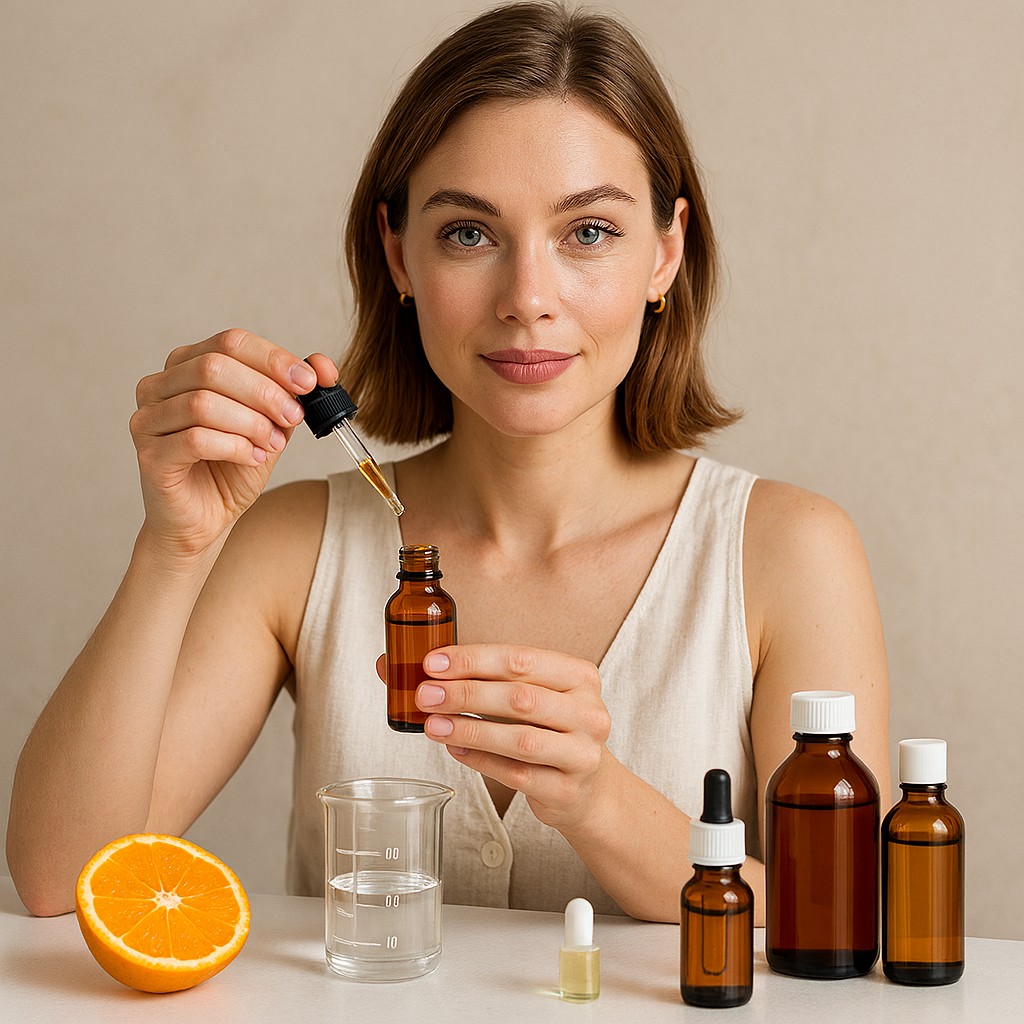 Ingredient Transparency: You know exactly what goes into your serum, free from unnecessary fillers, synthetic fragrances, or harsh preservatives often found in commercial brands.
-
Cost-Effectiveness: While the initial cost of ingredients may seem high, the cost per ounce of a homemade serum is significantly lower than that of a high-end commercial product.
-
Superior Potency: By controlling the pH and using a stable form of Vitamin C, you can ensure your serum is more potent and effective than many store-bought options that may have already oxidized.
By mastering the art of creating your own Vitamin C, Ferulic Acid, and Niacinamide serum, you not only save money but also empower yourself with the ability to formulate skincare that is perfectly tailored to your needs, guaranteeing freshness and a level of efficacy that mass-market products simply cannot provide.


Cosmetic ingredients and professional formulation blog
This section features expert materials on modern cosmetic actives. We cover peptides, polynucleotides PDRN, different forms of hyaluronic acid, retinoids, ceramides and other key components.
Special focus is given to active stability, ingredient compatibility and correct incorporation into formulas. You will find practical guides on working with anti-age actives, moisturizing complexes and barrier repair ingredients.
We examine how to properly combine myorelaxants with peptides, common mistakes when using unstable vitamin C forms and ways to improve the performance of moisturizing actives.
Separate materials are dedicated to base oils, extracts, emulsifiers and supporting ingredients. This helps create stable and effective formulas for both professional and home cosmetics.
The blog regularly publishes reviews of trending actives, comparisons of similar ingredients and step-by-step formulation recommendations. The content is aimed at formulators, technologists and anyone seriously involved in creating cosmetic products.
Why this blog is useful
Here you will find practical data on eye area care actives, lifting systems and ingredients that improve skin firmness and tone. We rely on real formulation experience and address the actual challenges that arise during product development.
You can also explore materials on skin protection and repair, depigmentation and anti-inflammatory actives. This approach supports a more systematic selection of ingredients.
FAQ
What topics are covered most often
The blog focuses on peptides, PDRN, hyaluronic acid of different molecular weights, retinoids, ceramides and their compatibility rules.
Are there practical recommendations on how to incorporate actives
Yes, most articles include practical notes on pH stability, incorporation temperature and common formulation mistakes.
Is the content only for professionals
The materials are useful both for formulators and technologists and for those who create cosmetics for personal use and want to understand how modern ingredients work.
Where can I go directly to the ingredients
All key actives are collected in the Actives section, while base components are available in base oils and related categories.



