-
 DIY: Video master classes
-
 Aromatherapy
-
 Felting master classes
-
 Eating at home
-
 DIY cosmetics for children
-
 Cooking recipes
-
 Detergents, cleaning products with your own hands
-
 Soap making as a business
-
 Natural cosmetics. Raw materials for cosmetics and soap.
-
 Natural oils in cosmetics
-
 News
-
 Recipes for balms and conditioners
-
 Bath Bomb Recipes
-
 Cream recipes. Cream making.
-
 Lotion recipes. Gel recipes.
-
 Mask recipes
-
 Soap recipes. Base soap. Soap from scratch.
-
 Recipes for all occasions
-
 Natural shampoo recipes
-
 Healthy Nutrition Recipes
-
 Scrub recipes. Massage tiles. Ubtan
-
 DIY candles
-
 Reference materials, questions, tips
-
 Startup - soap production
-
 Hair care. Tips, recipes
-
 Facial skin care. Cleansers.
-
 Body care. Tips, recipes
-
 Photo Reviews
-
 Chocolate Handmade


Enzyme powders and enzyme masks: what is the difference?
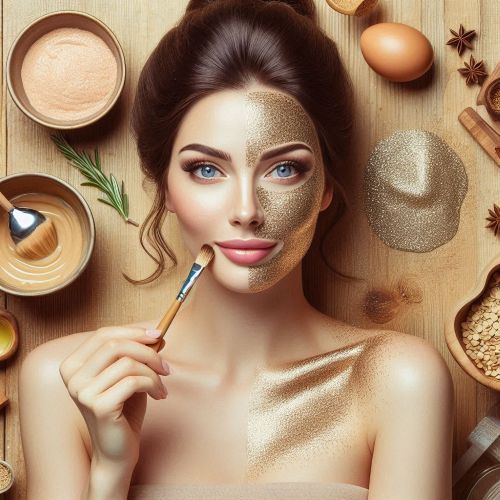 Enzymatic exfoliation has become a popular skincare method, offering a gentler alternative to traditional scrubs. But with terms like "enzyme powders" and "enzyme masks" often used interchangeably, it can be confusing to understand the differences and choose the right product for your skin. This article will delve into the distinctions between these two forms of enzymatic exfoliants, their benefits, and how to use them effectively.
What are Enzyme Exfoliants?
Enzyme exfoliants utilize plant-based enzymes, such as papain (from papaya), bromelain (from pineapple), and pumpkin enzymes, to gently dissolve the bonds between dead skin cells. This process, known as keratolysis, promotes cell turnover, revealing smoother, brighter, and more radiant skin.
Enzyme Powders: A Customizable Approach
Enzyme powders offer a level of customization that pre-made masks often lack. They typically consist of a blend of finely ground botanicals, often including:
- Enzymatic ingredients: Papaya, pineapple, pumpkin, rice bran.
- Absorbent powders: Clay (kaolin, bentonite), rice flour, oat flour.
- Botanical extracts: Green tea, chamomile, aloe vera.
Benefits of Enzyme Powders:
- Customization: You can adjust the strength and consistency by adding more or less water or mixing with other ingredients like yogurt, honey, or aloe vera.
- Affordability: Enzyme powders are often more cost-effective than pre-made masks, allowing you to create multiple masks with a single purchase.
- Freshness: You can mix the powder immediately before use, ensuring maximum freshness and potency.
- Reduced Waste: You can control the amount you use, minimizing waste.
Recipe 1: Classic Papaya Enzyme Powder
- Ingredients:
- 1/4 cup dried papaya powder
- 2 tablespoons kaolin clay
- 1 tablespoon rice flour
- 1 teaspoon dried chamomile flowers
Instructions:
- Combine all ingredients in a small bowl.
- Mix thoroughly.
- Store in an airtight container in a cool, dry place.
To Use:
- Mix 1-2 teaspoons of powder with enough water to form a smooth paste.
- Apply evenly to clean, dry skin, avoiding the eye area.
- Leave on for 5-10 minutes, or as directed on the packaging of individual ingredients.
- Rinse thoroughly with lukewarm water.
Enzyme Masks: Convenience and Pre-Formulated Solutions
Enzyme masks are pre-mixed formulas that typically contain a blend of enzymes, hydrating agents, and other beneficial ingredients. They come in various forms, such as creams, gels, and sheet masks.
Benefits of Enzyme Masks:
- Convenience: Ready-to-use, eliminating the need for mixing.
- Formulated Solutions: Often contain a balanced blend of ingredients for specific skin concerns, such as brightening, hydrating, or soothing.
- Easy Application: Many come in convenient forms like sheet masks for easy application.
Recipe 2: DIY Pineapple Enzyme Mask
- Ingredients:
- 2 tablespoons mashed fresh pineapple
- 1 tablespoon plain yogurt
- 1 teaspoon honey
Instructions:
- Combine all ingredients in a small bowl.
- Apply a thin layer to clean, dry skin, avoiding the eye area.
- Leave on for 10-15 minutes.
- Rinse thoroughly with lukewarm water.
Recipe 3: Pumpkin Enzyme Mask
- Ingredients:
- 1/4 cup cooked and mashed pumpkin
- 1 tablespoon plain yogurt
- 1 teaspoon honey
Instructions:
- Combine all ingredients in a small bowl.
- Apply a thin layer to clean, dry skin, avoiding the eye area.
- Leave on for 10-15 minutes.
- Rinse thoroughly with lukewarm water.
Recommendations for Use
- Patch Test: Before using any new enzyme exfoliant, always perform a patch test on a small area of skin to check for any irritation.
- Frequency: Start with using enzyme exfoliants once or twice a week and gradually increase frequency as needed.
- Avoid Over-Exfoliation: Over-exfoliation can irritate the skin. Listen to your skin and adjust the frequency accordingly.
- Sun Protection: After using an enzyme exfoliant, always apply sunscreen with an SPF of 30 or higher, as exfoliation can increase skin's sensitivity to the sun.
- Storage: Store enzyme powders in a cool, dry, and dark place. Store homemade masks in the refrigerator and use within 24 hours.
Choosing the Right Option
Ultimately, the best choice between enzyme powders and masks depends on your individual preferences and needs.
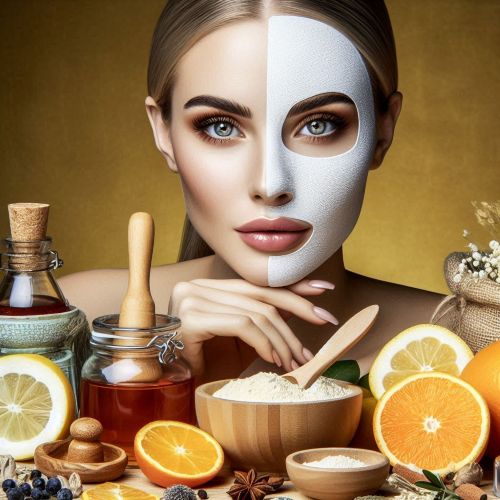
- Choose enzyme powders if: You prefer customization, enjoy DIY projects, and want to control the strength and ingredients.
- Choose enzyme masks if: You prefer convenience, appreciate pre-formulated solutions, or are looking for specific benefits like hydration or brightening.
By understanding the differences between these two forms of enzymatic exfoliation, you can make informed choices and incorporate this gentle and effective method into your skincare routine.
Disclaimer: This information is provided for general knowledge and informational purposes only and does not constitute medical advice. Always consult with a qualified dermatologist or healthcare professional before using any new skincare product, especially if you have any pre-existing skin conditions.
Worldwide Shipping Available.


Cosmetic ingredients and professional formulation blog
This section features expert materials on modern cosmetic actives. We cover peptides, polynucleotides PDRN, different forms of hyaluronic acid, retinoids, ceramides and other key components.
Special focus is given to active stability, ingredient compatibility and correct incorporation into formulas. You will find practical guides on working with anti-age actives, moisturizing complexes and barrier repair ingredients.
We examine how to properly combine myorelaxants with peptides, common mistakes when using unstable vitamin C forms and ways to improve the performance of moisturizing actives.
Separate materials are dedicated to base oils, extracts, emulsifiers and supporting ingredients. This helps create stable and effective formulas for both professional and home cosmetics.
The blog regularly publishes reviews of trending actives, comparisons of similar ingredients and step-by-step formulation recommendations. The content is aimed at formulators, technologists and anyone seriously involved in creating cosmetic products.
Why this blog is useful
Here you will find practical data on eye area care actives, lifting systems and ingredients that improve skin firmness and tone. We rely on real formulation experience and address the actual challenges that arise during product development.
You can also explore materials on skin protection and repair, depigmentation and anti-inflammatory actives. This approach supports a more systematic selection of ingredients.
FAQ
What topics are covered most often
The blog focuses on peptides, PDRN, hyaluronic acid of different molecular weights, retinoids, ceramides and their compatibility rules.
Are there practical recommendations on how to incorporate actives
Yes, most articles include practical notes on pH stability, incorporation temperature and common formulation mistakes.
Is the content only for professionals
The materials are useful both for formulators and technologists and for those who create cosmetics for personal use and want to understand how modern ingredients work.
Where can I go directly to the ingredients
All key actives are collected in the Actives section, while base components are available in base oils and related categories.



