-
 DIY: Video master classes
-
 Aromatherapy
-
 Felting master classes
-
 Eating at home
-
 DIY cosmetics for children
-
 Cooking recipes
-
 Detergents, cleaning products with your own hands
-
 Soap making as a business
-
 Natural cosmetics. Raw materials for cosmetics and soap.
-
 Natural oils in cosmetics
-
 News
-
 Recipes for balms and conditioners
-
 Bath Bomb Recipes
-
 Cream recipes. Cream making.
-
 Lotion recipes. Gel recipes.
-
 Mask recipes
-
 Soap recipes. Base soap. Soap from scratch.
-
 Recipes for all occasions
-
 Natural shampoo recipes
-
 Healthy Nutrition Recipes
-
 Scrub recipes. Massage tiles. Ubtan
-
 DIY candles
-
 Reference materials, questions, tips
-
 Startup - soap production
-
 Hair care. Tips, recipes
-
 Facial skin care. Cleansers.
-
 Body care. Tips, recipes
-
 Photo Reviews
-
 Chocolate Handmade


Delicate foam for washing - gentle cleansing and skin care
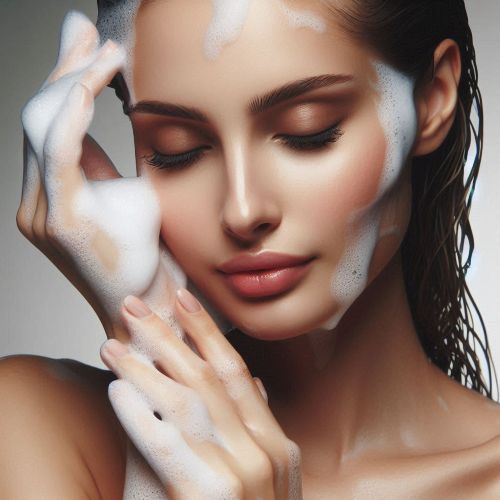 In the realm of skincare, the foundation of a healthy and radiant complexion lies in effective yet gentle cleansing. Harsh cleansers can strip the skin of its natural oils, leading to dryness, irritation, and even breakouts. This is where the delicate face wash foam steps in – a light and airy formulation designed to cleanse the skin thoroughly without compromising its delicate balance.
While the beauty market offers a plethora of foaming cleansers, many contain synthetic surfactants, fragrances, and preservatives that can be harsh on sensitive skin. Crafting your own delicate face wash foam at home allows for complete control over the ingredients, ensuring a personalized and nurturing cleansing experience. This article explores the advantages of homemade face wash foams, provides three unique and detailed recipes tailored to different skin types, and offers comprehensive recommendations for their use and storage.
The Appeal of Homemade Delicate Face Wash Foam
Opting for a DIY delicate face wash foam offers several compelling advantages over commercially produced alternatives:
- Tailored to Your Skin: You have the freedom to select ingredients that specifically cater to your skin type and concerns. Whether you have dry, oily, sensitive, or acne-prone skin, you can customize the recipe accordingly.
- Natural and Gentle Ingredients: Homemade foams often rely on milder, plant-derived surfactants and nourishing botanical extracts, minimizing the risk of irritation and dryness associated with harsh synthetic chemicals.
- Freshness and Purity: By making your cleanser in small batches, you ensure the freshness of the ingredients and avoid the need for strong preservatives used in mass-produced products.
- Cost-Effective: Creating your own face wash foam can be significantly more economical in the long run compared to purchasing high-end, natural cleansers.
- Transparency and Control: You know exactly what you are putting on your skin, eliminating any concerns about hidden or potentially harmful ingredients.
Key Considerations for Crafting Homemade Face Wash Foam
While making your own face wash foam is rewarding, it's essential to keep the following points in mind:
- Choose Gentle Surfactants: Opt for mild, plant-based surfactants like cocamidopropyl betaine, decyl glucoside, or coco glucoside. These provide effective cleansing without stripping the skin's natural moisture barrier.
- Hydrating and Soothing Additives: Incorporate hydrating ingredients like aloe vera gel, glycerin, or honey, and soothing extracts like chamomile or calendula to enhance the gentleness of the foam.
- Essential Oils with Caution: If using essential oils for fragrance or added benefits, ensure they are skin-safe and used in very low concentrations (typically 1-2 drops per batch) to avoid irritation. Always perform a patch test.
- Proper Preservation: Homemade cleansers without preservatives have a shorter shelf life. It's crucial to store them correctly and use them within a reasonable timeframe to prevent bacterial growth. Consider using a natural preservative if you plan to make larger batches.
- Foaming Dispenser is Key: To achieve the desired foamy texture, a foaming soap dispenser is essential. This type of dispenser mixes the liquid cleanser with air as it is dispensed.
- Patch Testing is Crucial: Before using any new homemade cleanser on your entire face, perform a patch test on a small, inconspicuous area of your skin (like the inside of your wrist) to check for any adverse reactions.
Recipe 1: Hydrating Rosewater & Chamomile Delicate Cleansing Foam (For Normal to Dry Skin)
Ingredients:
- 1/2 cup distilled water or rosewater
- 2 tablespoons liquid castile soap (unscented or lightly scented)
- 1 tablespoon aloe vera gel
- 1 teaspoon vegetable glycerin
- 5 drops chamomile essential oil (optional)
Instructions:
- In a clean bowl, gently combine the distilled water or rosewater, liquid castile soap, aloe vera gel, and vegetable glycerin.
- If using, add the chamomile essential oil and stir gently to combine.
- Carefully pour the mixture into a clean foaming soap dispenser.
- Gently shake the dispenser to ensure all ingredients are well mixed.
- To use, pump a small amount of foam onto your damp hands and gently massage it onto your face in circular motions.
- Rinse thoroughly with lukewarm water and pat your skin dry.
Useful Properties: Gentle cleansing without stripping natural oils, hydration from aloe vera and glycerin, soothing properties of rosewater and chamomile.
Advantages over Industrial Analogues: Free from harsh synthetic surfactants and artificial fragrances, provides gentle hydration, customizable with skin-loving botanicals.
Recipe 2: Balancing Green Tea & Tea Tree Oil Delicate Cleansing Foam (For Oily to Combination Skin)
Ingredients:
- 1/2 cup brewed and cooled green tea
- 2 tablespoons cocamidopropyl betaine
- 1 teaspoon witch hazel (alcohol-free)
- 1/2 teaspoon honey (raw, if possible)
- 3 drops tea tree essential oil
Instructions:
- Brew a strong cup of green tea and allow it to cool completely. Strain out any tea leaves.
- In a clean bowl, combine the cooled green tea, cocamidopropyl betaine, witch hazel, and honey.
- Add the tea tree essential oil and stir gently until all ingredients are well incorporated.
- Carefully pour the mixture into a clean foaming soap dispenser.
- Gently shake the dispenser to ensure thorough mixing.
- To use, pump a small amount of foam onto your damp hands and gently massage it onto your face, focusing on oilier areas.
- Rinse thoroughly with lukewarm water and pat your skin dry.
Useful Properties: Gentle yet effective cleansing for oily skin, antioxidant benefits of green tea, natural astringent properties of witch hazel, antibacterial properties of honey and tea tree oil.
Advantages over Industrial Analogues: Avoids harsh sulfates that can over-dry oily skin, harnesses the natural balancing properties of green tea and tea tree oil, offers a more natural approach to oil control.
Recipe 3: Soothing Oat & Lavender Delicate Cleansing Foam (For Sensitive and Irritated Skin)
Ingredients:
- 1/4 cup colloidal oatmeal (finely ground oats)
- 1/2 cup warm distilled water
- 2 tablespoons decyl glucoside
- 1 teaspoon jojoba oil
- 2 drops lavender essential oil
Instructions:
- In a clean bowl, mix the colloidal oatmeal with the warm distilled water. Let it sit for about 10-15 minutes to allow the oatmeal to soften and release its soothing properties.
- Strain the oatmeal mixture through a fine-mesh sieve or cheesecloth into another clean bowl, pressing down on the oatmeal to extract as much liquid as possible. Discard the solids.
- To the strained oat liquid, add the decyl glucoside and jojoba oil. Stir gently to combine.
- Add the lavender essential oil and mix well.
- Carefully pour the mixture into a clean foaming soap dispenser.
- Gently shake the dispenser to ensure all ingredients are properly mixed.
- To use, pump a small amount of foam onto your damp hands and gently massage it onto your face.
- Rinse thoroughly with lukewarm water and pat your skin dry.
Useful Properties: Ultra-gentle cleansing for sensitive skin, soothing and anti-inflammatory properties of colloidal oatmeal, moisturizing benefits of jojoba oil, calming aroma of lavender.
Advantages over Industrial Analogues: Formulated specifically for sensitive skin, avoids common irritants found in commercial cleansers, provides a calming and nourishing cleansing experience.
Recommendations for Use and Storage of Homemade Face Wash Foam

Usage:
- Wet your face with lukewarm water.
- Pump a small amount of the homemade foam onto your damp hands.
- Gently massage the foam onto your face in circular motions, avoiding the eye area.
- Rinse thoroughly with lukewarm water.
- Pat your skin dry with a soft towel.
- Follow with your regular skincare routine, such as toner and moisturizer.
- Use your homemade delicate face wash foam once or twice daily, depending on your skin's needs.
Storage:
- Homemade face wash foams without preservatives are best stored in a cool, dark place or in the refrigerator to extend their shelf life.
- Due to the absence of strong preservatives, these homemade cleansers typically have a shorter shelf life of about 1-2 weeks.
- If you notice any changes in color, smell, or texture, discontinue use immediately.
- Always use clean hands when dispensing the foam to prevent contamination.
- Consider making smaller batches to ensure you use the cleanser within its optimal freshness window.
- For recipes containing essential oils, store in dark-colored bottles to protect the oils from light degradation.
Embracing the creation of your own delicate face wash foam offers a personalized and gentle approach to skincare. By carefully selecting natural ingredients and understanding the nuances of formulation, you can create a cleanser that effectively cleanses, nurtures, and respects the delicate balance of your skin, providing a refreshing and comforting cleansing ritual.


Cosmetic ingredients and professional formulation blog
This section features expert materials on modern cosmetic actives. We cover peptides, polynucleotides PDRN, different forms of hyaluronic acid, retinoids, ceramides and other key components.
Special focus is given to active stability, ingredient compatibility and correct incorporation into formulas. You will find practical guides on working with anti-age actives, moisturizing complexes and barrier repair ingredients.
We examine how to properly combine myorelaxants with peptides, common mistakes when using unstable vitamin C forms and ways to improve the performance of moisturizing actives.
Separate materials are dedicated to base oils, extracts, emulsifiers and supporting ingredients. This helps create stable and effective formulas for both professional and home cosmetics.
The blog regularly publishes reviews of trending actives, comparisons of similar ingredients and step-by-step formulation recommendations. The content is aimed at formulators, technologists and anyone seriously involved in creating cosmetic products.
Why this blog is useful
Here you will find practical data on eye area care actives, lifting systems and ingredients that improve skin firmness and tone. We rely on real formulation experience and address the actual challenges that arise during product development.
You can also explore materials on skin protection and repair, depigmentation and anti-inflammatory actives. This approach supports a more systematic selection of ingredients.
FAQ
What topics are covered most often
The blog focuses on peptides, PDRN, hyaluronic acid of different molecular weights, retinoids, ceramides and their compatibility rules.
Are there practical recommendations on how to incorporate actives
Yes, most articles include practical notes on pH stability, incorporation temperature and common formulation mistakes.
Is the content only for professionals
The materials are useful both for formulators and technologists and for those who create cosmetics for personal use and want to understand how modern ingredients work.
Where can I go directly to the ingredients
All key actives are collected in the Actives section, while base components are available in base oils and related categories.



