-
 DIY: Video master classes
-
 Aromatherapy
-
 Felting master classes
-
 Eating at home
-
 DIY cosmetics for children
-
 Cooking recipes
-
 Detergents, cleaning products with your own hands
-
 Soap making as a business
-
 Natural cosmetics. Raw materials for cosmetics and soap.
-
 Natural oils in cosmetics
-
 News
-
 Recipes for balms and conditioners
-
 Bath Bomb Recipes
-
 Cream recipes. Cream making.
-
 Lotion recipes. Gel recipes.
-
 Mask recipes
-
 Soap recipes. Base soap. Soap from scratch.
-
 Recipes for all occasions
-
 Natural shampoo recipes
-
 Healthy Nutrition Recipes
-
 Scrub recipes. Massage tiles. Ubtan
-
 DIY candles
-
 Reference materials, questions, tips
-
 Startup - soap production
-
 Hair care. Tips, recipes
-
 Facial skin care. Cleansers.
-
 Body care. Tips, recipes
-
 Photo Reviews
-
 Chocolate Handmade


CO₂ extracts in cosmetics: which active ingredients are most in demand and a rosehip extract mask recipe
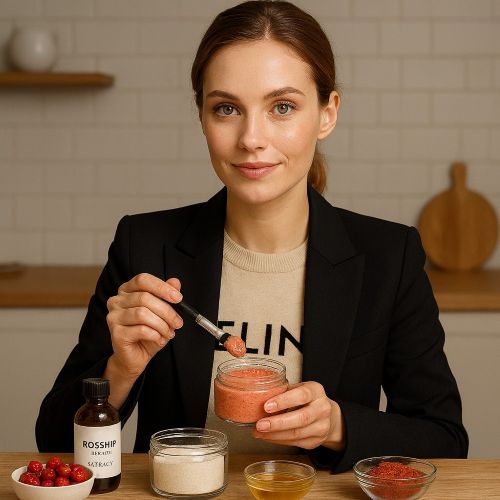 In the realm of natural and effective skincare CO₂ extracts represent the pinnacle of purity and concentration. Extracted using supercritical carbon dioxide these actives retain a wider spectrum of beneficial compounds than traditional methods offering superior potency. This process yields highly concentrated lipophilic components essential for targeted cosmetic formulations.
This comprehensive guide explores the advantages of CO₂ extraction highlights the most sought-after CO₂ active ingredients and provides three detailed DIY mask recipes focusing on the powerhouse benefits of CO₂ Rosehip Extract. Learn how to create superior custom skincare that outperforms standard industrial products.
The Advantage of Supercritical CO₂ Extraction
CO₂ extraction is a gentle solvent-free method that uses carbon dioxide under high pressure and low temperature.
Why CO₂ Extracts are Superior
-
Purity: The process leaves no solvent residue ensuring the extracts are 100% pure and natural unlike solvent-based extracts which can contain traces of chemical solvents.
-
Full Spectrum: Low temperatures preserve heat-sensitive compounds like vitamins enzymes and antioxidants which are often destroyed during steam distillation or hot solvent methods. This results in a fuller spectrum of the plant's beneficial properties.
-
Concentration: CO₂ extracts are highly concentrated containing potent levels of key active ingredients often significantly higher than traditional fixed oils or essential oils.
-
Stability: The resulting extracts are highly stable and resistant to oxidation often prolonging the shelf life of the final cosmetic product.
The Most Popular CO₂ Active Ingredients
Several CO₂ extracts have gained immense popularity in advanced cosmetic formulations due to their potent and targeted benefits:
-
1 Rosehip CO₂ Extract: Highly prized for its high content of Pro-Vitamin A (tretinoin equivalent) and essential fatty acids (Omega-3 and Omega-6). It is unparalleled for anti-aging cellular regeneration and scar reduction.
-
2 Calendula CO₂ Extract: Rich in triterpenes and carotenoids it is a potent anti-inflammatory and soothing agent perfect for sensitive or irritated skin reducing redness and promoting healing.
-
3 Chamomile CO₂ Extract: Contains high levels of bisabolol a powerful calming agent. Used to reduce hypersensitivity soothe allergic reactions and calm inflammatory skin conditions.
-
4 Sea Buckthorn CO₂ Extract: Contains a unique balance of Omega-7 fatty acids and a very high concentration of carotenoids making it exceptional for skin repair barrier function improvement and achieving a healthy glow.
-
5 Rosemary CO₂ Extract: Often used as a natural antioxidant preservative in oil-based products its carnosic acid content helps prevent the oxidation of other oils thereby extending the shelf life of the formula.
Recipe 1 The Ultimate Regenerative Rosehip Mask (Oil-Based)
This mask uses the pure CO₂ Rosehip Extract for maximum anti-aging and regenerative power ideal for mature or sun-damaged skin.
Ingredients Needed
-
1 CO₂ Rosehip Extract 1 ml
-
2 Carrier Oil Base Jojoba Oil or Squalane 20 ml
-
3 Anti-inflammatory Bisabolol natural 05 ml
-
4 Emollient Shea Butter or Mango Butter 5 grams
-
5 Wax/Stabilizer Beeswax or Candelilla Wax 1 gram
Preparation Nuances
-
Heat Sensitivity: CO₂ extracts are heat sensitive. They must be added to the formulation in the cooling phase never when the temperature is high.
-
Accurate Measurement: Due to the potency of the extract use precise measuring tools (pipettes or precision scales).
Step-by-Step Instructions
-
Step one Combine the Shea Butter and the Wax/Stabilizer in a sterile double boiler. Heat gently until just melted and uniform.
-
Step two Remove the mixture from the heat and add the Carrier Oil Base (20 ml). Stir until the mixture begins to cool and thicken slightly.
-
Step three When the mixture has cooled to under 40°C (104°F) add the CO₂ Rosehip Extract (1 ml) and the Bisabolol (05 ml).
-
Step four Stir vigorously until the mixture is uniform and reaches a thick creamy consistency.
-
Step five Transfer the mask into a clean opaque jar and allow it to fully set at room temperature.
Recipe 2 The Soothing Calendula CO₂ Repair Balm
This formula leverages the anti-inflammatory properties of Calendula ideal for dry irritated or sensitive skin types.
Ingredients Needed
-
1 CO₂ Calendula Extract 1 ml
-
2 Healing Oil Base Hemp Seed or Evening Primrose Oil 25 ml
-
3 Antioxidant Vitamin E Tocopherol 05 ml
-
4 Essential Oil Lavender or Frankincense (optional for scent) 2 drops
-
5 Thickening Agent Cetyl Alcohol or Carnauba Wax 1 gram
Preparation Nuances
-
Mixing Temperature: The Calendula extract must be added below $40^\circ\text{C}$ to preserve its heat-labile active compounds.
-
Consistency: The final product should be a soft balm easy to spread but not runny.
Step-by-Step Instructions
-
Step one Melt the Thickening Agent in a double boiler until fully liquid.
-
Step two Remove from heat and immediately add the Healing Oil Base (25 ml) stirring well to cool the mixture down quickly.
-
Step three Once the temperature is safe add the CO₂ Calendula Extract (1 ml) and the Vitamin E (05 ml).
-
Step four Mix thoroughly until the balm begins to solidify creating a smooth uniform consistency.
-
Step five Decant the repair balm into small sterilized jars for storage.
Recipe 3 The Sea Buckthorn Radiance Booster
A potent oil blend that uses CO₂ Sea Buckthorn for intense nourishment and barrier repair ideal as a nightly treatment.
Ingredients Needed
-
1 CO₂ Sea Buckthorn Extract 05 ml (highly pigmented)
-
2 Light Penetrating Oil Squalane 40 ml
-
3 Emollient Shea or Cocoa Butter 5 grams
-
4 Natural Preservative Rosemary CO₂ Extract 01 ml
Step-by-Step Instructions
-
Step one Gently melt the Shea or Cocoa Butter (5 grams) in a double boiler.
-
Step two Add the Light Penetrating Oil Squalane (40 ml) to the melted butter and remove from heat stirring to aid cooling.
-
Step three Once the mixture is cool enough below $40^\circ\text{C}$ add the highly active CO₂ Sea Buckthorn Extract (05 ml). Note this will impart a strong orange color.
-
Step four Add the natural preservative Rosemary CO₂ Extract (01 ml) and mix thoroughly for two minutes.
-
Step five Transfer the oil blend to a dropper bottle preferably dark glass to protect the carotenoids from light.
Detailed Recommendations for Use and Storage
Usage Guide
-
Application for Mask: Apply a thin layer of the mask (Recipe 1 or 2) to clean dry skin avoiding the immediate eye area. Leave on for 15-20 minutes then remove gently with a warm cloth. Use 2-3 times per week.
-
Application for Booster: The Radiance Booster (Recipe 3) should be used as a last step in your nighttime routine. Apply 3-4 drops after your water-based serums and before your heavy night cream.
-
Dilution: Never apply CO₂ extracts undiluted directly to the skin due to their high concentration. Always follow the dilution rates specified in the recipes.
Storage and Shelf Life
-
Container: Always store CO₂ extracts and the final products in dark glass amber or cobalt bottles. This protects the active compounds from light degradation especially fat-soluble vitamins and carotenoids.
-
Temperature: Store all CO₂ products in a cool dark place. Refrigeration is highly recommended particularly for formulas containing Rosehip or Sea Buckthorn to prevent oxidation of the precious fatty acids.
-
Shelf Life: Properly formulated and stored oil-based CO₂ masks and balms generally remain potent for 6 to 12 months. Always discard the product if you notice any changes in scent or color.
-
Hygiene: Use clean utensils for every preparation and avoid introducing water into oil-based formulas to prevent microbial growth.
Advantages Over Industrial Analogs
DIY cosmetics utilizing CO₂ extracts offer clear superiority over commercial products:
-
Elimination of Cheap Fillers: Industrial masks often contain synthetic waxes mineral oil and cheap emollients as primary ingredients. Your custom mask uses only highly effective natural oils and potent CO₂ actives.
-
Guaranteed Purity and Concentration: Commercial brands use CO₂ extracts sparingly due to cost often preferring cheaper solvent extracts. By making your own you ensure the inclusion of a high therapeutic concentration of the purest actives like CO₂ Rosehip.
-
No Synthetic Fragrances or Dyes: You avoid all synthetic additives fragrances and coloring agents which are common irritants in mass-market products ensuring your mask is gentle and effective.
-
Cost Effectiveness: While raw CO₂ extracts are costly their high concentration means a small amount goes a very long way making the final custom product significantly more affordable than a comparable high-end commercial mask.
This bespoke approach to skincare ensures you are choosing purity concentration and unparalleled effectiveness.


Cosmetic ingredients and professional formulation blog
This section features expert materials on modern cosmetic actives. We cover peptides, polynucleotides PDRN, different forms of hyaluronic acid, retinoids, ceramides and other key components.
Special focus is given to active stability, ingredient compatibility and correct incorporation into formulas. You will find practical guides on working with anti-age actives, moisturizing complexes and barrier repair ingredients.
We examine how to properly combine myorelaxants with peptides, common mistakes when using unstable vitamin C forms and ways to improve the performance of moisturizing actives.
Separate materials are dedicated to base oils, extracts, emulsifiers and supporting ingredients. This helps create stable and effective formulas for both professional and home cosmetics.
The blog regularly publishes reviews of trending actives, comparisons of similar ingredients and step-by-step formulation recommendations. The content is aimed at formulators, technologists and anyone seriously involved in creating cosmetic products.
Why this blog is useful
Here you will find practical data on eye area care actives, lifting systems and ingredients that improve skin firmness and tone. We rely on real formulation experience and address the actual challenges that arise during product development.
You can also explore materials on skin protection and repair, depigmentation and anti-inflammatory actives. This approach supports a more systematic selection of ingredients.
FAQ
What topics are covered most often
The blog focuses on peptides, PDRN, hyaluronic acid of different molecular weights, retinoids, ceramides and their compatibility rules.
Are there practical recommendations on how to incorporate actives
Yes, most articles include practical notes on pH stability, incorporation temperature and common formulation mistakes.
Is the content only for professionals
The materials are useful both for formulators and technologists and for those who create cosmetics for personal use and want to understand how modern ingredients work.
Where can I go directly to the ingredients
All key actives are collected in the Actives section, while base components are available in base oils and related categories.



