-
 DIY: Video master classes
-
 Aromatherapy
-
 Felting master classes
-
 Eating at home
-
 DIY cosmetics for children
-
 Cooking recipes
-
 Detergents, cleaning products with your own hands
-
 Soap making as a business
-
 Natural cosmetics. Raw materials for cosmetics and soap.
-
 Natural oils in cosmetics
-
 News
-
 Recipes for balms and conditioners
-
 Bath Bomb Recipes
-
 Cream recipes. Cream making.
-
 Lotion recipes. Gel recipes.
-
 Mask recipes
-
 Soap recipes. Base soap. Soap from scratch.
-
 Recipes for all occasions
-
 Natural shampoo recipes
-
 Healthy Nutrition Recipes
-
 Scrub recipes. Massage tiles. Ubtan
-
 DIY candles
-
 Reference materials, questions, tips
-
 Startup - soap production
-
 Hair care. Tips, recipes
-
 Facial skin care. Cleansers.
-
 Body care. Tips, recipes
-
 Photo Reviews
-
 Chocolate Handmade


What to add to the recipe so that my shampoo foams well - the secrets of lush and soft foam
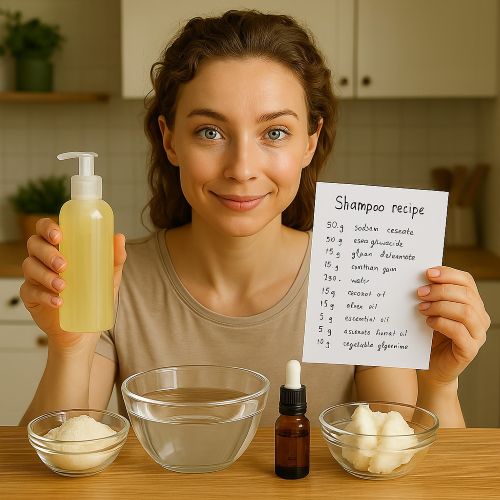 Crafting your own homemade shampoo is a rewarding step towards a more natural and personalized hair care routine. However, a common frustration for DIY enthusiasts is the lack of rich, satisfying lather that many commercial shampoos provide. That luxurious foam isn't just for show; it helps distribute the product evenly, allows for better cleansing, and offers a more pleasant washing experience. The good news is, you don't need harsh chemicals to achieve a good lather. With the right natural ingredients and techniques, your homemade shampoo can foam beautifully, leaving your hair clean, soft, and healthy.
This article will dive deep into the science behind foam in shampoos, highlighting key natural ingredients that boost lather, and detailing three unique recipes for effective and gentle cleansing. You'll also learn the nuances of preparation, understand the advantages of homemade foaming shampoos over their industrial counterparts, and get essential tips for usage and storage.
Why Foam Matters (and How It Works) in Shampoo
While foam itself doesn't directly clean your hair, it plays several crucial roles in the washing process:
- Even Distribution: A good lather helps spread the cleansing agents across your scalp and hair strands more effectively, ensuring all areas are thoroughly cleaned.
- Reduced Friction: Foam acts as a cushion, reducing friction between hair strands during washing. This minimizes tangling and breakage, especially important for delicate or long hair.
- Sensory Experience: Let's be honest, a rich, abundant lather feels luxurious and satisfying, making the shampooing experience more enjoyable.
- Rinsing Aid: Foam helps lift dirt, oil, and product buildup from the hair and scalp, making it easier to rinse away thoroughly.
The ability of a shampoo to foam comes from surfactants, which are compounds that lower the surface tension between liquids and solids. In commercial shampoos, these are often harsh sulfates (like SLS or SLES). In natural homemade shampoos, we use gentler, plant-derived surfactants that create foam without stripping your hair's natural oils.
Advantages of Homemade Foaming Shampoo Over Industrial Analogues
Choosing to make your own foaming shampoo offers significant benefits beyond just a good lather:
- Control Over Ingredients: You decide what goes into your shampoo. This means no harsh sulfates, parabens, phthalates, artificial colors, or synthetic fragrances that can irritate the scalp, strip natural oils, or cause allergic reactions.
- Customization for Your Hair: Tailor the recipe precisely to your hair type (oily, dry, fine, thick) and concerns (dandruff, sensitivity, frizz).
- Gentle Cleansing: Homemade shampoos with natural foaming agents cleanse effectively without over-drying your scalp or hair. They help maintain your hair's natural moisture balance, leading to less frizz and more shine.
- Cost-Effectiveness: While initial ingredient purchases might seem like an investment, homemade shampoos often prove more economical in the long run compared to high-quality natural commercial brands.
- Environmental Friendliness: Reducing plastic waste by reusing bottles and choosing bulk ingredients contributes to a more sustainable lifestyle.
- Transparency: You know exactly what you're putting on your hair, fostering greater trust and peace of mind.
Key Ingredients for Lush, Soft Foam
To get that desirable foam, you'll need to incorporate specific natural surfactants into your recipes. Here are some of the best:
- Decyl Glucoside: A very mild, non-ionic surfactant derived from corn starch and coconut oil. It's excellent for sensitive skin and creates a good, stable lather.
- Coco Glucoside: Similar to Decyl Glucoside, derived from coconut oil and fruit sugar. It's a gentle cleanser that produces a fine, rich foam.
- Cocamidopropyl Betaine: An amphoteric surfactant derived from coconut oil. It's known for its foam-boosting properties, mildness, and ability to reduce irritation from other surfactants. It also conditions the hair.
- Sodium Cocoyl Isethionate (SCI): A mild anionic surfactant derived from coconut fatty acids. It's known for producing a rich, creamy lather and leaving a soft feel on the skin and hair. Often comes in powder or noodle form.
- Liquid Castile Soap: A versatile, vegetable-oil-based soap that acts as a base cleanser. While it provides some lather, it's best combined with other surfactants for truly rich foam, especially in hard water.
Other beneficial foam-boosting and hair-loving ingredients:
- Glycerin: A humectant that draws moisture to the hair and enhances the overall feel of the shampoo.
- Panthenol (Pro-Vitamin B5): Moisturizes, strengthens hair, and can improve elasticity and shine.
- Hydrolyzed Wheat Protein or Rice Protein: Strengthens hair, adds body, and can improve manageability.
- Hydrosols (Floral Waters): Such as rose, lavender, or chamomile hydrosols, can replace part or all of the water phase, adding gentle aromatic and therapeutic benefits.
- Essential Oils: For fragrance and targeted benefits (e.g., Tea Tree for oily scalp, Lavender for all hair types, Rosemary for hair growth). Always dilute properly.
Nuances of Preparation for Optimal Foam
Achieving the perfect foam isn't just about the right ingredients; the preparation process also plays a role:
- Accurate Measurement: Surfactants, especially SCI, require precise measuring (by weight, not volume) to ensure proper concentration and performance. Invest in a small digital scale.
- Gentle Mixing: Surfactants can foam excessively if agitated too vigorously during mixing. Stir slowly and gently to combine ingredients.
- Temperature Control: Some surfactants (like SCI noodles) require gentle warming to dissolve completely. Use a double boiler method for this to avoid overheating, which can degrade ingredients.
- pH Adjustment: The pH level of your shampoo is crucial for both its effectiveness and gentleness. Most hair and scalp prefer a pH between 4.5 and 5.5. Use pH strips to test your final product and adjust if necessary with lactic acid or citric acid solution (to lower pH) or a very diluted baking soda solution (to raise pH).
- "Resting" Period: After mixing, allow your shampoo to sit for 12-24 hours. This allows any air bubbles to dissipate and the ingredients to fully integrate, resulting in a clearer, more stable product and often better foam.
Three Detailed Recipes for Foaming Shampoos
Here are three unique recipes to get you started on your journey to luscious, homemade lather. Always ensure your equipment is clean and sanitized.
Recipe #1: Gentle & Moisturizing Foam for Normal to Dry Hair
This recipe focuses on mildness and hydration, perfect for everyday use without stripping moisture.
Ingredients:
- Distilled Water: 60 ml (2 fl oz)
- Decyl Glucoside: 20 ml (0.67 fl oz)
- Coco Glucoside: 15 ml (0.5 fl oz)
- Vegetable Glycerin: 5 ml (1 tsp)
- Panthenol (Pro-Vitamin B5): 2 ml (approx. 40 drops)
- Preservative (e.g., Geogard 221 or Liquid Germall Plus): 1 ml (or as per manufacturer's instructions)
- Essential Oil (e.g., Lavender or Geranium): 5-10 drops (optional, for scent and benefits)
- pH strips
- Foaming pump bottle (100ml / 3.4 fl oz capacity)
Preparation:
- Combine Water & Humectants: In a clean, sanitized glass beaker, combine the distilled water and vegetable glycerin. Stir gently until well mixed.
- Add Surfactants: Slowly add the Decyl Glucoside and Coco Glucoside to the mixture. Stir very gently to avoid excessive foaming.
- Incorporate Actives: Add Panthenol. If using essential oils, add them now. Stir gently to incorporate.
- Add Preservative: Carefully add the chosen preservative according to the manufacturer's recommended percentage. Stir well but slowly for 1-2 minutes to ensure even distribution.
- Check pH: Dip a pH strip into the mixture. The ideal pH for shampoo is between 4.5 and 5.5. If the pH is too high (above 6), add a few drops of lactic acid solution (25-50% diluted) at a time, mixing and re-testing until the desired pH is reached.
- Rest & Bottle: Let the mixture sit for 12-24 hours to allow bubbles to settle. Then, carefully pour into your foaming pump bottle.
Recipe #2: Rich & Creamy Foam for All Hair Types (with SCI)
This recipe utilizes SCI for a more luxurious, creamy lather, excellent for effective cleansing without dryness.
Ingredients:
- Distilled Water: 50 ml (1.7 fl oz)
- Sodium Cocoyl Isethionate (SCI) noodles/powder: 15g (0.5 oz)
- Cocamidopropyl Betaine: 20 ml (0.67 fl oz)
- Vegetable Glycerin: 5 ml (1 tsp)
- Hydrolyzed Rice Protein: 2 ml (approx. 40 drops)
- Preservative (e.g., Cosgard): 1 ml (or as per manufacturer's instructions)
- Essential Oil (e.g., Rosemary & Peppermint for invigorating feel): 5-10 drops (optional)
- pH strips
- Foaming pump bottle (100ml / 3.4 fl oz capacity)
Preparation:
- Dissolve SCI: In a heat-safe glass beaker, combine SCI noodles/powder and distilled water. Place the beaker in a double boiler over low heat. Gently stir until the SCI is fully dissolved and the mixture is clear. This may take some time. Avoid boiling.
- Cool Slightly: Remove from heat and allow the mixture to cool down to about 40-45°C (104-113°F).
- Add Other Surfactants & Humectant: Add Cocamidopropyl Betaine and Vegetable Glycerin to the cooled SCI mixture. Stir very gently until well combined.
- Incorporate Actives: Add Hydrolyzed Rice Protein. If using essential oils, add them now. Stir gently.
- Add Preservative: Carefully add the chosen preservative according to the manufacturer's recommended percentage. Stir slowly for 1-2 minutes.
- Check pH: Test the pH. Adjust if necessary using a diluted lactic acid solution to bring it between 4.5 and 5.5.
- Rest & Bottle: Let the mixture rest for 12-24 hours. Once settled, pour into your foaming pump bottle.
Recipe #3: Clarifying Foam for Oily Scalp with Herbal Infusion
This recipe incorporates a gentle herbal infusion for scalp balancing, ideal for those prone to oiliness or product buildup.
Ingredients:
- Herbal Infusion (e.g., Rosemary, Nettle, or Green Tea): 70 ml (2.3 fl oz) - Prepared by steeping 1 tbsp dried herbs in 70ml boiling distilled water for 15-20 min, then straining and cooling.
- Decyl Glucoside: 15 ml (0.5 fl oz)
- Cocamidopropyl Betaine: 10 ml (0.33 fl oz)
- Apple Cider Vinegar (with mother): 3 ml (0.6 tsp) - Helps balance pH and clarify scalp.
- Preservative (e.g., Phenoxyethanol): 1 ml (or as per manufacturer's instructions)
- Essential Oil (e.g., Tea Tree & Lemon - bergaptene-free): 5-8 drops (optional, for clarifying)
- pH strips
- Foaming pump bottle (100ml / 3.4 fl oz capacity)
Preparation:
- Prepare Infusion: Brew your herbal infusion as described above. Ensure it's completely cooled before proceeding.
- Combine Liquids: In a clean, sanitized glass beaker, combine the cooled herbal infusion and apple cider vinegar.
- Add Surfactants: Slowly add Decyl Glucoside and Cocamidopropyl Betaine. Stir very gently to avoid creating too many bubbles.
- Add Preservative & Essential Oils: Carefully add the preservative and any essential oils. Stir slowly and thoroughly.
- Check pH: Test the pH. Herbal infusions and ACV might influence pH more, so adjust carefully with lactic acid or a very diluted baking soda solution to reach 4.5-5.5.
- Rest & Bottle: Let the mixture rest for 12-24 hours. Pour into your foaming pump bottle.
Recommendations for Use and Storage
Proper use and storage will ensure your homemade foaming shampoo remains effective and safe.
Usage:
- Wet Hair Thoroughly: Always saturate your hair completely with warm water before applying shampoo.
- Pump & Apply: Pump 1-3 pumps of foam into your palm, depending on hair length and thickness.
- Massage Scalp: Gently massage the foam into your scalp using your fingertips. Focus on the scalp, as it's where most oil and product buildup accumulates. The foam will naturally spread to your hair lengths.
- Rinse Well: Rinse your hair thoroughly with lukewarm water until all traces of foam are gone.
- Follow with Conditioner: Always follow with a natural conditioner, especially on the mid-lengths and ends, to ensure hydration and detangling.
- Adjust as Needed: If your hair feels too dry, reduce the amount of surfactant slightly in your next batch or add more glycerin/conditioning agents. If it's not clean enough, try a bit more surfactant.
Storage:
- Foaming Pump Bottles: Always store your homemade shampoo in a clean foaming pump bottle. These bottles are designed to mix the liquid with air to create foam on demand, without needing harsh foaming agents in the formula itself.
- Cool, Dark Place: Store your shampoo in a cool, dark place, away from direct sunlight and extreme temperatures. This helps preserve the integrity of the natural ingredients and the effectiveness of the preservative.
- Shelf Life: Due to the use of water and natural ingredients, homemade shampoos have a shorter shelf life than commercial products, even with a preservative. Generally, they last 2-3 months. Always note the date of creation on your bottle.
- Observe for Changes: If you notice any changes in color, smell, consistency, or the appearance of mold, discard the shampoo immediately.
- Batch Size: Make smaller batches more frequently rather than large ones to ensure freshness and reduce waste.
Crafting your own foaming shampoo is a rewarding journey into personalized and natural hair care. By understanding the role of gentle surfactants and following these detailed recipes, you can achieve that satisfying, rich lather you desire, all while nourishing your hair with wholesome ingredients. Embrace the comfort and confidence that comes with knowing exactly what you're putting on your hair, and enjoy the beauty of truly healthy, clean, and happy locks.


Cosmetic ingredients and professional formulation blog
This section features expert materials on modern cosmetic actives. We cover peptides, polynucleotides PDRN, different forms of hyaluronic acid, retinoids, ceramides and other key components.
Special focus is given to active stability, ingredient compatibility and correct incorporation into formulas. You will find practical guides on working with anti-age actives, moisturizing complexes and barrier repair ingredients.
We examine how to properly combine myorelaxants with peptides, common mistakes when using unstable vitamin C forms and ways to improve the performance of moisturizing actives.
Separate materials are dedicated to base oils, extracts, emulsifiers and supporting ingredients. This helps create stable and effective formulas for both professional and home cosmetics.
The blog regularly publishes reviews of trending actives, comparisons of similar ingredients and step-by-step formulation recommendations. The content is aimed at formulators, technologists and anyone seriously involved in creating cosmetic products.
Why this blog is useful
Here you will find practical data on eye area care actives, lifting systems and ingredients that improve skin firmness and tone. We rely on real formulation experience and address the actual challenges that arise during product development.
You can also explore materials on skin protection and repair, depigmentation and anti-inflammatory actives. This approach supports a more systematic selection of ingredients.
FAQ
What topics are covered most often
The blog focuses on peptides, PDRN, hyaluronic acid of different molecular weights, retinoids, ceramides and their compatibility rules.
Are there practical recommendations on how to incorporate actives
Yes, most articles include practical notes on pH stability, incorporation temperature and common formulation mistakes.
Is the content only for professionals
The materials are useful both for formulators and technologists and for those who create cosmetics for personal use and want to understand how modern ingredients work.
Where can I go directly to the ingredients
All key actives are collected in the Actives section, while base components are available in base oils and related categories.



