-
 DIY: Video master classes
-
 Aromatherapy
-
 Felting master classes
-
 Eating at home
-
 DIY cosmetics for children
-
 Cooking recipes
-
 Detergents, cleaning products with your own hands
-
 Soap making as a business
-
 Natural cosmetics. Raw materials for cosmetics and soap.
-
 Natural oils in cosmetics
-
 News
-
 Recipes for balms and conditioners
-
 Bath Bomb Recipes
-
 Cream recipes. Cream making.
-
 Lotion recipes. Gel recipes.
-
 Mask recipes
-
 Soap recipes. Base soap. Soap from scratch.
-
 Recipes for all occasions
-
 Natural shampoo recipes
-
 Healthy Nutrition Recipes
-
 Scrub recipes. Massage tiles. Ubtan
-
 DIY candles
-
 Reference materials, questions, tips
-
 Startup - soap production
-
 Hair care. Tips, recipes
-
 Facial skin care. Cleansers.
-
 Body care. Tips, recipes
-
 Photo Reviews
-
 Chocolate Handmade


Balm-mask for shine and gloss of hair: creation, composition and recipe
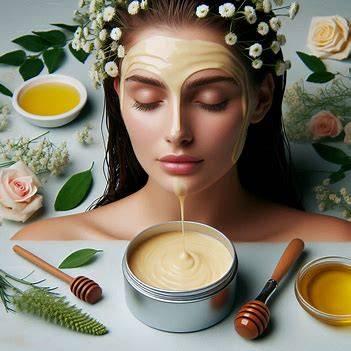 Hair that shines and glistens is a dream for many. A well-crafted balm-mask can be a powerful tool to achieve this goal. In this article, we'll delve into the creation, composition, and three distinct recipes for balm-masks that can revitalize your hair and leave it looking its best.
Understanding the Role of a Balm-Mask
A balm-mask is a deep-conditioning treatment that provides intense moisture and nourishment to your hair. It's designed to penetrate the hair shaft, repairing damage and improving its overall health. Unlike regular conditioners, balm-masks are typically thicker and leave a protective coating on the hair, enhancing its shine and gloss.
Key Ingredients for a Nourishing Balm-Mask
When formulating a balm-mask, it's essential to include ingredients that are rich in nutrients and have moisturizing properties. Here are some key components to consider:
- Butters: Shea butter, cocoa butter, and mango butter are excellent choices for their hydrating and protective qualities.
- Oils: Argan oil, coconut oil, and olive oil are known for their ability to penetrate the hair shaft and provide deep conditioning.
- Honey: Honey is a natural humectant that attracts and retains moisture, leaving hair soft and supple.
- Aloe Vera: This plant-based ingredient has soothing and healing properties, making it ideal for damaged hair.
- Essential Oils: Lavender, rosemary, and tea tree oil can add fragrance and provide additional benefits, such as stimulating hair growth and reducing scalp irritation.
Three Effective Balm-Mask Recipes
Now, let's explore three different balm-mask recipes that cater to various hair types and concerns:
1. Hydrating Balm-Mask for Dry Hair
- 1/4 cup shea butter
- 1/4 cup coconut oil
- 2 tablespoons honey
- 1 tablespoon aloe vera gel
- Melt the shea butter and coconut oil together in a double boiler.
- Stir in the honey and aloe vera gel until well combined.
- Allow the mixture to cool slightly before applying to damp hair.
- Cover your hair with a shower cap and leave the mask on for at least 30 minutes.
- Rinse thoroughly with warm water and condition as usual.
 2. Strengthening Balm-Mask for Damaged Hair
- 1/4 cup argan oil
- 2 tablespoons castor oil
- 1 tablespoon egg yolk
- 1 teaspoon apple cider vinegar
- Combine the argan oil and castor oil in a bowl.
- Whisk in the egg yolk and apple cider vinegar until smooth.
- Apply the mixture to damp hair, focusing on the ends.
- Cover your hair with a shower cap and leave the mask on for 30-45 minutes.
- Rinse thoroughly with cool water and condition as usual.
3. Shine-Boosting Balm-Mask for Dull Hair
- 1/4 cup olive oil
- 2 tablespoons avocado
- 1 tablespoon lemon juice
- 1 teaspoon honey
- Mash the avocado in a bowl.
- Add the olive oil, lemon juice, and honey, and mix well.
- Apply the mask to damp hair, focusing on the mid-lengths and ends.
- Cover your hair with a shower cap and leave the mask on for 20-30 minutes.
- Rinse thoroughly with warm water and condition as usual.
Tips for Optimal Results:
- Consistency is key. Use these balm-masks regularly for noticeable improvements in your hair's health and appearance.
- Customize the ingredients. Experiment with different butters, oils, and essential oils to find the perfect combination for your hair type.
- Deep condition. Apply the balm-masks to damp hair and cover it with a shower cap to trap in moisture and heat.
- Rinse thoroughly. Ensure that all traces of the mask are removed from your hair to prevent buildup.
By incorporating these balm-masks into your hair care routine, you can achieve lustrous, healthy hair that shines from within.


Cosmetic ingredients and professional formulation blog
This section features expert materials on modern cosmetic actives. We cover peptides, polynucleotides PDRN, different forms of hyaluronic acid, retinoids, ceramides and other key components.
Special focus is given to active stability, ingredient compatibility and correct incorporation into formulas. You will find practical guides on working with anti-age actives, moisturizing complexes and barrier repair ingredients.
We examine how to properly combine myorelaxants with peptides, common mistakes when using unstable vitamin C forms and ways to improve the performance of moisturizing actives.
Separate materials are dedicated to base oils, extracts, emulsifiers and supporting ingredients. This helps create stable and effective formulas for both professional and home cosmetics.
The blog regularly publishes reviews of trending actives, comparisons of similar ingredients and step-by-step formulation recommendations. The content is aimed at formulators, technologists and anyone seriously involved in creating cosmetic products.
Why this blog is useful
Here you will find practical data on eye area care actives, lifting systems and ingredients that improve skin firmness and tone. We rely on real formulation experience and address the actual challenges that arise during product development.
You can also explore materials on skin protection and repair, depigmentation and anti-inflammatory actives. This approach supports a more systematic selection of ingredients.
FAQ
What topics are covered most often
The blog focuses on peptides, PDRN, hyaluronic acid of different molecular weights, retinoids, ceramides and their compatibility rules.
Are there practical recommendations on how to incorporate actives
Yes, most articles include practical notes on pH stability, incorporation temperature and common formulation mistakes.
Is the content only for professionals
The materials are useful both for formulators and technologists and for those who create cosmetics for personal use and want to understand how modern ingredients work.
Where can I go directly to the ingredients
All key actives are collected in the Actives section, while base components are available in base oils and related categories.



