-
 DIY: Video master classes
-
 Aromatherapy
-
 Felting master classes
-
 Eating at home
-
 DIY cosmetics for children
-
 Cooking recipes
-
 Detergents, cleaning products with your own hands
-
 Soap making as a business
-
 Natural cosmetics. Raw materials for cosmetics and soap.
-
 Natural oils in cosmetics
-
 News
News
-
 Recipes for balms and conditioners
-
 Bath Bomb Recipes
-
 Cream recipes. Cream making.
-
 Lotion recipes. Gel recipes.
-
 Mask recipes
-
 Soap recipes. Base soap. Soap from scratch.
-
 Recipes for all occasions
-
 Natural shampoo recipes
-
 Healthy Nutrition Recipes
-
 Scrub recipes. Massage tiles. Ubtan
-
 DIY candles
-
 Reference materials, questions, tips
-
 Startup - soap production
-
 Hair care. Tips, recipes
-
 Facial skin care. Cleansers.
-
 Body care. Tips, recipes
-
 Photo Reviews
-
 Chocolate Handmade


Lip balm with peptides and squalane
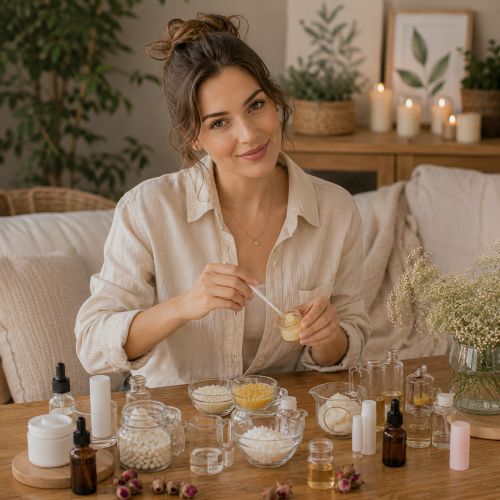 The delicate skin of the lips is uniquely vulnerable to environmental stressors due to its lack of sebaceous glands and thin stratum corneum. Modern cosmetology has moved beyond simple occlusion with petroleum jelly to functional repair using signal molecules and bio-identical lipids. A lip balm formulated with specialized peptides and plant derived squalane represents the gold standard in restorative care. Peptides act as cellular messengers that stimulate the production of collagen and hyaluronic acid while squalane provides a seamless protective barrier that prevents trans-epidermal water loss.
This professional guide explores the scientific synergy of these high tech ingredients and provides detailed formulations for creating effective anti aging lip care at home.
Beneficial Properties of Peptides and Squalane for Lip Revitalization
Peptides used in lip care are typically short chains of amino acids designed to penetrate the mucosal surface. Signal peptides like Palmitoyl Tripeptide-1 work by tricking the skin into thinking collagen has broken down which triggers the fibroblast cells to produce new structural proteins. Over time this leads to a visible increase in lip volume a more defined vermilion border and the smoothing of fine vertical lines often referred to as smoker lines. These actives transform a standard balm into a functional treatment for long term lip health.
Squalane is a hydrogenated stable lipid that mimics the natural squalene found in human sebum. It is an exceptional emollient because of its biocompatibility which allows it to integrate into the skin lipid matrix almost instantly. For the lips squalane provides a lightweight non greasy film that protects against wind cold and dehydration. Unlike heavy waxes squalane does not simply sit on the surface it facilitates the transport of other active ingredients like peptides deeper into the tissue ensuring maximum efficacy of the entire formulation.
Advantages of Handcrafted Peptide Balms Over Industrial Analogs
The primary drawback of many commercial lip balms is the use of mineral oils and paraffin waxes. While these ingredients provide a temporary barrier they can create a dependency cycle where the lips feel drier once the product wears off. By crafting your own balm with squalane you are providing the skin with lipids it recognizes and can actually utilize for repair.
Furthermore industrial products often contain high levels of synthetic fragrances and chemical cooling agents like menthol which can cause chronic irritation and inflammation of the lip tissue. Handmade balms allow you to control the exact percentage of peptides. Most high end commercial brands use only a fraction of a percent of active peptides for marketing purposes whereas at home you can formulate with a therapeutic concentration to achieve real physiological changes in lip density and hydration.
Technical Nuances of Preparing Balms with Active Peptides
The most critical factor when working with peptides is temperature sensitivity. Most cosmetic peptides are proteins that can denature or lose their biological activity if exposed to high heat for prolonged periods. Therefore the melting of waxes and butters must be done carefully in a water bath and the peptides must only be introduced during the cool down phase when the mixture is starting to thicken but is still pourable.
Squalane is highly stable and resistant to oxidation which makes it an excellent base for peptides. However to ensure the balm has a professional finish and doesn't grain over time the cooling process should be steady. If the balm cools too quickly the waxes may crystallize creating a gritty texture. A smooth glossy finish is achieved by constant gentle stirring as the temperature drops before the final pour into containers.
Recipe One Intense Volume and Anti Aging Lip Treatment
This formula is designed for those seeking a natural plumping effect and the reduction of fine lines.
Composition Seven grams Candelilla wax Ten milliliters squalane Five grams Mango butter Three milliliters Rosehip oil One milliliter Palmitoyl Tripeptide solution Two drops Vitamin E One drop Vanilla botanical extract
Preparation Step one Sanitize all glass beakers and stirring rods with seventy percent isopropyl alcohol. Step two Place the Candelilla wax Mango butter and squalane in a heat resistant glass beaker. Step three Gently heat the mixture in a water bath until the wax has completely melted into the lipids. Step four Remove the beaker from the heat and add the Rosehip oil stirring gently to combine. Step five Monitor the temperature and once the mixture is lukewarm add the Palmitoyl Tripeptide and Vitamin E. Step six Add the Vanilla extract and stir continuously until the mixture begins to show signs of thickening. Step seven Pour the liquid into a clean lip balm tube or small tin and let it set at room temperature for at least four hours.
Recipe Two SOS Restorative Balm for Dry and Cracked Lips
A rich heavy duty formula focused on healing the skin barrier and providing instant relief.
Composition Eight grams Beeswax Twelve milliliters squalane Six grams Shea butter Two milliliters Panthenol (D-Panthenol) One milliliter Peptide complex for skin repair Two drops Sea Buckthorn oil for color and healing Preservative suitable for anhydrous products
Preparation Step one Ensure the workspace is sterile and all ingredients are precisely measured. Step two Combine the Beeswax Shea butter and squalane in a beaker and melt using a gentle water bath. Step three Once the mixture is clear remove it from the heat and stir to release excess heat. Step four Incorporate the Panthenol which acts as a powerful humectant alongside the lipid base. Step five When the base is cool enough to touch but still liquid add the repair peptides and the Sea Buckthorn oil. Step six Stir for two minutes to ensure the peptides are evenly distributed throughout the thick wax matrix. Step seven Carefully pour the balm into containers and avoid moving them until the product has fully solidified.
Recipe Three Glossy Lip Fluid with Squalane and Silk Peptides
A lightweight high shine formulation that works perfectly as a daytime treatment or lip topper.
Composition Fifteen milliliters squalane Five milliliters Castor oil for extra shine Three grams Berry wax (soft wax) One milliliter Silk peptides Two milliliters Jojoba oil Two drops Grapefruit essential oil Eco-certified preservative
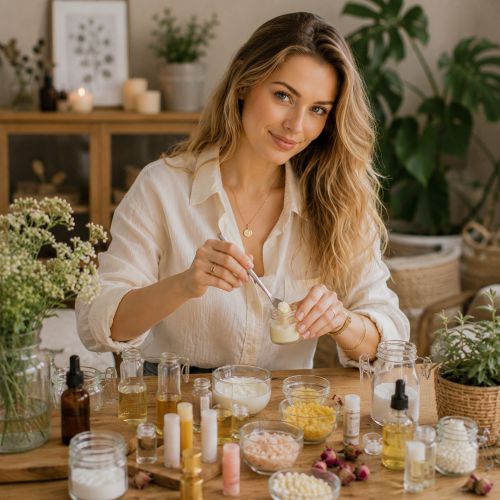
Preparation Step one Prepare a sterile environment and clean all laboratory tools. Step two Melt the Berry wax into the squalane and Castor oil mixture using low heat. Step three Once melted add the Jojoba oil which helps stabilize the lighter texture of the fluid. Step four Stir the liquid as it cools down to ensure a crystal clear appearance. Step five Integrate the Silk peptides and the Grapefruit essential oil into the cooled but liquid base. Step six Add the preservative and perform a final stir to ensure homogeneity. Step seven Use a small funnel or pipette to transfer the fluid into a rollerball bottle or a tube with a sponge applicator.
Detailed Recommendations for Application and Maximum Results
To get the most out of a peptide and squalane lip balm consistency is key. Unlike standard balms that are used only when lips feel dry peptide treatments should be applied at least three times a day. For maximum volume and repair apply a thick layer before bed. During the night the body focus on cellular regeneration and the peptides will have hours of undisturbed time to stimulate collagen synthesis.
For the best absorption of squalane apply the balm to slightly damp lips after washing your face. This traps a small amount of moisture underneath the lipid layer. If you use the SOS restorative version you can also use it as a 10 minute mask by applying a very heavy layer and then gently wiping away any excess with a soft cloth to reveal perfectly smooth hydrated skin.
Storage Guidelines and Maintenance of Bioactive Potency
Lip balms containing peptides and natural oils are sensitive to light and heat. To preserve the biological activity of the peptides store your balm in a cool dry place. Avoid leaving the product in a hot car or near a window where direct sunlight can break down the Rosehip oil and denature the peptides. Dark glass jars or opaque tubes are the best containers for maintaining the integrity of the formula.
The shelf life of a handcrafted balm with a proper preservative is approximately six to nine months. Because you are using high quality lipids like squalane they are less prone to turning rancid than cheaper vegetable oils. However if you notice any change in the scent or if the texture becomes excessively grainy it is time to make a fresh batch. Always ensure the cap is tightened after each use to prevent the oxidation of the delicate active ingredients. Using these professional storage techniques ensures your peptide balm remains an effective tool in your anti aging arsenal until the very last application.


Cosmetic ingredients and professional formulation blog
This section features expert materials on modern cosmetic actives. We cover peptides, polynucleotides PDRN, different forms of hyaluronic acid, retinoids, ceramides and other key components.
Special focus is given to active stability, ingredient compatibility and correct incorporation into formulas. You will find practical guides on working with anti-age actives, moisturizing complexes and barrier repair ingredients.
We examine how to properly combine myorelaxants with peptides, common mistakes when using unstable vitamin C forms and ways to improve the performance of moisturizing actives.
Separate materials are dedicated to base oils, extracts, emulsifiers and supporting ingredients. This helps create stable and effective formulas for both professional and home cosmetics.
The blog regularly publishes reviews of trending actives, comparisons of similar ingredients and step-by-step formulation recommendations. The content is aimed at formulators, technologists and anyone seriously involved in creating cosmetic products.
Why this blog is useful
Here you will find practical data on eye area care actives, lifting systems and ingredients that improve skin firmness and tone. We rely on real formulation experience and address the actual challenges that arise during product development.
You can also explore materials on skin protection and repair, depigmentation and anti-inflammatory actives. This approach supports a more systematic selection of ingredients.
FAQ
What topics are covered most often
The blog focuses on peptides, PDRN, hyaluronic acid of different molecular weights, retinoids, ceramides and their compatibility rules.
Are there practical recommendations on how to incorporate actives
Yes, most articles include practical notes on pH stability, incorporation temperature and common formulation mistakes.
Is the content only for professionals
The materials are useful both for formulators and technologists and for those who create cosmetics for personal use and want to understand how modern ingredients work.
Where can I go directly to the ingredients
All key actives are collected in the Actives section, while base components are available in base oils and related categories.