-
 DIY: Video master classes
-
 Aromatherapy
-
 Felting master classes
-
 Eating at home
-
 DIY cosmetics for children
-
 Cooking recipes
-
 Detergents, cleaning products with your own hands
-
 Soap making as a business
-
 Natural cosmetics. Raw materials for cosmetics and soap.
-
 Natural oils in cosmetics
-
 News
-
 Recipes for balms and conditioners
-
 Bath Bomb Recipes
-
 Cream recipes. Cream making.
-
 Lotion recipes. Gel recipes.
-
 Mask recipes
-
 Soap recipes. Base soap. Soap from scratch.
-
 Recipes for all occasions
-
 Natural shampoo recipes
-
 Healthy Nutrition Recipes
-
 Scrub recipes. Massage tiles. Ubtan
-
 DIY candles
-
 Reference materials, questions, tips
-
 Startup - soap production
-
 Hair care. Tips, recipes
-
 Facial skin care. Cleansers.
-
 Body care. Tips, recipes
-
 Photo Reviews
-
 Chocolate Handmade


Fragrances and fragrances trends in perfumery and cosmetics: what notes will be in fashion
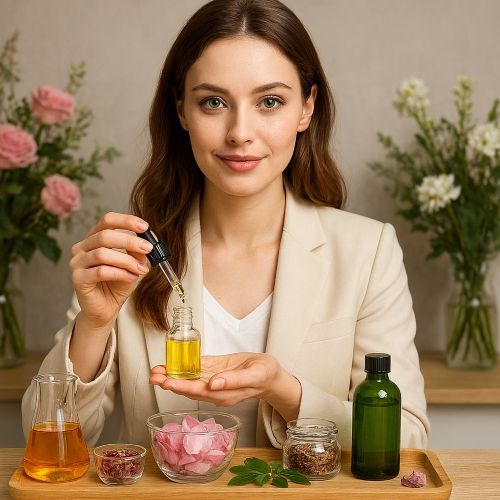 The world of fragrance is constantly evolving, mirroring global cultural shifts, sustainability concerns, and wellness priorities. The scents we choose for our perfumes, lotions, and home environments are powerful expressions of identity and mood. This comprehensive article delves into the major trends shaping perfumery and cosmetic fragrances, identifies the key notes that will define the upcoming season, and provides three unique DIY recipes for creating personalized, trend-forward scented products at home, highlighting the benefits of custom formulation over mass-market choices.
🎯 Major Olfactory Trends Shaping the Future
The current trends are moving away from overly synthetic, heavy scents toward more complex, mood-boosting, and environmentally conscious profiles.
Trend 1: Functional Fragrance and Wellness Scents
Fragrance is no longer just about smelling good; it is a tool for well-being and mood alteration.
-
Focus: Scents designed to enhance focus, reduce stress, or promote sleep.
-
Key Notes: Lavender Chamomile Bergamot Cedarwood Vetiver.
Trend 2: Transparent and Clean Scents
A reaction against heavy, overpowering fragrances. Consumers demand simple, natural, and clean-smelling profiles, often associated with hygiene and nature.
-
Focus: Minimalist formulas that evoke freshly washed linen clean air or a light mist.
-
Key Notes: White Musk Sandalwood Aldehydes Aquatic notes.
Trend 3: Hyper-Real Gourmands
Gourmand scents are evolving beyond simple sugar and vanilla. The new trend is toward sophisticated, hyper-realistic edible notes, often paired with earthy or spicy elements for complexity.
-
Focus: True-to-life scents of baked goods spices or complex desserts.
-
Key Notes: Roasted Coffee Bean Pistachio Tonka Bean Cacao Cardamom.
Trend 4: Reconnecting with Earth (Earthy and Green)
Sustainability and a desire for connection with nature drive the popularity of deep, earthy and plant-derived aromas.
-
Focus: Deep, grounding scents that evoke forests soil and moss.
-
Key Notes: Moss Patchouli Oakmoss Vetiver Fig Leaf.
🎶 The Notes That Will Dominate the Season
Based on the macro trends, certain scent notes are poised to become the most fashionable in both fine fragrance and cosmetic products.
-
Top Note Focus: Sparkling Citrus: Beyond basic Lemon and Orange, we will see highly nuanced and sparkling citruses like Yuzu and Pink Grapefruit for a modern, uplifting opening.
-
Heart Note Focus: Clean Florals: Traditional florals are updated with a clean, slightly aquatic edge. Water Lily and a very crisp Jasmine will replace heavy Tuberose.
-
Base Note Focus: Soft Woods and Vegan Musk: Heavy animalic musks are out. The focus is on soft, sustainable Sandalwood Amyris and synthetic Vegan Musk that provides a subtle, long-lasting skin scent.
-
Specialty Note: Mineral Accords: A futuristic and abstract note that smells like rain on hot asphalt or wet stones. It provides a unique, sophisticated texture to compositions.
🌿 Advantages of Crafting Your Own Scented Products
Creating scented cosmetics and perfumes at home offers distinct benefits over purchasing industrial counterparts:
-
Ingredient Control: You use high-quality essential oils and certified fragrance oils, avoiding questionable phthalates and cheap synthetic fillers commonly found in mass-market fragrances.
-
Allergy Management: If you are sensitive to certain perfume compounds or synthetic fixatives, you can exclude them entirely and use hypoallergenic, natural alternatives.
-
Custom Blending: The ultimate luxury is a bespoke scent. You can blend two or three trending notes to create a fragrance profile that is completely unique to you.
-
Potency and Depth: Homemade perfumes and lotions can be formulated with a higher concentration of natural essential oils for a richer, more nuanced, and longer-lasting aroma than diluted commercial mists.
🧴 Three Trend-Forward DIY Scent Recipes
These recipes focus on combining trending notes into balanced cosmetic and perfume products. All ingredients should be measured with a precise digital scale and prepared in sterilized containers.
Recipe 1: Functional Focus Mist (Wellness Trend)
A light mist designed to enhance focus and mental clarity using functional fragrance notes.
Ingredients (for 50g):
-
Base (Distilled Water or Witch Hazel Hydrosol): 46.5 g
-
Humectant (Glycerin): 1.5 g (Helps scent adhere to skin)
-
Solubilizer (e.g., Polysorbate 20 or an oil-in-water solubilizer): 1.0 g
-
Essential Oil 1 (Bergamot - stress reducer): 0.5 g
-
Essential Oil 2 (Cedarwood - focus booster): 0.5 g
Preparation Steps
Step one In a small glass beaker, combine the Solubilizer and the essential oils (Bergamot and Cedarwood). Mix thoroughly to create the fragrance concentrate.
Step two In a separate sterile container, combine the Base (hydrosol) and the Humectant (Glycerin). Stir gently.
Step three Slowly add the fragrance concentrate (from Step one) to the Base (from Step two). The mixture should remain clear and homogenous. Stir well for two minutes.
Step four Transfer the finished mist to a dark, clean spray bottle. Shake gently before each use.
Recipe 2: Clean Mineral Accord Body Oil (Clean & Aquatic Trend)
A moisturizing body oil featuring transparent and subtly mineral notes for a "fresh skin" effect.
Ingredients (for 50g):
-
Carrier Oil 1 (Jojoba Oil): 20.0 g (Lightweight and non-greasy)
-
Carrier Oil 2 (Sweet Almond Oil): 28.5 g (Moisturizing)
-
Fragrance Oil (Mineral Accord or Clean White Musk - high quality): 1.0 g
-
Antioxidant (Vitamin E Oil): 0.5 g (Stabilizes the oils)
Preparation Steps
Step one In a sterilized beaker, weigh both carrier oils (Jojoba and Sweet Almond). Mix gently.
Step two Add the Vitamin E Oil to the carrier oils. This helps prevent the delicate oils from oxidizing and keeps the product fresh longer.
Step three Slowly add the chosen Fragrance Oil (Mineral Accord or Clean Musk). Stir until the fragrance is fully incorporated into the oil base.
Step four Pour the finished oil into a dark, clean dispensing bottle.
Recipe 3: Hyper-Real Gourmand Solid Perfume (Gourmand Trend)
A portable, long-lasting solid perfume utilizing trending gourmand notes.
Ingredients (for 20g):
-
Wax (Beeswax or Candelilla Wax): 4.0 g (Provides structure)
-
Butter (Shea Butter or Cocoa Butter): 6.0 g (Provides creaminess)
-
Oil (Fractionated Coconut Oil): 8.5 g
-
Essential Oil/Absolute (Roasted Coffee or Tonka Bean Absolute): 1.5 g (High concentration for a solid perfume)
Preparation Steps
Step one In a heat-safe beaker, combine the Wax, the Butter, and the Oil. Place the beaker in a water bath (double boiler) over low heat.
Step two Heat the mixture until all components are completely melted and clear. Remove immediately from heat.
Step three Let the mixture cool for 1-2 minutes, stirring constantly. When the mixture is still liquid but slightly opaque around the edges, add the essential oil or absolute (Roasted Coffee/Tonka Bean). This prevents the volatile oils from evaporating.
Step four Quickly pour the liquid mixture into a clean lip balm container or small solid perfume compact. Allow to cool completely and solidify at room temperature or in the refrigerator.
💡 Usage and Storage Recommendations
Application Guidelines
-
Layering for Longevity: For the longest-lasting scent, apply the Body Oil (Recipe 2) immediately after a shower, followed by the Solid Perfume (Recipe 3) to pulse points (wrists, behind ears, back of the neck).
-
Boosting Mood: Use the Functional Focus Mist (Recipe 1) as an "aura mist" around your workspace or bedroom to signal focus or relaxation.
-
Solid Perfume Use: Solid perfumes are activated by body heat. Gently rub a clean fingertip over the surface and apply directly to pulse points.
Preparation and Storage Nuances
-
Wax Melting: When preparing solid perfume, never heat the waxes and oils directly over a flame; always use a double boiler to ensure even, low heat and prevent scorching.
-
Fragrance Integrity: Essential oils and absolutes are volatile. Always add them when the base mixture has cooled sufficiently (ideally below 40°C or 104°F) to preserve their aromatic molecules.
-
Storage Environment: Store all finished products away from direct sunlight and high heat. Excessive heat breaks down the aromatic compounds, drastically changing the scent profile.
-
Shelf Life: The solid perfume and body oil (Recipes 2 and 3) typically last 6 to 12 months due to the stability of the oils and the addition of Vitamin E. The water-based mist (Recipe 1) should be used within 3 to 4 months and requires a broad-spectrum preservative for safety.


Cosmetic ingredients and professional formulation blog
This section features expert materials on modern cosmetic actives. We cover peptides, polynucleotides PDRN, different forms of hyaluronic acid, retinoids, ceramides and other key components.
Special focus is given to active stability, ingredient compatibility and correct incorporation into formulas. You will find practical guides on working with anti-age actives, moisturizing complexes and barrier repair ingredients.
We examine how to properly combine myorelaxants with peptides, common mistakes when using unstable vitamin C forms and ways to improve the performance of moisturizing actives.
Separate materials are dedicated to base oils, extracts, emulsifiers and supporting ingredients. This helps create stable and effective formulas for both professional and home cosmetics.
The blog regularly publishes reviews of trending actives, comparisons of similar ingredients and step-by-step formulation recommendations. The content is aimed at formulators, technologists and anyone seriously involved in creating cosmetic products.
Why this blog is useful
Here you will find practical data on eye area care actives, lifting systems and ingredients that improve skin firmness and tone. We rely on real formulation experience and address the actual challenges that arise during product development.
You can also explore materials on skin protection and repair, depigmentation and anti-inflammatory actives. This approach supports a more systematic selection of ingredients.
FAQ
What topics are covered most often
The blog focuses on peptides, PDRN, hyaluronic acid of different molecular weights, retinoids, ceramides and their compatibility rules.
Are there practical recommendations on how to incorporate actives
Yes, most articles include practical notes on pH stability, incorporation temperature and common formulation mistakes.
Is the content only for professionals
The materials are useful both for formulators and technologists and for those who create cosmetics for personal use and want to understand how modern ingredients work.
Where can I go directly to the ingredients
All key actives are collected in the Actives section, while base components are available in base oils and related categories.



