-
 DIY: Video master classes
-
 Aromatherapy
-
 Felting master classes
-
 Eating at home
-
 DIY cosmetics for children
-
 Cooking recipes
-
 Detergents, cleaning products with your own hands
-
 Soap making as a business
-
 Natural cosmetics. Raw materials for cosmetics and soap.
-
 Natural oils in cosmetics
-
 News
-
 Recipes for balms and conditioners
-
 Bath Bomb Recipes
-
 Cream recipes. Cream making.
-
 Lotion recipes. Gel recipes.
-
 Mask recipes
-
 Soap recipes. Base soap. Soap from scratch.
-
 Recipes for all occasions
-
 Natural shampoo recipes
-
 Healthy Nutrition Recipes
-
 Scrub recipes. Massage tiles. Ubtan
-
 DIY candles
-
 Reference materials, questions, tips
-
 Startup - soap production
-
 Hair care. Tips, recipes
-
 Facial skin care. Cleansers.
-
 Body care. Tips, recipes
-
 Photo Reviews
-
 Chocolate Handmade


Antioxidant formulas for skin protection
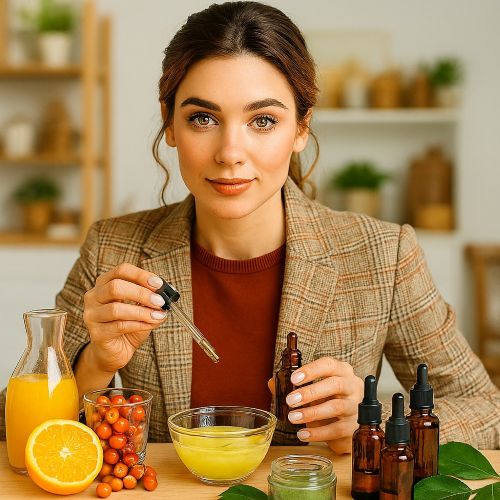 In our daily lives, our skin is constantly under attack from environmental stressors. Pollution, UV radiation, and other factors create free radicals — unstable molecules that can damage skin cells, leading to premature aging, fine lines, and dullness. The best defense against this damage is a robust regimen of antioxidants. These powerful molecules neutralize free radicals, protecting the skin and helping it to maintain its youthful appearance. While many commercial products promise antioxidant benefits, creating your own formulas ensures maximum potency and purity. This article provides a comprehensive guide to antioxidant formulas for skin protection, detailing the benefits of key ingredients and offering three detailed recipes for a serum, a cream, and a facial oil. You'll discover the nuances of preparation and the distinct advantages of DIY skincare over industrial products.
The Science of Antioxidants and Skin Health
Antioxidants are vital for protecting the skin from oxidative stress. Oxidative stress occurs when there is an imbalance between free radicals and antioxidants in the body. When free radicals are left unchecked, they can harm cells and accelerate the aging process. By introducing a consistent supply of topical antioxidants, you can help your skin fight this damage and repair itself.
Key benefits of using antioxidants in skincare include:
-
Preventing premature aging: Antioxidants protect collagen and elastin fibers, which are essential for skin firmness and elasticity. This helps to reduce the appearance of fine lines and wrinkles.
-
Evening out skin tone: Many antioxidants, such as Vitamin C, have a brightening effect and can help to fade hyperpigmentation and dark spots.
-
Soothing inflammation: Antioxidants have anti-inflammatory properties, which can calm and soothe irritated skin.
-
Boosting sun protection: While not a substitute for sunscreen, antioxidants can provide an extra layer of defense against UV-induced damage.
Three Recipes for Antioxidant-Rich Formulas
These recipes are designed to be potent and effective, using a synergistic blend of powerful antioxidants.
Recipe 1: The Potent Vitamin C Serum
Vitamin C is one of the most well-researched and powerful antioxidants. This serum combines it with other key ingredients for a brightening and protective effect.
-
Prepare the water phase. In a sterilized beaker, weigh 85g of distilled water.
-
Dissolve the actives. Add 5g of Sodium Ascorbyl Phosphate (SAP), a stable form of Vitamin C, and 5g of Niacinamide (Vitamin B3). Niacinamide and Vitamin C work together to improve skin tone and strengthen the skin barrier. Stir until completely dissolved.
-
Add a humectant and preservative. Add 4g of vegetable glycerin for hydration and 1g of a broad-spectrum preservative like Geogard 221. Stir thoroughly.
-
Check the pH and package. Check the pH of the serum. It should be between 6.0 and 7.0 for optimal SAP function. Pour the finished serum into a dark glass dropper bottle to protect it from light.
Recommendations for Use: Apply 2-3 drops to clean skin in the morning, before your moisturizer and sunscreen, to provide maximum antioxidant protection throughout the day.
Storage: Store in a cool, dark place. The shelf life is up to 6 months.
Recipe 2: The CoQ10 & Vitamin E Anti-Aging Cream
This rich cream uses a powerful combination of antioxidants to deeply nourish and protect the skin.
-
Prepare the water phase. In a sterilized beaker, weigh 65g of distilled water. Heat to 70°C.
-
Prepare the oil phase. In a separate beaker, combine 15g of shea butter, 10g of jojoba oil, and 5g of an emulsifying wax like Olivem 1000. Heat to 70°C, stirring until all ingredients are melted.
-
Emulsify. Slowly pour the hot water phase into the hot oil phase, mixing with a hand blender in short pulses until a creamy emulsion forms. Continue mixing as the lotion cools.
-
Add the antioxidants. When the cream cools to below 40°C, add 1g of Coenzyme Q10 (CoQ10) powder (it's fat-soluble, so it blends easily into the cream) and 1g of Vitamin E (Tocopherol). Stir thoroughly until the powders are dissolved.
-
Add a preservative. Add 1g of a broad-spectrum preservative. Stir well and transfer to a jar.
Recommendations for Use: Apply a small amount to the face and neck in the evening to allow the antioxidants to work overnight.
Storage: Store in a cool, dark place. The shelf life is up to 3 months.
Recipe 3: The Restorative Facial Oil Elixir
This simple, water-free formula is a concentrated dose of antioxidants that's perfect for evening use.
-
Prepare the base oils. In a sterilized glass dropper bottle, add 25g of cold-pressed Rosehip Oil and 20g of Squalane oil. Rosehip oil is rich in Vitamin A and E, while Squalane is a lightweight, non-greasy emollient.
-
Add a powerful antioxidant. Add 5g of Ferulic Acid powder. Ferulic Acid is a plant-based antioxidant that enhances the stability of Vitamins C and E. Mix until the powder is fully dissolved.
-
Add Vitamin E. Add 1g of Vitamin E (Tocopherol). It acts as both an antioxidant for the skin and a preservative for the oils.
-
Package and store. Close the bottle tightly and shake well before each use.
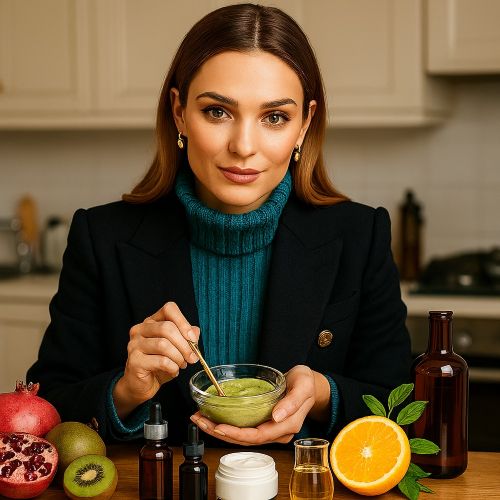 Recommendations for Use: Apply 2-3 drops to clean skin in the evening, after your water-based serums. Massage gently until absorbed.
Storage: Store in a cool, dark place, away from sunlight. The shelf life is up to 6 months.
Advantages of Homemade Antioxidant Skincare
Creating your own antioxidant formulas provides a number of benefits that industrial products can't match.
-
High Potency: Commercial brands often use minimal amounts of expensive antioxidants to cut costs. By making your own, you can use these ingredients at their recommended, effective concentrations, ensuring you get the full benefits.
-
No Unnecessary Fillers: Many store-bought creams and serums are filled with synthetic ingredients, fragrances, and dyes that provide no benefit and can cause irritation. Your homemade products are pure, containing only what your skin needs.
-
Ingredient Transparency: You have complete control over every ingredient. You know exactly what is in your product and can tailor it to your specific skin concerns or sensitivities.
-
Cost-Effectiveness: High-quality antioxidant serums and creams can be very expensive. Making your own from scratch is a fraction of the cost, while delivering superior results.
By taking control of your skincare, you empower yourself to create potent, pure, and effective products that truly protect your skin from the rigors of daily life.


Cosmetic ingredients and professional formulation blog
This section features expert materials on modern cosmetic actives. We cover peptides, polynucleotides PDRN, different forms of hyaluronic acid, retinoids, ceramides and other key components.
Special focus is given to active stability, ingredient compatibility and correct incorporation into formulas. You will find practical guides on working with anti-age actives, moisturizing complexes and barrier repair ingredients.
We examine how to properly combine myorelaxants with peptides, common mistakes when using unstable vitamin C forms and ways to improve the performance of moisturizing actives.
Separate materials are dedicated to base oils, extracts, emulsifiers and supporting ingredients. This helps create stable and effective formulas for both professional and home cosmetics.
The blog regularly publishes reviews of trending actives, comparisons of similar ingredients and step-by-step formulation recommendations. The content is aimed at formulators, technologists and anyone seriously involved in creating cosmetic products.
Why this blog is useful
Here you will find practical data on eye area care actives, lifting systems and ingredients that improve skin firmness and tone. We rely on real formulation experience and address the actual challenges that arise during product development.
You can also explore materials on skin protection and repair, depigmentation and anti-inflammatory actives. This approach supports a more systematic selection of ingredients.
FAQ
What topics are covered most often
The blog focuses on peptides, PDRN, hyaluronic acid of different molecular weights, retinoids, ceramides and their compatibility rules.
Are there practical recommendations on how to incorporate actives
Yes, most articles include practical notes on pH stability, incorporation temperature and common formulation mistakes.
Is the content only for professionals
The materials are useful both for formulators and technologists and for those who create cosmetics for personal use and want to understand how modern ingredients work.
Where can I go directly to the ingredients
All key actives are collected in the Actives section, while base components are available in base oils and related categories.




