-
 DIY: Video master classes
-
 Aromatherapy
-
 Felting master classes
-
 Eating at home
-
 DIY cosmetics for children
-
 Cooking recipes
-
 Detergents, cleaning products with your own hands
-
 Soap making as a business
-
 Natural cosmetics. Raw materials for cosmetics and soap.
-
 Natural oils in cosmetics
-
 News
-
 Recipes for balms and conditioners
-
 Bath Bomb Recipes
-
 Cream recipes. Cream making.
-
 Lotion recipes. Gel recipes.
-
 Mask recipes
-
 Soap recipes. Base soap. Soap from scratch.
-
 Recipes for all occasions
-
 Natural shampoo recipes
-
 Healthy Nutrition Recipes
-
 Scrub recipes. Massage tiles. Ubtan
-
 DIY candles
-
 Reference materials, questions, tips
-
 Startup - soap production
-
 Hair care. Tips, recipes
-
 Facial skin care. Cleansers.
-
 Body care. Tips, recipes
-
 Photo Reviews
-
 Chocolate Handmade


Adaptogens in cosmetics: What are they and how do they work
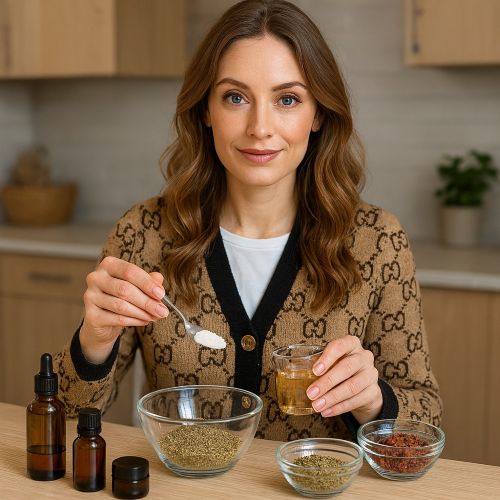 In the modern skincare landscape, the biggest threat to skin health is not just sun exposure but chronic stress environmental pollution and digital screen radiation (blue light). These factors induce a state of cellular stress that accelerates aging impairs barrier function and triggers inflammation. Adaptogens—a class of natural herbal extracts—offer a revolutionary solution by increasing the skin's resilience and capacity to adapt to these internal and external pressures.
This comprehensive guide defines adaptogens such as Ashwagandha Ginseng and Rhodiola Rosea and explains their precise mechanism of action at the cellular level including their ability to regulate stress responses and combat oxidative damage. We provide essential knowledge on selecting and formulating with these potent botanicals detailing their optimal working concentrations and necessary preparation techniques. Included are three detailed recipes and expert recommendations to help you create truly stress-calming and restorative skincare that outperforms generic commercial offerings.
What Are Adaptogens and How Do They Function
Adaptogens are non-toxic plant extracts that help normalize the body's physiological functions and counteract the effects of physical chemical and biological stress. When applied topically they work within the skin cells to modulate the stress response pathways.
The Mechanism of Anti-Stress Action
The primary function of adaptogens in skincare is linked to their ability to interrupt the destructive cycle caused by stress:
-
Cortisol Modulation: Stress hormones like cortisol trigger inflammation redness and excessive sebum production. Adaptogens contain compounds (such as withanolides in Ashwagandha) that help the skin cells manage or mitigate the negative effects of this hormonal signaling.
-
Oxidative Stress Defense: They are rich in powerful antioxidants (like rosavins in Rhodiola) which neutralize free radicals generated by UV exposure pollution and heat preventing cellular damage and premature aging.
-
Barrier Fortification: By reducing inflammation adaptogens help reinforce the skin barrier minimizing moisture loss and reducing sensitivity and reactivity.
Key Adaptogens in Skincare
-
Ashwagandha (Withania somnifera): Known for its calming properties. Reduces inflammation and helps protect skin from blue light induced damage.
-
Rhodiola Rosea (Golden Root): Potent antioxidant and anti-fatigue properties. Boosts cell energy and fights environmental stress.
-
Ginseng (Panax spp.): Excellent blood flow stimulant and collagen booster. Known for revitalizing and strengthening the skin.
-
Reishi Mushroom (Ganoderma lucidum): Highly valued for its beta-glucans which provide deep hydration and immunomodulating benefits reducing inflammation.
Formulation Nuances Working with Adaptogen Extracts
Adaptogens are typically sourced as powders or liquid extracts (glycerine-based or water-soluble). Their stability and efficacy depend heavily on correct handling.
1 Active Concentration
Unlike oils or butters adaptogens are used in low concentrations often ranging from 05% to 5% of the total formula. High concentrations can sometimes cause color or odor issues without significantly increasing efficacy.
2 Temperature Sensitivity
As highly active botanical extracts most adaptogens should be added to the Cool Down Phase of an emulsion (when the temperature is below 40 degrees Celsius). Excessive heat can degrade delicate compounds like polysaccharides and polyphenols diminishing their adaptogenic power.
3 Solubility and Base Choice
-
Water Soluble: Most common format. Easily incorporated into serums lotions and creams in the water phase.
-
Glycerine Extracts: Offer good stability and act as humectants. They should also be added during the cooling phase.
4 Preservative Necessity
Since adaptogens are almost always added as water-based or glycerine-based liquids into an aqueous product, a broad-spectrum preservative system is mandatory to prevent microbial growth.
Recipe 1 Ashwagandha Anti-Stress Barrier Serum (Water-Based)
A lightweight serum focused on calming stress-induced inflammation and protecting against blue light damage.
Ingredients Needed
-
1 Water Phase (85%): Distilled Water 80 ml Humectant Glycerin 5 ml
-
2 Actives Phase (10%): Niacinamide powder 5 grams (5%)
-
3 Cool Down Phase (5%): Ashwagandha Extract (Water Soluble) 3 ml Allantoin 1 gram Preservative 1 ml
Step-to-Step Instructions
-
Step one In a clean beaker combine Distilled Water (80 ml) and Glycerin (5 ml). Warm gently to 30 degrees Celsius.
-
Step two Slowly add the Niacinamide powder (5 grams) stirring until fully dissolved.
-
Step three Cool the solution to below 35 degrees Celsius.
-
Step four Add the Ashwagandha Extract (3 ml) Allantoin (1 gram) and Preservative (1 ml). Stir gently until fully incorporated.
-
Step five Measure and adjust pH. Niacinamide and the water-soluble extract perform best in the 50 to 60 range.
-
Step six Transfer the serum to an opaque dropper or pump bottle.
Recipe 2 Reishi and Rhodiola Balancing Cream (Oil-in-Water)
A nourishing cream using two potent adaptogens to boost resilience and hydration.
Ingredients Needed
-
1 Water Phase (70%): Distilled Water 68 ml Thickener Xanthan Gum 2 grams
-
2 Oil Phase (20%): Shea Butter 5 grams Squalane Oil 10 ml Emulsifier Olivem 1000 5 grams
-
3 Cool Down/Actives Phase (10%): Rhodiola Rosea Extract (Glycerine Soluble) 4 ml Reishi Mushroom Extract (Water Soluble) 3 ml Preservative 1 ml Viscosity Modifier (Optional)
Step-to-Step Instructions
-
Step one Create the Water Phase (70 ml) by hydrating the Xanthan Gum in the Distilled Water. Heat the water phase to 75 degrees Celsius.
-
Step two Combine the Oil Phase (20 grams) and heat to 75 degrees Celsius ensuring the Shea Butter and Olivem 1000 are fully melted.
-
Step three Pour the Water Phase into the Oil Phase and blend vigorously for 3 minutes until a smooth stable emulsion forms.
-
Step four Cool the cream while stirring.
-
Step five When the temperature is below 40 degrees Celsius add the Rhodiola Extract (4 ml) Reishi Extract (3 ml) and Preservative (1 ml).
-
Step six Mix until homogenous and check the pH for stability.
Recipe 3 Ginseng Revitalizing Eye Gel (Low Viscosity)
A light, fast-absorbing gel to reduce signs of fatigue and boost circulation with Ginseng.
Ingredients Needed
-
1 Base Aloe Vera Juice 85 ml
-
2 Viscosity Modifier Carbomer Powder 05 grams (or similar thickener)
-
3 Active Ginseng Extract (Water Soluble) 5 ml
-
4 Hydration Sodium PCA 8 ml
-
5 Preservative 15 ml
Step-to-Step Instructions
-
Step one Slowly sprinkle the Carbomer Powder (05 grams) over the Aloe Vera Juice (85 ml) while stirring gently. Allow 15 minutes for the thickener to hydrate fully and form a gel.
-
Step two If using Carbomer neutralize the gel with a few drops of Triethanolamine or another base to set the gel structure and achieve a pH of 55 to 60.
-
Step three Add the Ginseng Extract (5 ml) and Sodium PCA (8 ml). Stir gently to avoid incorporating air bubbles.
-
Step four Add the Preservative (15 ml) and mix until fully integrated.
-
Step five Transfer the clear gel into a sterile jar or airless pump dispenser.
Detailed Recommendations for Use and Storage
Usage Guide for Adaptogen Products
-
Application Timing: Adaptogen serums are highly recommended for use in the morning as they offer preventative defense against environmental and stress factors encountered throughout the day.
-
Complementary Actives: Adaptogens pair synergistically with other calming ingredients (Centella Asiatica Bisabolol) and barrier repair agents (Ceramides) to create powerful soothing routines.
-
Consistency: For adaptogens to show their full potential in boosting resilience consistency is key. Use the product daily for at least 4-6 weeks.
Storage and Shelf Life
-
Temperature: Store serums and creams containing botanical extracts in a cool dark place away from direct sunlight and heat sources. Refrigeration can slightly extend the life of highly sensitive water-based extracts.
-
Packaging: Always use dark or opaque packaging to shield the phenolic compounds and antioxidants in the adaptogen extracts from light degradation.
-
Aqueous Shelf Life: Despite preservation water-based adaptogen products should be considered fresh and used within 3-4 months to ensure the maximum potency of the extracts.
Advantages Over Industrial Analogs
Formulating with pure adaptogen extracts at home provides distinct benefits over generic commercial options:
-
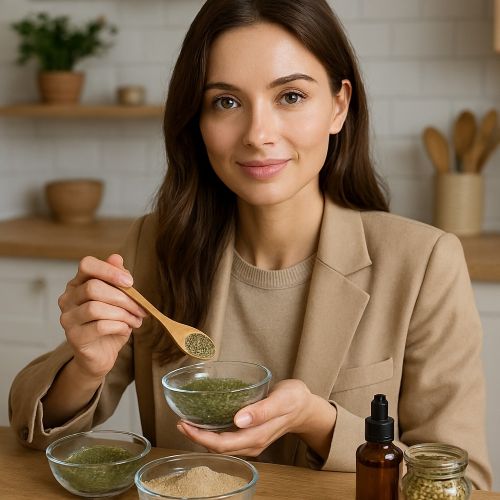 Purity of Extract: You select high-quality standardized extracts (e.g. Rhodiola standardized to rosavins) ensuring the presence of the active compounds responsible for the adaptogenic effect. Commercial products may use less potent whole herb extracts.
-
Optimal Concentration: You control the dosage ensuring the product contains the clinically relevant concentration (e.g. 2-4% extract) which is often diluted in mass-market products due to cost constraints.
-
Avoidance of Irritants: You bypass common irritants like synthetic fragrances or harsh stabilizing solvents which can counteract the calming benefits of the adaptogens.
-
Synergistic Blends: You create specialized stress-combatting blends pairing specific adaptogens with other potent actives like Niacinamide or Ceramides for a holistic repair and resilience approach.
By formulating your own adaptogen-rich skincare you transition from passively managing symptoms to actively building your skin's intrinsic defense system against the stresses of modern life.


Cosmetic ingredients and professional formulation blog
This section features expert materials on modern cosmetic actives. We cover peptides, polynucleotides PDRN, different forms of hyaluronic acid, retinoids, ceramides and other key components.
Special focus is given to active stability, ingredient compatibility and correct incorporation into formulas. You will find practical guides on working with anti-age actives, moisturizing complexes and barrier repair ingredients.
We examine how to properly combine myorelaxants with peptides, common mistakes when using unstable vitamin C forms and ways to improve the performance of moisturizing actives.
Separate materials are dedicated to base oils, extracts, emulsifiers and supporting ingredients. This helps create stable and effective formulas for both professional and home cosmetics.
The blog regularly publishes reviews of trending actives, comparisons of similar ingredients and step-by-step formulation recommendations. The content is aimed at formulators, technologists and anyone seriously involved in creating cosmetic products.
Why this blog is useful
Here you will find practical data on eye area care actives, lifting systems and ingredients that improve skin firmness and tone. We rely on real formulation experience and address the actual challenges that arise during product development.
You can also explore materials on skin protection and repair, depigmentation and anti-inflammatory actives. This approach supports a more systematic selection of ingredients.
FAQ
What topics are covered most often
The blog focuses on peptides, PDRN, hyaluronic acid of different molecular weights, retinoids, ceramides and their compatibility rules.
Are there practical recommendations on how to incorporate actives
Yes, most articles include practical notes on pH stability, incorporation temperature and common formulation mistakes.
Is the content only for professionals
The materials are useful both for formulators and technologists and for those who create cosmetics for personal use and want to understand how modern ingredients work.
Where can I go directly to the ingredients
All key actives are collected in the Actives section, while base components are available in base oils and related categories.



