-
 DIY: Video master classes
-
 Aromatherapy
-
 Felting master classes
-
 Eating at home
-
 DIY cosmetics for children
-
 Cooking recipes
-
 Detergents, cleaning products with your own hands
-
 Soap making as a business
-
 Natural cosmetics. Raw materials for cosmetics and soap.
-
 Natural oils in cosmetics
-
 News
-
 Recipes for balms and conditioners
-
 Bath Bomb Recipes
-
 Cream recipes. Cream making.
-
 Lotion recipes. Gel recipes.
-
 Mask recipes
-
 Soap recipes. Base soap. Soap from scratch.
-
 Recipes for all occasions
-
 Natural shampoo recipes
-
 Healthy Nutrition Recipes
-
 Scrub recipes. Massage tiles. Ubtan
-
 DIY candles
-
 Reference materials, questions, tips
-
 Startup - soap production
-
 Hair care. Tips, recipes
-
 Facial skin care. Cleansers.
-
 Body care. Tips, recipes
-
 Photo Reviews
-
 Chocolate Handmade
Clay
Clay is a natural rock that people have used since ancient times. In cosmetics, blue clay is the most popular, though every type has its own strengths. Here is why clay is valued in skin care and how to check its quality at home.
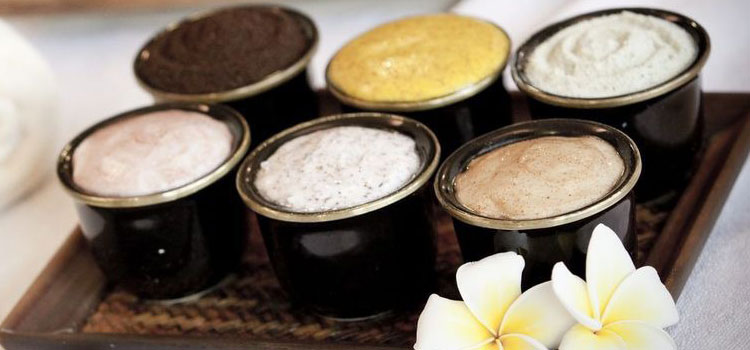
Clay in cosmetics
Clay owes its value to a balanced content of trace elements and mineral salts. Its main cosmetic property is adsorption: clay soaks up excess sebum and impurities, so clay masks cleanse and mattify the skin well. Blue clay, such as our Cambrian blue clay, suits oily and combination skin, while white kaolin is milder and works even for sensitive skin.
How to check clay quality
Cosmetic clay should be clean, with no sand or soil in it. Testing is easy: wet a little clay and try to mould any shape. Good clay is easy to shape and holds its form, while poor clay crumbles and will not cooperate.
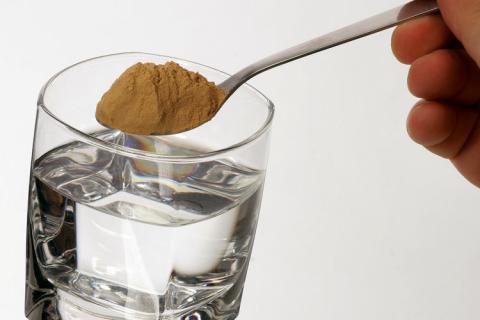
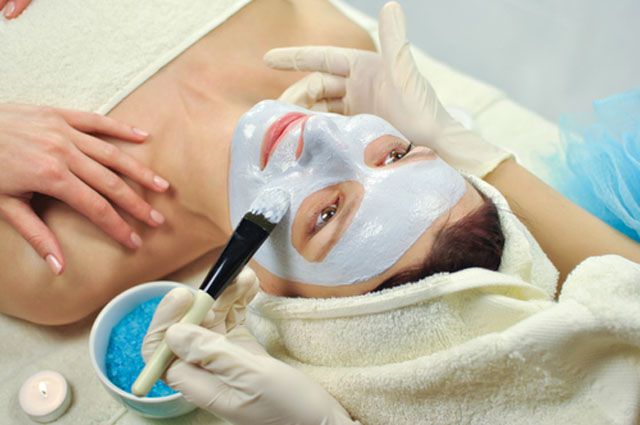
How to make clay masks
Mix the powder with water, ideally distilled, to the texture of thick sour cream and spread it evenly over cleansed skin. Do not let the mask dry out completely: rinse it off with warm water while still slightly damp and follow with a moisturiser. Each portion of clay is used only once.
Clay also goes into scrubs, wraps and body masks. For a ready recipe, see our clay mask for deep cleansing. We do not recommend taking clay internally; if you have health questions, see a doctor.
FAQ
Which clay is best for oily skin?
Blue clay, as it absorbs excess sebum well and mattifies.
Which clay suits sensitive skin?
White kaolin, the mildest of the cosmetic clays.
Can mixed clay be reused?
No, each portion of clay is used only once.





