-
 DIY: Video master classes
-
 Aromatherapy
-
 Felting master classes
-
 Eating at home
-
 DIY cosmetics for children
-
 Cooking recipes
-
 Detergents, cleaning products with your own hands
-
 Soap making as a business
-
 Natural cosmetics. Raw materials for cosmetics and soap.
-
 Natural oils in cosmetics
-
 News
-
 Recipes for balms and conditioners
-
 Bath Bomb Recipes
-
 Cream recipes. Cream making.
-
 Lotion recipes. Gel recipes.
-
 Mask recipes
-
 Soap recipes. Base soap. Soap from scratch.
-
 Recipes for all occasions
-
 Natural shampoo recipes
-
 Healthy Nutrition Recipes
-
 Scrub recipes. Massage tiles. Ubtan
-
 DIY candles
-
 Reference materials, questions, tips
-
 Startup - soap production
-
 Hair care. Tips, recipes
-
 Facial skin care. Cleansers.
-
 Body care. Tips, recipes
-
 Photo Reviews
-
 Chocolate Handmade
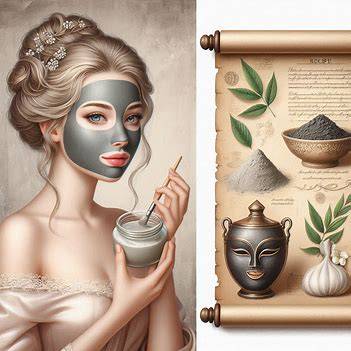
Pure Clay Mask - a clay-based mask for deep cleansing and moisturizing of the skin
 In the realm of skincare, where the quest for radiant, healthy skin is eternal, natural remedies often stand out. Among these, clay masks have long been revered for their ability to cleanse, detoxify, and rejuvenate the skin. This article delves into the world of pure clay masks, exploring their composition, benefits, and three detailed recipes for you to try at home.
The Power of Clay
Clay, a natural mineral, is renowned for its absorbent properties. It's composed of tiny particles that can penetrate deep into the pores, drawing out impurities, excess oil, and dead skin cells. This cleansing action helps to unclog pores, reduce acne, and improve skin texture.
Beyond its cleansing abilities, clay also possesses moisturizing properties. When used in combination with hydrating ingredients, it can help to balance the skin's oil production and prevent dryness. This makes clay masks suitable for a wide range of skin types, from oily to dry.
Key Benefits of Pure Clay Masks
- Deep cleansing: Removes impurities and unclogs pores.
- Exfoliation: Gently removes dead skin cells, promoting a smoother complexion.
- Oil control: Helps to balance oil production and reduce shine.
- Mineral-rich: Provides essential minerals to nourish the skin.
- Improved skin texture: Can help to refine pores and reduce the appearance of blemishes.
Choosing the Right Clay
Not all clays are created equal. The type of clay you choose can influence the specific benefits you'll experience. Here are some popular options:
- Kaolin clay: Known for its gentle exfoliating properties, kaolin is suitable for sensitive skin.
- Bentonite clay: A highly absorbent clay that is effective for deep cleansing and oil control.
- Rhassoul clay: Rich in minerals, rhassoul clay can help to soften and hydrate the skin.
Creating Your Perfect Clay Mask
Now that you understand the basics, let's dive into three detailed recipes for pure clay masks:
1. Bentonite Clay and Honey Mask
Ingredients:
- 1 tablespoon bentonite clay
- 1 teaspoon raw honey
- 1 teaspoon apple cider vinegar
Instructions:
- In a small bowl, combine the bentonite clay, honey, and apple cider vinegar.
- Stir until smooth, adding a few drops of water if necessary to achieve a thick paste.
- Apply the mask evenly to your clean face, avoiding the eye area.
- Allow the mask to dry completely, then gently rinse with warm water.
This mask is ideal for oily skin and helps to absorb excess oil while providing a gentle exfoliation.
2. Kaolin Clay and Avocado Mask
Ingredients:
- 1 tablespoon kaolin clay
- 1/4 avocado, mashed
- 1 teaspoon lemon juice
Instructions:
- In a bowl, combine the kaolin clay, mashed avocado, and lemon juice.
- Mix until well combined and apply to your clean face.
- Leave the mask on for 15-20 minutes, then rinse with warm water.
This hydrating mask is perfect for dry and sensitive skin. The avocado provides essential fatty acids, while the lemon juice helps to brighten the complexion.
3. Rhassoul Clay and Rosewater Mask
Ingredients:
- 1 tablespoon rhassoul clay
- 1 tablespoon rosewater
- 1 teaspoon aloe vera gel
 Instructions:
- In a bowl, combine the rhassoul clay, rosewater, and aloe vera gel.
- Mix until smooth and apply to your clean face.
- Leave the mask on for 15-20 minutes, then rinse with warm water.
This soothing mask is suitable for all skin types and helps to hydrate, tone, and balance the skin.
Additional Tips
- Patch test: Before applying a new clay mask, do a patch test on a small area of skin to check for any allergic reactions.
- Frequency: Use clay masks once or twice a week, depending on your skin type and needs.
- Hydration: After using a clay mask, apply a moisturizer to hydrate your skin.
- Customization: Feel free to experiment with different ingredients to create your own unique clay mask.
Conclusion
Pure clay masks offer a natural and effective way to cleanse, nourish, and rejuvenate your skin. By understanding the benefits of different types of clay and following the recipes provided, you can incorporate this ancient beauty ritual into your skincare routine.





