
-
 DIY: Video master classes
-
 Aromatherapy
-
 Felting master classes
-
 Eating at home
-
 DIY cosmetics for children
-
 Cooking recipes
-
 Detergents, cleaning products with your own hands
-
 Soap making as a business
-
 Natural cosmetics. Raw materials for cosmetics and soap.
-
 Natural oils in cosmetics
-
 News
-
 Recipes for balms and conditioners
-
 Bath Bomb Recipes
-
 Cream recipes. Cream making.
-
 Lotion recipes. Gel recipes.
-
 Mask recipes
-
 Soap recipes. Base soap. Soap from scratch.
-
 Recipes for all occasions
-
 Natural shampoo recipes
-
 Healthy Nutrition Recipes
-
 Scrub recipes. Massage tiles. Ubtan
-
 DIY candles
-
 Reference materials, questions, tips
-
 Startup - soap production
-
 Hair care. Tips, recipes
-
 Facial skin care. Cleansers.
-
 Body care. Tips, recipes
-
 Photo Reviews
-
 Chocolate Handmade
Soap with Lavender
Good day, my dear soap makers! The weekend is over, and I made lots of pretty soap that I will tell you about in time. Today, though, it is a lavender soap class. Everyone loves this scent, familiar since childhood. I was in a spring mood with the sun shining, so I decided to make it layered.
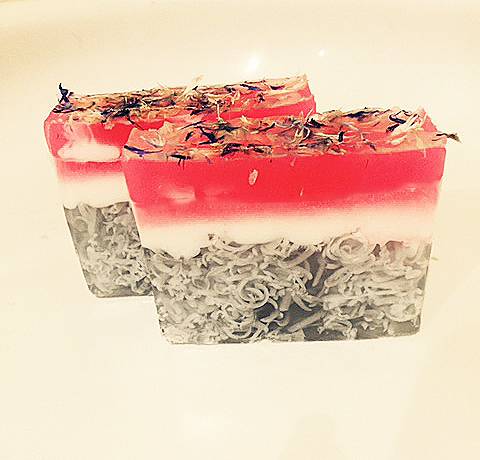
What you need
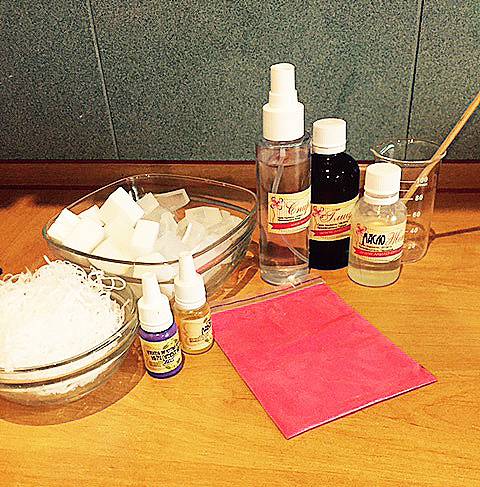
White and clear English base, bright pink pigment, glycerine, Lavender fragrance, dried lavender flowers, blue and red gel colourants, optional Pink colourant, refined jojoba oil, tamarind seed oil, Spirtol, a grater, a heatproof cup, a stirring rod and a loaf mould.
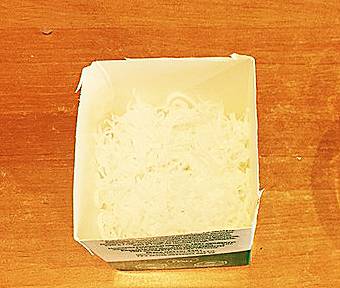
I had no mould to hand, so I cut down an empty cream carton to the length I needed, and there was my DIY mould.
Layers
Finely grate some white base into the mould, spritzing it with Spirtol. Melt part of the clear base, add fragrance, oil, squalane and blue and red colourants for a lilac shade and pour.
Melt the remaining bases. Rub the pink pigment into glycerine until smooth and lump free, then colour the clear base. Score the set layer lightly and slowly pour the white and pink bases from two cups at once so the layers do not blend.
Once set, score again, pour the remaining pink base and sprinkle generously with dried lavender. A few hours later, unmould and slice. Do not be afraid to try new colours and shades!
FAQ
What can I use instead of a loaf mould?
A cut down cream carton.
How do I mix dry pigment?
Rub it into glycerine until smooth and lump free.
How do I keep layers neat?
Score between layers and pour slowly.





