-
 DIY: Video master classes
-
 Aromatherapy
-
 Felting master classes
-
 Eating at home
-
 DIY cosmetics for children
-
 Cooking recipes
-
 Detergents, cleaning products with your own hands
-
 Soap making as a business
-
 Natural cosmetics. Raw materials for cosmetics and soap.
-
 Natural oils in cosmetics
-
 News
-
 Recipes for balms and conditioners
-
 Bath Bomb Recipes
-
 Cream recipes. Cream making.
-
 Lotion recipes. Gel recipes.
-
 Mask recipes
-
 Soap recipes. Base soap. Soap from scratch.
-
 Recipes for all occasions
-
 Natural shampoo recipes
-
 Healthy Nutrition Recipes
-
 Scrub recipes. Massage tiles. Ubtan
-
 DIY candles
-
 Reference materials, questions, tips
-
 Startup - soap production
-
 Hair care. Tips, recipes
-
 Facial skin care. Cleansers.
-
 Body care. Tips, recipes
-
 Photo Reviews
-
 Chocolate Handmade
Secrets of soap making
Making soap is an exciting yet tricky process. Beginners taking their first steps often do not know where to start. A few simple tips will help you avoid mistakes and enjoy it more.

Where to start with no experience
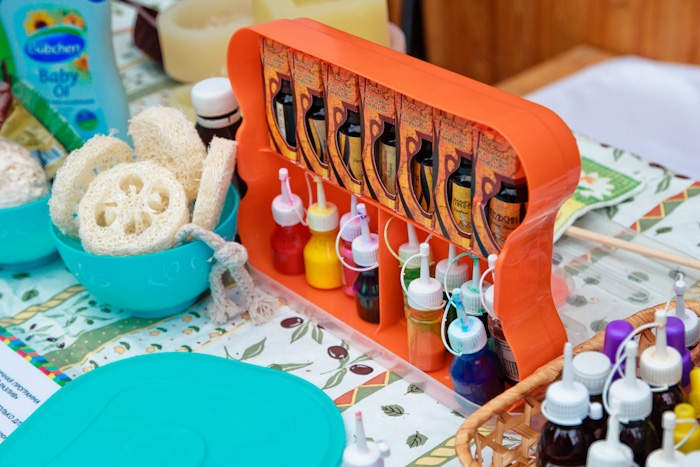
The first thing is the right equipment. A beginner's kit needs accurate scales and dedicated utensils from our tools section. Lab glassware is ideal, but for a hobby ordinary kitchenware is fine as long as it is used only for soap. When working with lye, protect your face and hands with gloves and goggles.
Secrets of perfect soap
Work without pauses while making soap. Beginners should choose double boiler recipes, as the process is easier to control. Heat base only once: it loses moisture every time it is heated, which spoils the look of the soap. The easiest start is a quality English soap base.
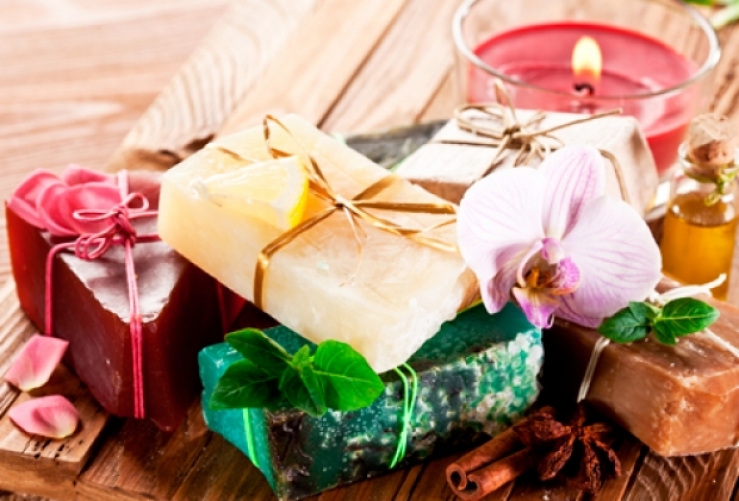
Moderation is the key to good soap. Many beginners add too much oil, leaving the soap greasy and low on lather. Do not swap specialist additives for home substitutes. Add herbs to melted base in bags or already dried. A mild surfactant helps with foam.
Rub colourants into carrier oil and add them drop by drop with a stick. Add fragrances and scent oils to base that has cooled slightly, so the scent survives. Another surfactant works for texture. With these little secrets you will handle even complex recipes!
FAQ
What does a beginner need first?
Accurate scales, dedicated utensils and protective gear.
Why not reheat base several times?
It loses moisture and the soap looks worse.
When should I add fragrance?
To slightly cooled base, so the scent survives.





