-
 DIY: Video master classes
-
 Aromatherapy
-
 Felting master classes
-
 Eating at home
-
 DIY cosmetics for children
-
 Cooking recipes
-
 Detergents, cleaning products with your own hands
-
 Soap making as a business
-
 Natural cosmetics. Raw materials for cosmetics and soap.
-
 Natural oils in cosmetics
-
 News
-
 Recipes for balms and conditioners
-
 Bath Bomb Recipes
-
 Cream recipes. Cream making.
-
 Lotion recipes. Gel recipes.
-
 Mask recipes
-
 Soap recipes. Base soap. Soap from scratch.
-
 Recipes for all occasions
-
 Natural shampoo recipes
-
 Healthy Nutrition Recipes
-
 Scrub recipes. Massage tiles. Ubtan
-
 DIY candles
-
 Reference materials, questions, tips
-
 Startup - soap production
-
 Hair care. Tips, recipes
-
 Facial skin care. Cleansers.
-
 Body care. Tips, recipes
-
 Photo Reviews
-
 Chocolate Handmade
Natural soap from scratch
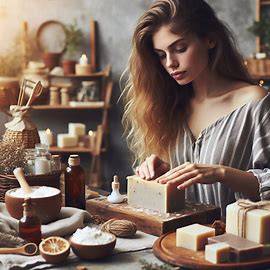
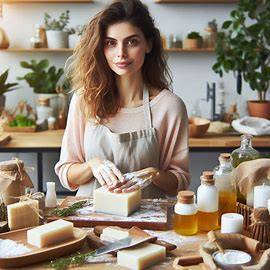 Creating your own natural soap is a rewarding and fulfilling experience that allows you to customize your skincare routine and enjoy the benefits of handmade products. With a little time, patience, and the right ingredients, you can craft beautiful and effective soaps that are gentle on your skin and free from harsh chemicals.
Understanding the Basics of Soap Making
Before diving into the recipes, let's explore the fundamental principles of soap making. The process involves combining oils or fats with a lye solution (sodium hydroxide or potassium hydroxide). When these two substances react, they undergo a chemical process called saponification, which produces soap and glycerin.
Key Ingredients:
- Oils and Fats: The choice of oils and fats will determine the properties of your soap, such as its hardness, lather, and moisturizing qualities. Popular options include olive oil, coconut oil, palm oil, shea butter, and castor oil.
- Lye: This is a strong alkaline substance that reacts with the oils to create soap. Always handle lye with extreme caution and wear protective gear.
- Water: Distilled water is recommended for soap making as it is free from impurities.
Essential Equipment
- Soap mold: Choose a mold that suits your desired shape and size.
- Scale: A precise scale is essential for measuring the oils and lye accurately.
- Thermometer: To monitor the temperature of the oils and lye mixture.
- Blender or immersion blender: For mixing the oils and lye.
- Protective gear: Wear gloves, goggles, and long sleeves when handling lye.
Safety First
- Always wear protective gear: Lye is a strong chemical and can cause severe burns if handled improperly.
- Work in a well-ventilated area: The fumes from lye can be irritating.
- Keep children and pets away: Lye is extremely dangerous if ingested.
Recipe 1: Classic Castile Soap
This is a basic recipe that produces a gentle and versatile soap.
Ingredients:
- 10 ounces olive oil
- 4 ounces coconut oil
- 4 ounces castor oil
- 4 ounces lye
- 12 ounces distilled water
Instructions:
- Prepare the lye solution: Dissolve the lye in the distilled water. Allow the solution to cool to room temperature before using.
- Mix the oils: Combine the olive oil, coconut oil, and castor oil in a heat-resistant container.
- Combine the lye solution and oils: Slowly pour the cooled lye solution into the oil mixture, stirring constantly.
- Trace: Continue stirring until the mixture reaches trace, which means it thickens and starts to hold its shape when you drizzle it from a spoon.
- Pour into mold: Pour the traced mixture into your soap mold.
- Curing: Allow the soap to cure for at least 4-6 weeks before using. This process allows the soap to harden and mature.
Recipe 2: Lavender and Honey Soap
This recipe creates a luxurious and fragrant soap with soothing properties.
Ingredients:
- 8 ounces olive oil
- 4 ounces coconut oil
- 2 ounces shea butter
- 4 ounces lye
- 12 ounces distilled water
- 1/4 cup dried lavender
- 1 tablespoon honey
Instructions:
Follow the same instructions as for the classic Castile soap recipe. Add the dried lavender and honey to the traced mixture before pouring it into the mold.
 Recipe 3: Oatmeal and Tea Tree Oil Soap
This recipe is ideal for those with sensitive or acne-prone skin.
Ingredients:
- 8 ounces olive oil
- 4 ounces coconut oil
- 2 ounces castor oil
- 4 ounces lye
- 12 ounces distilled water
- 1/4 cup ground oatmeal
- 10 drops tea tree oil
Instructions:
Follow the same instructions as for the classic Castile soap recipe. Add the ground oatmeal and tea tree oil to the traced mixture before pouring it into the mold.
Tips for Successful Soap Making:
- Weigh your ingredients accurately: Even a slight discrepancy in measurements can affect the outcome of your soap.
- Be patient: The curing process is essential for the soap to mature and develop its properties.
- Experiment with different oils and additives: Try different combinations of oils and add-ins to create unique and customized soaps.
- Store your soap properly: Keep your soap in a cool, dry place to prevent it from becoming rancid.
With a little practice and experimentation, you can create beautiful and functional natural soaps that are perfect for your skincare routine or as thoughtful gifts for loved ones.





