-
 DIY: Video master classes
-
 Aromatherapy
-
 Felting master classes
-
 Eating at home
-
 DIY cosmetics for children
-
 Cooking recipes
-
 Detergents, cleaning products with your own hands
-
 Soap making as a business
-
 Natural cosmetics. Raw materials for cosmetics and soap.
-
 Natural oils in cosmetics
-
 News
-
 Recipes for balms and conditioners
-
 Bath Bomb Recipes
-
 Cream recipes. Cream making.
-
 Lotion recipes. Gel recipes.
-
 Mask recipes
-
 Soap recipes. Base soap. Soap from scratch.
-
 Recipes for all occasions
-
 Natural shampoo recipes
-
 Healthy Nutrition Recipes
-
 Scrub recipes. Massage tiles. Ubtan
-
 DIY candles
-
 Reference materials, questions, tips
-
 Startup - soap production
-
 Hair care. Tips, recipes
-
 Facial skin care. Cleansers.
-
 Body care. Tips, recipes
-
 Photo Reviews
-
 Chocolate Handmade
Castile Soap
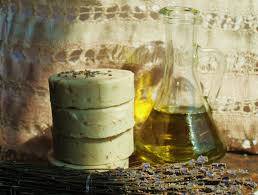
Good day, dear soap making friends! Soap making is an ancient tradition, and every era has left us recipes that are still treasured today. Today let us talk about Castile soap.
History
This soap is rightly called royal. The first mentions of it appear in 16th century export lists. Originally only soap made from the olive oil of the Spanish region of Castile was called Castile. Local soap makers adopted Syrian traditions and created their own recipe from the best thing they had: first pressed olive oil, which was highly prized.
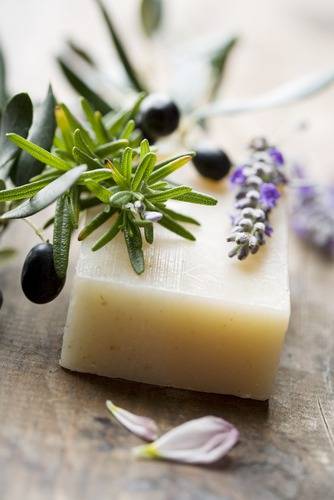
As the chemical industry grew and cheap detergents appeared, it was forgotten for a long time. Even now it is not often sold, and it costs much more than other soaps. Raw materials matter enormously, since olive oil is the heart of the recipe. Some makers include olive extract to enhance the qualities.
What it is like
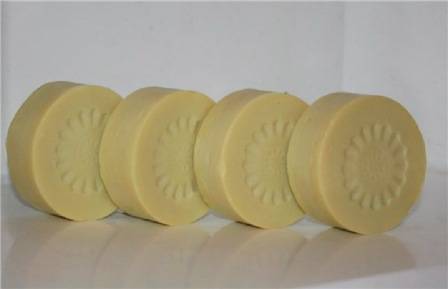
Once you have held a bar of Castile soap, you will not mistake it for anything else. It gives a little fine, soft, creamy lather and takes a moment to get going, because it contains no surfactants. Thanks to olive oil it is very gentle on skin.
Recipe
The recipe is based on olive oil with a small share of refined coconut oil from our carrier oils, distilled water and a modest superfat, with the lye and other amounts worked out in a lye calculator. You can buy lye in our catalog.
Combine the oils, melt them in a double boiler and let them cool. Measure the water and, with every safety precaution, add the lye to it. The lye and oils should be at roughly the same temperature. Combine them, bring to trace and pour into a wooden mould. The soap then needs a long time to mature.
I wish you, my adventurers on the endless ocean of soap making, successful trials and experiments!
FAQ
Why is Castile soap called royal?
It has long been prized for its quality and was made from the finest Castilian olive oil.
Why does it lather so little?
It has no surfactants, so the lather is fine, soft and slow to build.
How do I work out the lye?
Use a lye calculator for your oil blend.