
-
 DIY: Video master classes
-
 Aromatherapy
-
 Felting master classes
-
 Eating at home
-
 DIY cosmetics for children
-
 Cooking recipes
-
 Detergents, cleaning products with your own hands
-
 Soap making as a business
-
 Natural cosmetics. Raw materials for cosmetics and soap.
-
 Natural oils in cosmetics
-
 News
-
 Recipes for balms and conditioners
-
 Bath Bomb Recipes
-
 Cream recipes. Cream making.
-
 Lotion recipes. Gel recipes.
-
 Mask recipes
-
 Soap recipes. Base soap. Soap from scratch.
-
 Recipes for all occasions
-
 Natural shampoo recipes
-
 Healthy Nutrition Recipes
-
 Scrub recipes. Massage tiles. Ubtan
-
 DIY candles
-
 Reference materials, questions, tips
-
 Startup - soap production
-
 Hair care. Tips, recipes
-
 Facial skin care. Cleansers.
-
 Body care. Tips, recipes
-
 Photo Reviews
-
 Chocolate Handmade
What oil to buy for home cosmetics. Oil harm or benefit?
Each skin type requires an individual approach to care, and home cosmetics lets you address all specifics. In the reference materials section Knowing how to distinguish skin types helps create products that nourish, cleanse and enrich the skin with beneficial substances. Oils hold a special place among such products, yet most of them do not provide enough moisture, so excessive use may upset the balance.
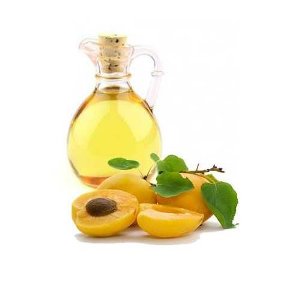
Selecting oils according to skin type
Studies show that argan oil suits nearly all skin types, while tamarind seed oil and macadamia oil are often chosen for their fatty acid profiles. Oily skin responds well to jojoba, grape seed and hazelnut oils. Dry skin benefits from apricot kernel, almond, wheat germ, olive and soy oils. Fresh 2026 discussions highlight argan and jojoba as non-comedogenic options, whereas coconut oil should be patch tested first because it can clog pores for some users.
Recipe for a firming mask with sea buckthorn oil
Sea buckthorn oil nourishes dry skin excellently and helps restore elasticity. To prepare the mask take one teaspoon of sea buckthorn oil, one egg yolk and half a tablespoon of yellow cosmetic clay. First break a raw egg, separate the yolk and beat it thoroughly. Without stopping the beating add sea buckthorn oil, then introduce the clay powder. Once a homogeneous consistency is reached the mask is ready. Apply it to clean skin for ten minutes, rinse first with warm then cool water. The optimal frequency is twice a week, and visible results appear after several sessions.
FAQ
Can oils be used daily?
Yes, but always consider skin type and reaction to prevent over-nourishment.
Which oil suits mature skin best?
Sea buckthorn and almond oils are frequently chosen for their nourishing qualities.
Do new rules affect raw material choice?
Updated requirements for cosmetic compositions stress quality and safety of ingredients.
How to store homemade oil masks?
Prepare small batches and use them fresh within one or two days.





