
-
 DIY: Video master classes
-
 Aromatherapy
-
 Felting master classes
-
 Eating at home
-
 DIY cosmetics for children
-
 Cooking recipes
-
 Detergents, cleaning products with your own hands
-
 Soap making as a business
-
 Natural cosmetics. Raw materials for cosmetics and soap.
-
 Natural oils in cosmetics
-
 News
-
 Recipes for balms and conditioners
-
 Bath Bomb Recipes
-
 Cream recipes. Cream making.
-
 Lotion recipes. Gel recipes.
-
 Mask recipes
-
 Soap recipes. Base soap. Soap from scratch.
-
 Recipes for all occasions
-
 Natural shampoo recipes
-
 Healthy Nutrition Recipes
-
 Scrub recipes. Massage tiles. Ubtan
-
 DIY candles
-
 Reference materials, questions, tips
-
 Startup - soap production
-
 Hair care. Tips, recipes
-
 Facial skin care. Cleansers.
-
 Body care. Tips, recipes
-
 Photo Reviews
-
 Chocolate Handmade
How to introduce a child to the process of soap making?
Soap making has long been more than just a way to earn money, and it has become a pleasant family hobby that can be passed on to children. Modern parents often look for activities that combine creativity with practical skills, and soap making fits this purpose perfectly. In 2026 special children’s kits appeared that make first attempts much easier.
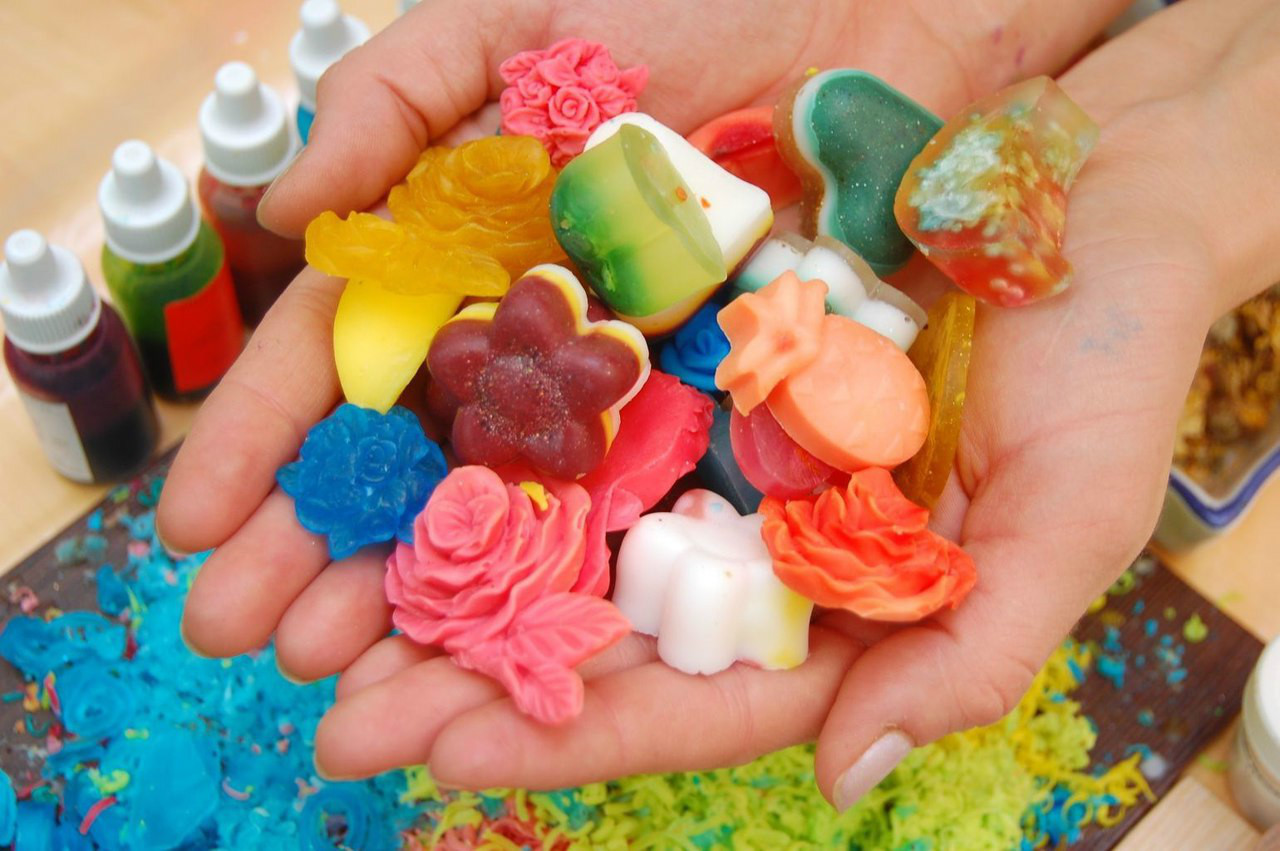
Why it makes sense to involve kids
Once a child reaches an age when they can safely help with molds or ready bases, the activity brings several advantages at once. The youngster gains an engaging hobby that reduces screen time, and learns to plan and finish tasks. In addition, soap-making skills may prove useful later, when the child wants to earn pocket money or create gifts for friends.
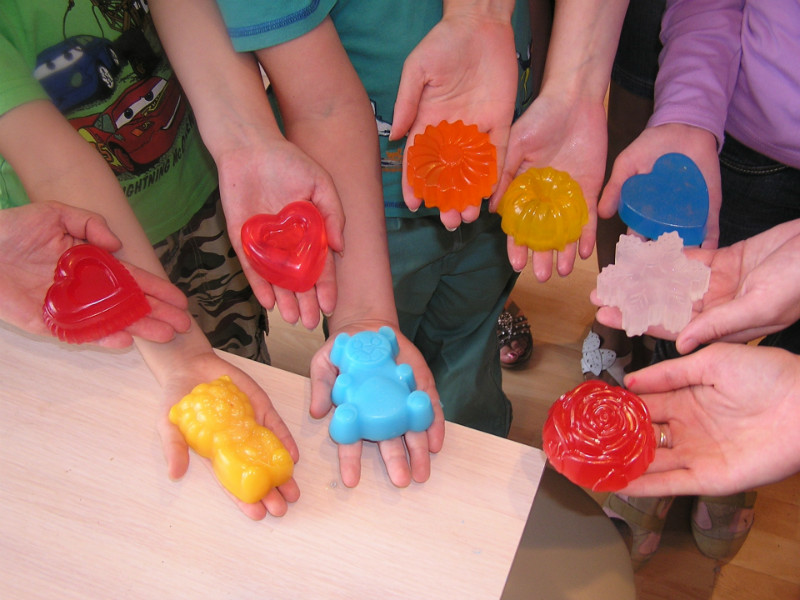
Many parents notice that joint soap making strengthens family bonds and teaches responsible money handling, because the child sees the whole path from buying ingredients to selling the finished product. In the reference materials section for parents about hobbies you can find more ideas for first sessions.
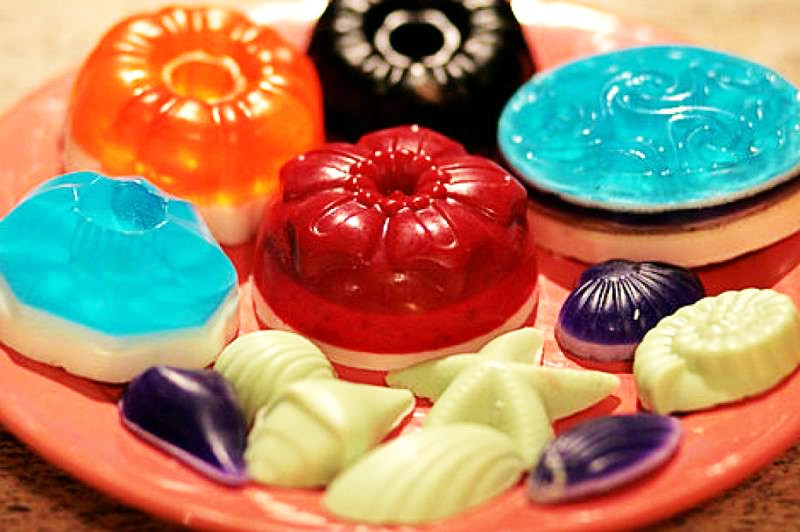
How to spark interest in the process
Start by explaining that the child will be able to create beautiful bars as gifts and even sell them. Show examples of colorful soap online, and mention current kids’ kits with spider or worm molds, where an adult only melts the base. Recent eco workshops demonstrated that children enjoy working with natural additives under supervision.
Add fragrance oils such as Pacific Chill Louis Vuitton Fragrance Oil so the bars smell nice and appeal to the child. You can also use Mon Paris YSL Fragrance Oil to create favorite scents. Choosing a quality base like Cremer MP 601 soap base makes the process simpler and safer.
First joint projects
Begin with clear or white bases, add colorants and image transfers that the child can apply. The youngster can choose the shape and decorations independently, and the result will be ready the same day. Such activities develop creativity and give a sense of pride in the finished work.
Over time the child may create a personal social media page to show the bars and even sell them. This becomes a first step toward understanding business and financial literacy. First steps from hobby to business will help parents prepare for these conversations.
FAQ
At what age can children start?
Children from five years old can already help with molds and decorations while an adult handles melting the base. Simple recipes without complex steps work best.
What materials are needed for the first try?
A clear or white base, a few colorants, molds and fragrance oils are enough. All of these are easy to find in specialized shops.
Can children’s soap be sold?
Yes, many families begin with small batches for friends and gradually expand sales.





