-
 DIY: Video master classes
-
 Aromatherapy
-
 Felting master classes
-
 Eating at home
-
 DIY cosmetics for children
-
 Cooking recipes
-
 Detergents, cleaning products with your own hands
-
 Soap making as a business
-
 Natural cosmetics. Raw materials for cosmetics and soap.
-
 Natural oils in cosmetics
-
 News
-
 Recipes for balms and conditioners
-
 Bath Bomb Recipes
-
 Cream recipes. Cream making.
-
 Lotion recipes. Gel recipes.
-
 Mask recipes
-
 Soap recipes. Base soap. Soap from scratch.
-
 Recipes for all occasions
-
 Natural shampoo recipes
-
 Healthy Nutrition Recipes
-
 Scrub recipes. Massage tiles. Ubtan
-
 DIY candles
-
 Reference materials, questions, tips
-
 Startup - soap production
-
 Hair care. Tips, recipes
-
 Facial skin care. Cleansers.
-
 Body care. Tips, recipes
-
 Photo Reviews
-
 Chocolate Handmade
Diet - lifestyle or temporary inconvenience?
The word diet comes from Greek and originally meant a way of life, or a set of eating rules. These rules cover the chemical makeup of foods, calorie content, cooking methods, meal frequency, and other details. Healthy eating is essentially one form of diet, and the choice of regimen depends on age, gender, physical activity, profession, and climate.

Modern understanding of diet and its duration
Today many see diet mainly as a fast way to lose weight right now, rather than as lasting habits. Quick methods deliver visible change in a short time, yet recent observations show that steady shifts in eating bring better outcomes for skin appearance. Avoiding sugar, salt, and alcohol for several weeks helps achieve firmer texture and a smoother look, when these choices become part of regular nutrition instead of a brief restriction. More tips on the topic can be found in the reference materials section.
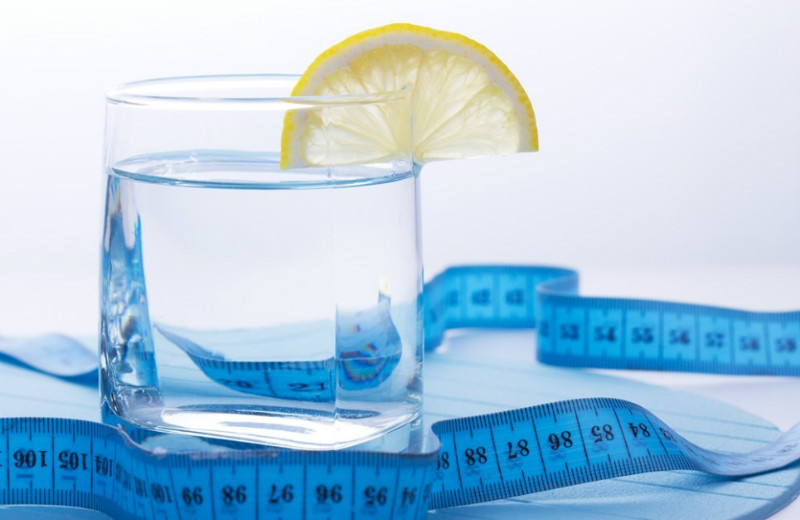
The water diet as an easy option for a few weeks
The water diet ranks among popular approaches for those seeking results without strict limits. Water acts as a natural cleanser, hydrates the body, and helps remove unwanted substances. It is enough to skip baked goods, starchy items, fried meat, sweet drinks, and alcohol, while keeping the rest of the menu familiar. Mixed tocopherols and coenzyme Q10 with vitamins fit well when thinking about daily nutrition that supports skin.
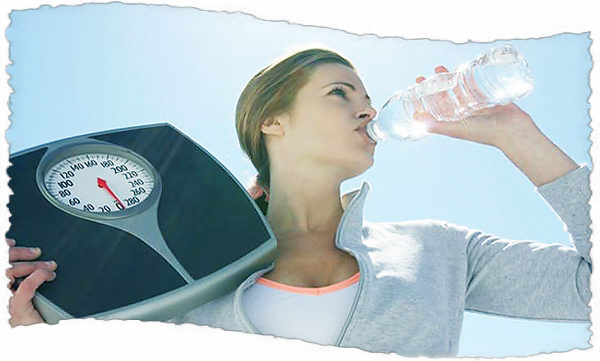
The rules stay simple: start the morning with two glasses of water, eat breakfast no earlier than half an hour later, and do not wash food down. Drink 350-400 ml of water half an hour before lunch or dinner, and allow other beverages only one and a half to two hours after meals. The average daily volume is two to three liters of purified still water at room temperature.
Daily schedule of water and meals
A typical day runs as follows: at seven in the morning two glasses of water, at seven twenty breakfast, at ten thirty a favorite sugar-free drink, at one thirty two glasses of water, at one fifty lunch, at five oclock a sugar-free drink, at six thirty two glasses of water, at six fifty dinner, at nine oclock a sugar-free drink. The course usually lasts two to three weeks, and the result starts from five to eight kilograms.
Why water supports visible change
Water helps reduce hunger, fills the stomach without calories, and activates metabolic processes. Fat breakdown speeds up, and excess volume gradually decreases. After finishing such a period it is enough to follow balanced eating and add movement to keep the outcome.
FAQ
Can the water diet be combined with other habits?
Yes, the water diet adapts easily to everyday eating without abrupt changes. It pairs well with adding vegetables, fruits, and greens.
How long does the effect last after the course?
The effect holds longer when avoiding sugar, salt, and alcohol turns into a steady habit rather than a short break.
Is this approach suitable for everyone?
The approach suits most people, yet individual features should be considered and a specialist consulted before starting.
What drinks are allowed instead of water?
Sugar-free tea or other calorie-free beverages are allowed, provided the time intervals are observed.





