-
 DIY: Video master classes
-
 Aromatherapy
-
 Felting master classes
-
 Eating at home
-
 DIY cosmetics for children
-
 Cooking recipes
-
 Detergents, cleaning products with your own hands
-
 Soap making as a business
-
 Natural cosmetics. Raw materials for cosmetics and soap.
-
 Natural oils in cosmetics
-
 News
-
 Recipes for balms and conditioners
-
 Bath Bomb Recipes
-
 Cream recipes. Cream making.
-
 Lotion recipes. Gel recipes.
-
 Mask recipes
-
 Soap recipes. Base soap. Soap from scratch.
-
 Recipes for all occasions
-
 Natural shampoo recipes
-
 Healthy Nutrition Recipes
-
 Scrub recipes. Massage tiles. Ubtan
-
 DIY candles
-
 Reference materials, questions, tips
-
 Startup - soap production
-
 Hair care. Tips, recipes
-
 Facial skin care. Cleansers.
-
 Body care. Tips, recipes
-
 Photo Reviews
-
 Chocolate Handmade
Serum Butter
During colder months it becomes especially important to give body skin soft and nourishing care that helps maintain comfort and elasticity. Among the ingredients for such care butters hold a special place thanks to their texture and deep moisturising ability. Butters are solid plant oils with a melting point starting from thirty degrees that resemble regular base oils yet differ in consistency. They work well for massage bars, lip balms and rich creams for dry skin. Butters from our store work perfectly. In our natural cosmetics section natural cosmetics section you can discover more ideas for similar products.
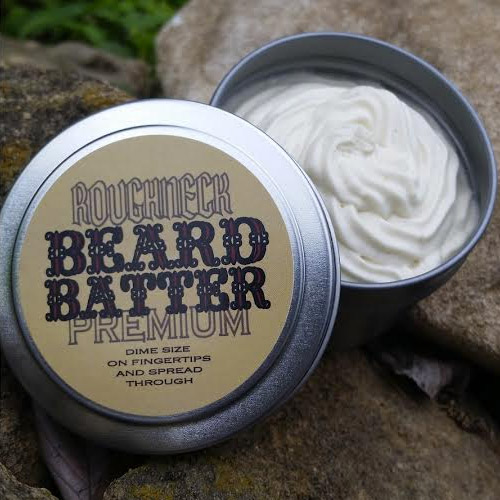
Types of butters and their properties
Butters fall into two main categories. The first includes fully organic products obtained by cold pressing from a single raw material such as coconut oil, shea, cocoa, mango, cupuacu or palm. These oils naturally have a higher melting point. The second type is created by blending liquid unrefined oils with hydrogenated ones, which makes it possible to obtain butters from almost any liquid oil. Organic butters are known for preserving beneficial substances, and stearic acid in their composition often removes the need for extra thickeners. Oleic acid combined with phytosterols and triterpene esters helps skin appear fresher and better moisturised. Each butter has its own traits: cocoa holds shape well in solid bars and balms, while virgin cocoa adds appeal in gourmet cosmetic lines. Shea and mango protect skin from excessive dryness, and cupuacu cares nicely for coloured hair. Coconut oil offers a light cooling sensation, so it suits summer use better. For winter, avocado oil works well when applied to feet at bedtime and left under socks. All butters are applied only to dry skin to prevent rolling. In many recipes they combine nicely with Neossance Squalane and Mixed Tocopherols that complement the nourishing qualities of the butters.
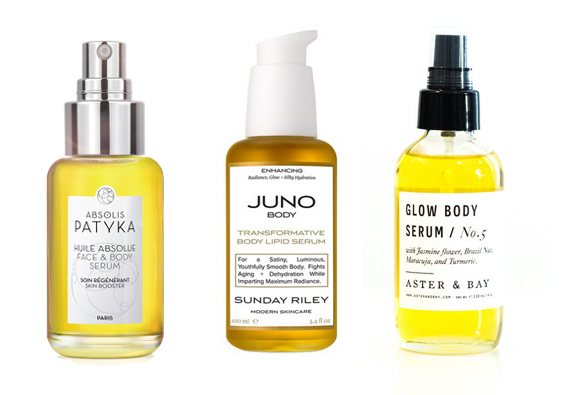
Recipe for anticellulite body butter serum
To prepare the body butter serum take ten grams each of coconut, mango, cocoa and passionfruit butters for a total of forty grams, add ten millilitres of ginger oil, one millilitre of rosemary essential oil, zero point four millilitres of cedar, one point five millilitres of lemon, zero point three millilitres of geranium, zero point three millilitres of cinnamon, zero point one gram of raspberry ketone and zero point twenty five grams of oily vitamin A. First melt the cocoa and coconut butters, introduce the raspberry ketone, then add the remaining oils and mix thoroughly. Finally add the essential oils and vitamin A. The finished product can be used for massage of problem areas so that skin looks better cared for. Similar approaches appear in recipes for anti-aging serum with retinol and peptides.
FAQ
How should the body butter serum be stored?
Keep the product in a cool place away from direct sunlight in a tightly closed container to preserve texture and aroma.
Can the proportions in the recipe be changed?
Proportion changes are possible yet it is important to keep the overall amount of oils and essential components to maintain texture stability.
On which skin is the butter best applied?
The body butter serum is recommended for dry body skin after showering or before bedtime for better absorption.
How long does preparation take?
Preparation takes around fifteen minutes once all components are ready in advance.