
-
 DIY: Video master classes
-
 Aromatherapy
-
 Felting master classes
-
 Eating at home
-
 DIY cosmetics for children
-
 Cooking recipes
-
 Detergents, cleaning products with your own hands
-
 Soap making as a business
-
 Natural cosmetics. Raw materials for cosmetics and soap.
-
 Natural oils in cosmetics
-
 News
-
 Recipes for balms and conditioners
-
 Bath Bomb Recipes
-
 Cream recipes. Cream making.
-
 Lotion recipes. Gel recipes.
-
 Mask recipes
-
 Soap recipes. Base soap. Soap from scratch.
-
 Recipes for all occasions
-
 Natural shampoo recipes
-
 Healthy Nutrition Recipes
-
 Scrub recipes. Massage tiles. Ubtan
-
 DIY candles
-
 Reference materials, questions, tips
-
 Startup - soap production
-
 Hair care. Tips, recipes
-
 Facial skin care. Cleansers.
-
 Body care. Tips, recipes
-
 Photo Reviews
-
 Chocolate Handmade
Blush with your own hands.
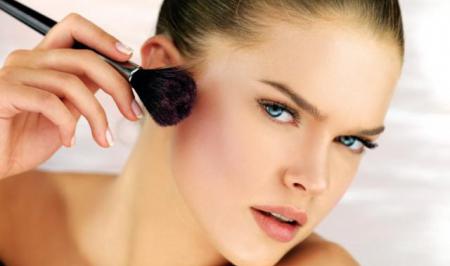
Blush has long been an essential makeup item, because it refreshes the face with just a few brush strokes. In our natural cosmetics raw materials section you will find many ideas for home made products, and you can also source quality components such as anhydrous lanolin for your own experiments.
The story behind blush through the ages
From ancient times people sought to highlight facial beauty with color on the cheeks. In ancient Egypt plant juices and ochre served this purpose, while in Greece and Rome makeup became part of daily life for both women and men. During the Middle Ages pale complexions were fashionable, so blush fell out of use for a while, yet it returned during the Renaissance as a sign of a healthy and vibrant appearance.
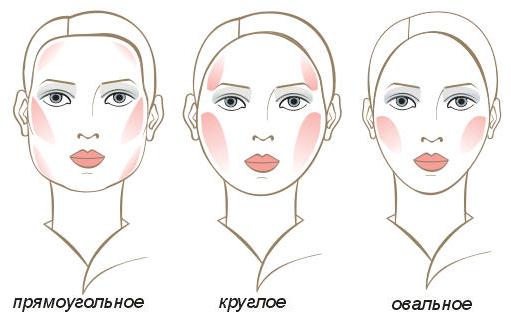
In old Rus common women often used beet or cranberry juice, although such makeup looked quite intense and sometimes masked natural features. Over time various pigments appeared in historical recipes, and in the eighteenth century artisans developed more than thirty five varieties of blush. In the nineteenth century pressed versions emerged that quickly gained popularity among actresses and have remained largely unchanged to this day.
Why choose a creamy texture
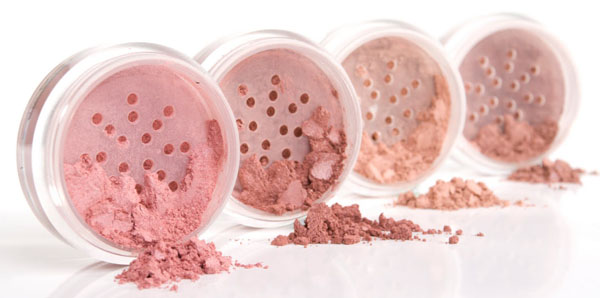
Today both pressed and creamy blushes enjoy steady demand, yet creamy versions appeal because they softly illuminate the skin from within and blend effortlessly. They can be applied with fingers to control color intensity, and they avoid any dry feeling. A home recipe lets you select the shade yourself and confirm the quality of every ingredient.
Creamy blush recipe
To prepare about ten grams of product, take four point five grams of Neossance Squalane, two grams of shea butter, half a gram each of carnauba wax and lanolin, one gram of beeswax, one gram of pink ochre for a pink shade or red ochre for a warm orange tone, and half a gram of titanium dioxide. Melt all the oils and waxes until fully dissolved, then add the pigments and mix thoroughly.
Store the finished product in a small jar and apply with fingers or a brush, gradually building up the desired intensity. This method allows experimentation with pigment ratios to create shades that suit individual coloring, while incorporating rice lipids for extra texture.
FAQ
Can ochre be replaced with other pigments?
Yes other natural colorants may be used instead of ochre as long as the total pigment amount in the recipe stays the same.
How long do homemade blushes last?
When stored in a cool place the product remains usable for several months.
Is the recipe suitable for sensitive skin?
Ingredients should be chosen individually so a patch test on a small area is recommended before first use.





