-
 DIY: Video master classes
-
 Aromatherapy
-
 Felting master classes
-
 Eating at home
-
 DIY cosmetics for children
-
 Cooking recipes
-
 Detergents, cleaning products with your own hands
-
 Soap making as a business
-
 Natural cosmetics. Raw materials for cosmetics and soap.
-
 Natural oils in cosmetics
-
 News
-
 Recipes for balms and conditioners
-
 Bath Bomb Recipes
-
 Cream recipes. Cream making.
-
 Lotion recipes. Gel recipes.
-
 Mask recipes
-
 Soap recipes. Base soap. Soap from scratch.
-
 Recipes for all occasions
-
 Natural shampoo recipes
-
 Healthy Nutrition Recipes
-
 Scrub recipes. Massage tiles. Ubtan
-
 DIY candles
-
 Reference materials, questions, tips
-
 Startup - soap production
-
 Hair care. Tips, recipes
-
 Facial skin care. Cleansers.
-
 Body care. Tips, recipes
-
 Photo Reviews
-
 Chocolate Handmade
Do-it-yourself natural candles: what is needed to make a natural candle
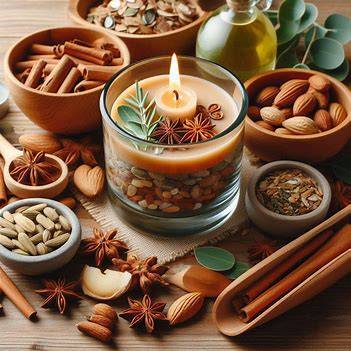 Creating your own natural candles can be a fulfilling and rewarding experience. Not only does it allow you to customize scents and aesthetics to your liking, but it also provides a sense of accomplishment and a healthier alternative to store-bought candles. Let's embark on a candle-making adventure!
Essential Ingredients and Tools
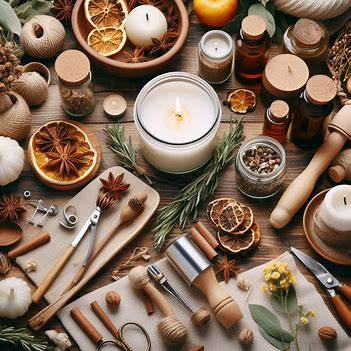
Before diving into the creative process, gather the necessary components:
- Wax: Soy wax, beeswax, coconut wax, or a blend are popular choices. Each has its own unique properties and burning characteristics.
- Wicks: Cotton or wooden wicks are commonly used. The wick's thickness should match the candle's size for optimal burning.
- Essential Oils: Opt for pure essential oils to infuse your candles with delightful fragrances.
- Candle Dyes: If you prefer colored candles, use non-toxic candle dyes.
- Containers: Glass jars, tin cans, or ceramic vessels can be repurposed or purchased for your candles.
- Double Boiler: To safely melt the wax.
- Thermometer: To monitor the wax temperature.
- Stirring Utensils: For mixing wax and other ingredients.
- Wick Stickers or Holders: To secure the wick in place.
Basic Candle Making Steps
- Prepare Your Container: Clean your chosen container thoroughly. If using a glass jar, preheat it in the oven to prevent thermal shock when pouring hot wax.
- Prepare the Wick: Center the wick in the container using a wick sticker or holder. Ensure it's straight and securely positioned.
- Melt the Wax: Place the wax in a double boiler and gently heat until it melts completely. Avoid overheating to prevent wax degradation.
- Add Fragrance and Color: Once the wax is melted, carefully add your chosen essential oils and candle dye. Stir gently to combine.
- Pour the Wax: Carefully pour the melted wax into the prepared container. Avoid creating air bubbles.
- Let it Cool: Allow the candle to cool undisturbed for several hours or overnight to ensure proper hardening.
Candle Recipes
Lavender Serenity Candle:
- Soy wax
- Cotton wick
- Lavender essential oil
- Purple candle dye
- Glass jar
 Refreshing Citrus Candle:
- Coconut wax
- Wooden wick
- Lemon and orange essential oils
- Yellow candle dye
- Tin can
Cozy Vanilla Candle:
- Beeswax
- Cotton wick
- Vanilla bean extract
- White candle dye
- Ceramic vessel
Experiment with different waxes, scents, and containers to create your unique candle masterpieces. Remember, patience and attention to detail are key to achieving the perfect candle.
Additional Tips:
- Start with small batches to experiment and gain confidence.
- Trim the wick to about ¼ inch before each burn.
- Burn candles in a well-ventilated area and never leave a burning candle unattended.
- Enjoy the warm glow and delightful fragrance of your handmade candles!
By following these guidelines and exploring various combinations of waxes, scents, and containers, you can create a wide array of natural candles that bring comfort and ambiance to your home.
Would you like to explore specific candle making techniques or try a more complex recipe?





