-
 DIY: Video master classes
-
 Aromatherapy
-
 Felting master classes
-
 Eating at home
-
 DIY cosmetics for children
-
 Cooking recipes
-
 Detergents, cleaning products with your own hands
-
 Soap making as a business
-
 Natural cosmetics. Raw materials for cosmetics and soap.
-
 Natural oils in cosmetics
-
 News
-
 Recipes for balms and conditioners
-
 Bath Bomb Recipes
-
 Cream recipes. Cream making.
-
 Lotion recipes. Gel recipes.
-
 Mask recipes
-
 Soap recipes. Base soap. Soap from scratch.
-
 Recipes for all occasions
-
 Natural shampoo recipes
-
 Healthy Nutrition Recipes
-
 Scrub recipes. Massage tiles. Ubtan
-
 DIY candles
-
 Reference materials, questions, tips
-
 Startup - soap production
-
 Hair care. Tips, recipes
-
 Facial skin care. Cleansers.
-
 Body care. Tips, recipes
-
 Photo Reviews
-
 Chocolate Handmade
Master class: refreshing and moisturizing bath bombs
Bath bombs bring pleasant moments of relaxation, and making them yourself lets you select preferred scents and textures. This material shares an easy recipe that anyone can repeat at home with basic components. Recent workshops have highlighted natural add-ins such as dried botanicals for skin-loving results.

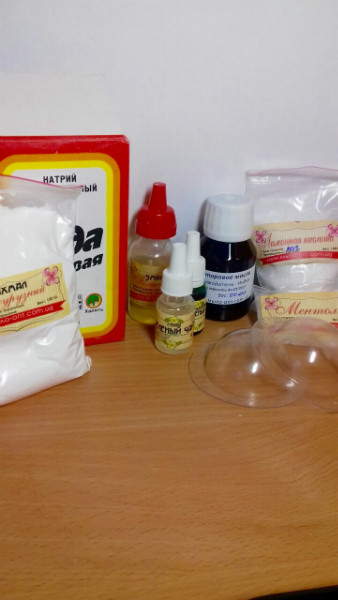
Components needed for the bombs
To prepare the product gather corn starch, which can be replaced with dry milk, in the amount of one spoon, baking soda at ten spoons, citric acid at five spoons, a bomb mold, dyes in gel form a few drops, menthol one teaspoon, base oil one teaspoon, essential oils up to fifteen drops, plus gloves, a sprayer, a respirator and a mixing bowl. Order liquid oils from the catalog to find a suitable option for the blend.
Step-by-step bomb creation
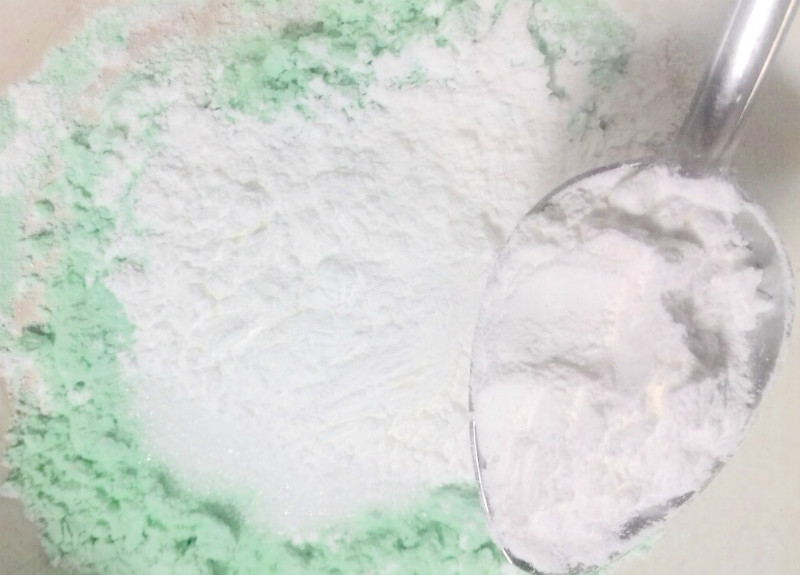
First grind all dry components in a blender or sift through a sieve while wearing a respirator to protect airways. Next add a little dye to the mixture and gradually pour in the oils, stirring thoroughly until uniform. If the blend does not hold together, lightly mist with water from the sprayer, keeping in mind that fizzing may start and can be balanced by adding more soda and acid.
Form the finished mass into a bomb and pack it firmly into the mold, filling one half then the other, join the parts and let it set for six to twenty hours. The whole process takes no more than half an hour once ingredients and tools are ready in advance. In our bath bomb recipes section you will find similar ideas for further inspiration.
Tips on ingredient selection
Beginners often prefer light base oils such as almond or grape seed because sunflower spoils texture, flax shortens shelf life and sea buckthorn stains the tub. Tamarind seed oil pairs nicely in such mixtures and adds softness. Never exceed one teaspoon of base oil; instead dilute with a few spritzes of water or alcohol from the sprayer.
Fillers like dry milk or corn starch give skin a softer feel. To extend the fizzing effect add one spoon of magnesium sulfate. You choose the character of the product by using essential oils with toning, calming or moisturising qualities that you like best.
FAQ
Can starch be swapped in the recipe?
Yes, corn starch can be replaced with dry milk in the same proportions without affecting bomb quality.
How long does a finished bomb need to dry?
Drying takes between six and twenty hours depending on air humidity and mold size.
Which oils should beginners avoid?
It is best to skip sunflower, flax and sea buckthorn oils as they harm consistency or stain surfaces.