
-
 DIY: Video master classes
-
 Aromatherapy
-
 Felting master classes
-
 Eating at home
-
 DIY cosmetics for children
-
 Cooking recipes
-
 Detergents, cleaning products with your own hands
-
 Soap making as a business
-
 Natural cosmetics. Raw materials for cosmetics and soap.
-
 Natural oils in cosmetics
-
 News
-
 Recipes for balms and conditioners
-
 Bath Bomb Recipes
-
 Cream recipes. Cream making.
-
 Lotion recipes. Gel recipes.
-
 Mask recipes
-
 Soap recipes. Base soap. Soap from scratch.
-
 Recipes for all occasions
-
 Natural shampoo recipes
-
 Healthy Nutrition Recipes
-
 Scrub recipes. Massage tiles. Ubtan
-
 DIY candles
-
 Reference materials, questions, tips
-
 Startup - soap production
-
 Hair care. Tips, recipes
-
 Facial skin care. Cleansers.
-
 Body care. Tips, recipes
-
 Photo Reviews
-
 Chocolate Handmade
bath bomb
Bath bombs bring moments of relaxation during bathing and fill the room with pleasant scents. They make thoughtful gifts for the whole family, while the making process itself offers enjoyment through its simplicity and room for creativity. In our bath bomb recipes section you will find plenty of ideas worth trying.
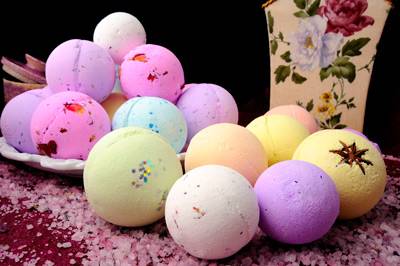
Key ingredients for bath bombs
Baking soda and citric acid form the essential base that produces the signature fizz upon contact with water. Baking soda also softens the water, while carrier and essential oils add fragrance and nourishment. Our selection allows you to buy liquid oils for these creations, and you can order essential oils to craft distinctive blends, for example by adding tamarind seed oil or neossance squalane. Dry milk, salt, starch, dried flowers or rose petals are often added, and food colorants or mica provide color.
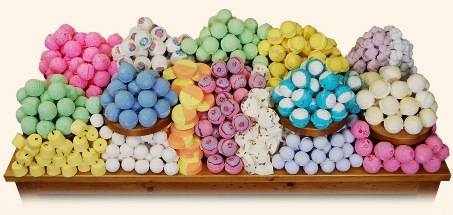
Lavender bath bombs
The recipe calls for two tablespoons of citric acid, four tablespoons of baking soda, three tablespoons of dry milk, one tablespoon of salt, two tablespoons of any carrier oil, twenty drops of lavender or another essential oil and one tablespoon of dried lavender. All dry ingredients are mixed thoroughly, the carrier oil is added next, followed by the essential oil, salt and dried flowers. The blend is moistened with a single drop of water until it resembles wet sand, then shaped into molds lightly greased with vegetable oil, pressed firmly and left to dry for several hours or a full day. Once dry the bombs are wrapped in cling film.
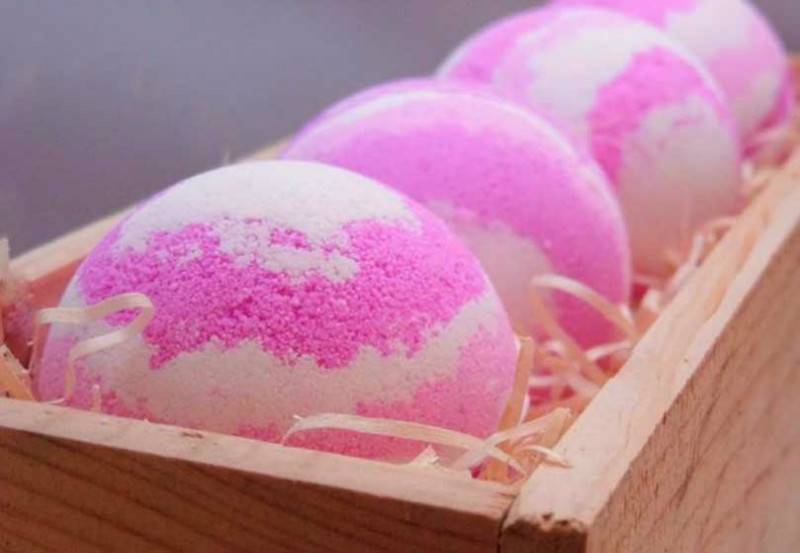
Almond bath bomb
The almond version uses four tablespoons of baking soda, three tablespoons of citric acid, one teaspoon of glycerin, one tablespoon of almond oil, a drop of water, four drops of cream colorant or half a teaspoon of curry powder and twenty drops of a favorite essential oil. The method follows the same sequence, yet drying takes around three days.
Chocolate bath bomb
The chocolate variation requires two tablespoons of citric acid, four tablespoons of baking soda, one tablespoon of dry cream, one tablespoon of ground cinnamon, two tablespoons of grapeseed oil and fifteen to twenty drops of essential oil or chocolate fragrance. Mixing and molding proceed identically, with the finished bombs left to harden completely.
FAQ
Can any carrier oil be swapped in the recipe?
Yes, any carrier oil can be replaced with another of similar texture such as jojoba or coconut oil.
How long does drying take?
Lavender and chocolate bombs are usually ready within a day, while the almond version needs up to three days.
How should finished bombs be stored?
After drying the bombs are wrapped in cling film to preserve scent and protect them from moisture.





