-
 DIY: Video master classes
-
 Aromatherapy
-
 Felting master classes
-
 Eating at home
-
 DIY cosmetics for children
-
 Cooking recipes
-
 Detergents, cleaning products with your own hands
-
 Soap making as a business
-
 Natural cosmetics. Raw materials for cosmetics and soap.
-
 Natural oils in cosmetics
-
 News
-
 Recipes for balms and conditioners
-
 Bath Bomb Recipes
-
 Cream recipes. Cream making.
-
 Lotion recipes. Gel recipes.
-
 Mask recipes
-
 Soap recipes. Base soap. Soap from scratch.
-
 Recipes for all occasions
-
 Natural shampoo recipes
-
 Healthy Nutrition Recipes
-
 Scrub recipes. Massage tiles. Ubtan
-
 DIY candles
-
 Reference materials, questions, tips
-
 Startup - soap production
-
 Hair care. Tips, recipes
-
 Facial skin care. Cleansers.
-
 Body care. Tips, recipes
-
 Photo Reviews
-
 Chocolate Handmade
Linoleic Acid in cosmetic formulation: lipid-phase versus water-compatible formats
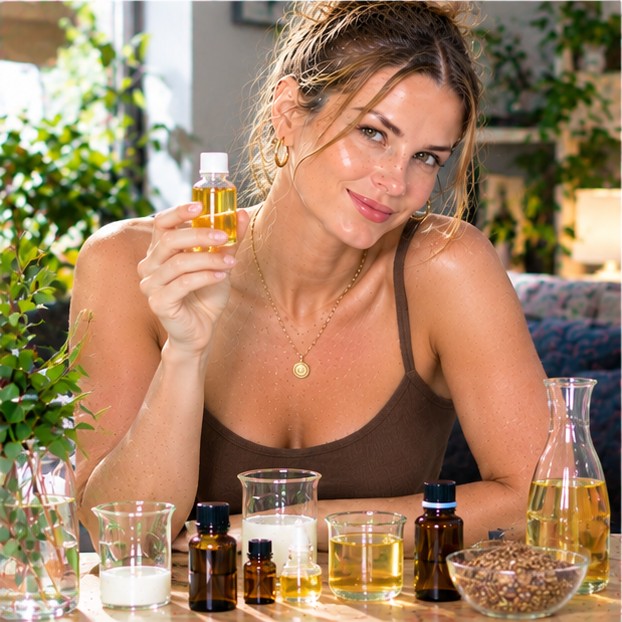
Linoleic Acid 50 ml is an oily lipophilic material, while Linoleic Acid Water Soluble is designed for water-oriented systems. They should not be treated as gram-for-gram substitutes.
Lipid-system logic
Linoleic acid is a polyunsaturated omega-6 fatty acid. In emulsions it belongs to the broader lipid architecture alongside oils, esters, emulsifier and oxidation-control strategy.
Use the lipophilic format for
· oil serums
· oil phase of creams and lotions
· balms and anhydrous systems
· lipid-based hair products
Use a water-compatible format for
· aqueous serums
· light gels

· toners where documentation supports use
· systems where a separate oil phase is undesirable
Stability matters
Unsaturated lipids deserve attention to light, air, odor drift and packaging. Confirm the use level for the exact supplied material rather than copying percentages between formats.
Conclusion
Choose physical format first, then determine use level and process. This produces a more controlled formula than forcing lipophilic and water-compatible linoleic acid into the same workflow.





