Article sections
-
 DIY: Video master classes
-
 Aromatherapy
-
 Felting master classes
-
 Eating at home
-
 DIY cosmetics for children
-
 Cooking recipes
-
 Detergents, cleaning products with your own hands
-
 Soap making as a business
-
 Natural cosmetics. Raw materials for cosmetics and soap.
-
 Natural oils in cosmetics
-
 News
-
 Recipes for balms and conditioners
-
 Bath Bomb Recipes
-
 Cream recipes. Cream making.
-
 Lotion recipes. Gel recipes.
-
 Mask recipes
-
 Soap recipes. Base soap. Soap from scratch.
-
 Recipes for all occasions
-
 Natural shampoo recipes
-
 Healthy Nutrition Recipes
-
 Scrub recipes. Massage tiles. Ubtan
-
 DIY candles
-
 Reference materials, questions, tips
-
 Startup - soap production
-
 Hair care. Tips, recipes
-
 Facial skin care. Cleansers.
-
 Body care. Tips, recipes
-
 Photo Reviews
-
 Chocolate Handmade
How to Make a Professional Sulfate-Free Shampoo
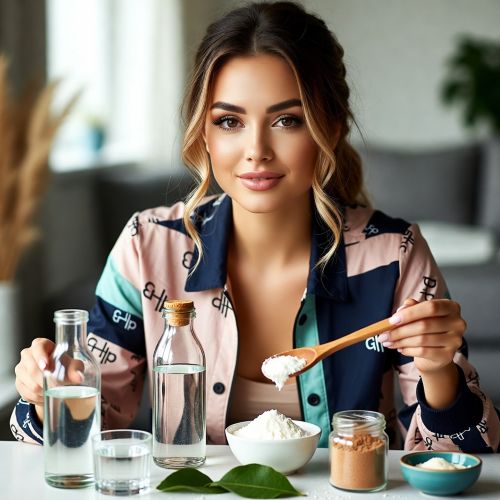
How to create a professional sulfate-free shampoo is a question that many beauty enthusiasts and aspiring cosmetic chemists ask as they seek alternatives to harsh commercial cleansers. Traditional shampoos rely on Sodium Lauryl Sulfate (SLS) or Sodium Laureth Sulfate (SLES) to create a massive amount of foam and remove grease. While effective at cleaning, these sulfates can strip the hair of its natural protective oils, lead to scalp irritation, and cause premature fading of hair color. A professional-grade sulfate-free alternative uses mild, plant-derived surfactants that cleanse effectively while maintaining the health and integrity of the hair shaft.
In this comprehensive guide, we will explore the complex world of green chemistry and provide three high-performance recipes. You will learn the technical nuances of blending surfactants, balancing pH levels, and incorporating active botanical ingredients. By the end of this article, you will be able to produce a salon-quality shampoo that offers superior results compared to mass-market industrial products.
Beneficial Properties and Advantages Over Industrial Analogs
The primary advantage of creating your own professional sulfate-free shampoo is the ability to customize the Active Surfactant Matter (ASM). Industrial shampoos are often formulated with a high ASM to ensure they work in all water types, but this can be overkill for daily use. Your handmade product can be precisely balanced to clean without causing the "rebound effect," where the scalp overproduces oil to compensate for being stripped.
Furthermore, homemade formulas allow for the exclusion of synthetic silicones and parabens. Instead of using plastic-based film formers to give a temporary illusion of shine, you can use hydrolyzed proteins and natural esters that actually penetrate and repair the hair cuticle. Professional sulfate-free shampoos are also biodegradable and eco-friendly, using surfactants derived from coconut, corn, and fruit sugars. These ingredients are much gentler on the skin microbiome, reducing the risk of dandruff and chronic itchiness often caused by industrial detergents.
Preparation Nuances and Technical Requirements
Creating a stable shampoo requires more than just mixing soaps. The most critical nuance is the pH level. Human hair and scalp have a natural pH of around five point five. Many sulfates are alkaline, but sulfate-free surfactants often require an acidic environment to stay stable and keep the hair cuticle closed. Achieving a final pH between five point zero and five point five is the "secret" to that smooth, salon-like finish.
Another nuance is the order of addition. Surfactants are sensitive molecules. If you add them too quickly or stir too vigorously, you will create a beaker full of foam rather than a clear liquid. Cold processing is usually preferred for sulfate-free formulas to preserve the delicate botanical extracts and vitamins. Finally, thickening a sulfate-free system is harder than thickening a sulfate one; you cannot just use table salt. You must use natural gums or specific thickening surfactants to achieve the desired viscosity.
Recipe One Gentle Daily Moisturizing Shampoo
This formula is ideal for normal to dry hair and focuses on lipid restoration.
Ingredients sixty milliliters distilled water, fifteen milliliters Cocamidopropyl Betaine (amphoteric surfactant), ten milliliters Coco Glucoside (non-ionic surfactant), five milliliters vegetable glycerin, two milliliters panthenol (Vitamin B5), and one gram broad-spectrum preservative.
Step one Pour the distilled water into a sterilized glass beaker at room temperature.
Step two Add the vegetable glycerin and panthenol, stirring slowly with a glass rod until the liquid is perfectly clear.
Step three Introduce the Coco Glucoside. This is a thick surfactant, so stir in a slow, circular motion to prevent aeration.
Step four Add the Cocamidopropyl Betaine. You will notice the mixture starting to thicken as the different surfactant charges interact.
Step five Check the pH level. Use a few drops of lactic acid to bring the pH down to five point five if the solution is too alkaline.
Step six Add the preservative and stir for two minutes. Let the shampoo sit for twelve hours to allow any micro-bubbles to rise and disappear.
Recipe Two Restorative Protein Shampoo for Damaged Hair
Specifically designed for color-treated or heat-damaged hair to reinforce the keratin structure.
Ingredients fifty-five milliliters lavender hydrosol, twelve milliliters Sodium Cocoyl Isethionate (SCI) in powder form, ten milliliters Decyl Glucoside, three grams hydrolyzed wheat protein, two milliliters argan oil (water-soluble version), and one gram preservative.
Step one Gently heat the lavender hydrosol to thirty-five degrees Celsius. This helps the SCI powder dissolve more easily.
Step two Add the SCI powder slowly while stirring. Be careful not to breathe in the dust; wear a mask if necessary.
Step three Once the liquid is clear and the powder is dissolved, add the Decyl Glucoside.
Step four Incorporate the hydrolyzed wheat protein. This active ingredient fills in the gaps of the damaged hair cuticle.
Step five Add the water-soluble argan oil. Regular oil can crash a surfactant system, so using the water-soluble version is professional best practice.
Step six Cool the mixture to room temperature, add the preservative, and adjust the pH to five point zero for maximum cuticle smoothing.
Recipe Three Scalp Balancing Gel Shampoo
A lightweight, refreshing formula for those with oily scalps who need deep cleaning without irritation.
Ingredients sixty-five milliliters distilled water, one gram xanthan gum (transparent grade), ten milliliters Lauryl Glucoside, eight milliliters Cocamidopropyl Betaine, three milliliters aloe vera extract, and five drops peppermint essential oil.
Step one Disperse the xanthan gum into the distilled water. Use a mini-mixer for thirty seconds to ensure there are no lumps.
Step two Allow the gel base to hydrate for twenty minutes. It should look like a smooth, clear jelly.
Step three Stir in the Lauryl Glucoside. This surfactant provides the "deep clean" feel without the harshness of sulfates.
Step four Add the Cocamidopropyl Betaine to stabilize the foam and provide mildness.
Step five Incorporate the aloe vera extract and the peppermint essential oil for a cooling sensation on the scalp.
Step six Add the preservative and ensure the pH is at five point five to maintain the health of the scalp microbiome.
Recommendations for Use and Professional Application
Using a professional sulfate-free shampoo requires a slight adjustment in technique. Because these formulas do not contain aggressive "flash foamers," you must ensure your hair is completely saturated with water before applying the product. Use a small amount and focus on massaging the scalp rather than the ends. If you have been using heavy silicone-based products previously, you may need a "double wash" during the first few uses to fully cleanse the hair.
For the best results, leave the shampoo on the hair for sixty to ninety seconds. This allows the hydrolyzed proteins and vitamins time to bond with the hair fibers. Rinse with cool water to further seal the cuticle and enhance the natural shine that your new formula provides.
Storage and Shelf Life Guidelines
Since professional sulfate-free shampoos are rich in botanical extracts and water, they are susceptible to microbial contamination. Using a broad-spectrum preservative is non-negotiable. Store your shampoo in a dark, cool place, as sunlight can degrade the natural oils and the color of the hydrosols. An opaque or amber-colored bottle is the professional choice for packaging.
The typical shelf life for these handmade formulas is three to six months. Always use sterilized containers and avoid getting tap water inside the bottle during use, as this can introduce bacteria that will shorten the product's lifespan. If you notice any change in smell, color, or a separation of the phases that cannot be fixed with a gentle shake, it is time to make a fresh batch.
Customizing your hair care is the ultimate luxury. By mastering these professional techniques, you ensure that every wash is a treatment that supports the long-term health of your hair.
Would you like me to prepare a detailed guide on the best natural thickeners and pearlizing agents to give your sulfate-free shampoo a more commercial, high-end look?
10.02.2026





