-
 DIY: Video master classes
-
 Aromatherapy
-
 Felting master classes
-
 Eating at home
-
 DIY cosmetics for children
-
 Cooking recipes
-
 Detergents, cleaning products with your own hands
-
 Soap making as a business
-
 Natural cosmetics. Raw materials for cosmetics and soap.
-
 Natural oils in cosmetics
-
 News
-
 Recipes for balms and conditioners
-
 Bath Bomb Recipes
-
 Cream recipes. Cream making.
-
 Lotion recipes. Gel recipes.
-
 Mask recipes
-
 Soap recipes. Base soap. Soap from scratch.
-
 Recipes for all occasions
-
 Natural shampoo recipes
-
 Healthy Nutrition Recipes
-
 Scrub recipes. Massage tiles. Ubtan
-
 DIY candles
-
 Reference materials, questions, tips
-
 Startup - soap production
-
 Hair care. Tips, recipes
-
 Facial skin care. Cleansers.
-
 Body care. Tips, recipes
-
 Photo Reviews
-
 Chocolate Handmade
Active cream for aging skin: recipes and tips from Soap Opt
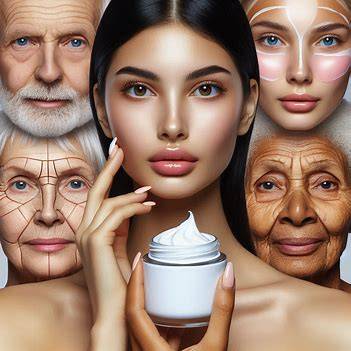 Aging is a natural process, but that doesn't mean we can't gracefully embrace it with radiant, youthful-looking skin. While there's a plethora of anti-aging products on the market, many individuals prefer the natural and customizable approach of homemade skincare. Today, we'll delve into the world of active creams, providing you with effective recipes and expert tips from Mylo Opt.
Understanding the Importance of Active Ingredients
Before we dive into recipes, let's understand the power of active ingredients. These are the components that truly deliver results. Key ingredients to combat aging include:
- Hyaluronic acid: Hydrates and plumps the skin.
- Retinol: Stimulates collagen production, reducing fine lines and wrinkles.
- Vitamin C: Brightens the complexion, protects against free radicals, and boosts collagen synthesis.
- Niacinamide: Evens skin tone, improves texture, and strengthens the skin barrier.
- Peptides: Stimulate collagen and elastin production.
DIY Active Cream Recipes
Note: Always patch test new ingredients before applying them to your entire face. If you have sensitive skin or underlying skin conditions, consult a dermatologist.
Hydrating Hyaluronic Acid Cream
-
Ingredients:
- Hyaluronic acid powder
- Aloe vera gel
- Vegetable glycerin
- Emulsifying wax
- Preservative (optional)
-
Instructions:
- Combine hyaluronic acid powder with a small amount of water to activate.
- Mix aloe vera gel, vegetable glycerin, and emulsifying wax in a water bath until melted.
- Gradually add the activated hyaluronic acid mixture to the melted phase, stirring continuously.
- Allow the cream to cool completely before adding a preservative (optional).
 Revitalizing Retinol Cream
-
Note: Retinol can be irritating, so start with a low concentration and gradually increase it.
-
Ingredients:
- Retinol (consult a formulator for appropriate concentration)
- Emulsifying wax
- Aloe vera gel
- Vitamin E oil
- Preservative (optional)
-
Instructions:
- Combine emulsifying wax and aloe vera gel in a water bath until melted.
- Add retinol and vitamin E oil to the cooled mixture.
- Stir until the cream is smooth and consistent.
- Add a preservative (optional) before storing in a dark glass jar.
Brightening Vitamin C Cream
-
Ingredients:
- Ascorbic acid powder (L-ascorbic acid)
- Emulsifying wax
- Aloe vera gel
- Ferulic acid (optional)
- Preservative (optional)
-
Instructions:
- Combine emulsifying wax and aloe vera gel in a water bath until melted.
- Allow the mixture to cool slightly before adding ascorbic acid powder and ferulic acid (if using).
- Stir until the ingredients are fully incorporated.
- Add a preservative (optional) and store in a dark glass jar.
Tips for Effective Skincare
- Consistency is key: Use your active cream daily for optimal results.
- Sun protection: Always apply sunscreen to protect your skin from harmful UV rays.
- Gentle cleansing: Avoid harsh cleansers that can strip your skin's natural oils.
- Hydration: Drink plenty of water to keep your skin hydrated from within.
- Healthy lifestyle: A balanced diet, regular exercise, and adequate sleep contribute to overall skin health.
Remember, while DIY creams can be rewarding, it's essential to prioritize safety. If you're unsure about any aspect of creating your own skincare products, consult a qualified formulator or dermatologist.





