-
 DIY: Video master classes
-
 Aromatherapy
-
 Felting master classes
-
 Eating at home
-
 DIY cosmetics for children
-
 Cooking recipes
-
 Detergents, cleaning products with your own hands
-
 Soap making as a business
-
 Natural cosmetics. Raw materials for cosmetics and soap.
-
 Natural oils in cosmetics
-
 News
-
 Recipes for balms and conditioners
-
 Bath Bomb Recipes
-
 Cream recipes. Cream making.
-
 Lotion recipes. Gel recipes.
-
 Mask recipes
-
 Soap recipes. Base soap. Soap from scratch.
-
 Recipes for all occasions
-
 Natural shampoo recipes
-
 Healthy Nutrition Recipes
-
 Scrub recipes. Massage tiles. Ubtan
-
 DIY candles
-
 Reference materials, questions, tips
-
 Startup - soap production
-
 Hair care. Tips, recipes
-
 Facial skin care. Cleansers.
-
 Body care. Tips, recipes
-
 Photo Reviews
-
 Chocolate Handmade


How to distinguish dehydration from true dryness and choose different active ingredients
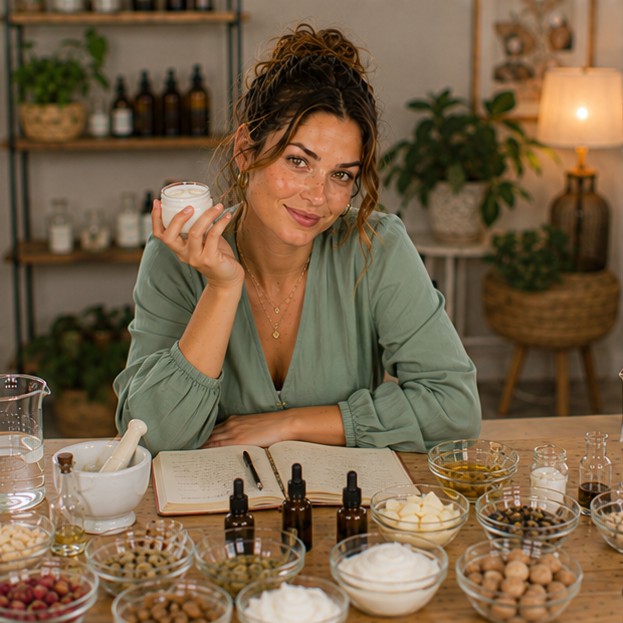 Distinguishing between skin dehydration and genetic dryness is one of the most critical aspects of formulating effective custom skincare. Misdiagnosing these conditions often leads to improper active selection, which can worsen skin barriers, clog pores, or exacerbate transepidermal water loss. While both conditions present with discomfort, their underlying biological mechanisms, root causes, and corrective protocols are fundamentally distinct.
Dry skin is a genetic skin type characterized by underactive sebaceous glands that produce insufficient natural oils and lipids. Without adequate sebum, the stratum corneum lacks essential fatty acids, ceramides, and cholesterol required to maintain a cohesive epidermal lipid matrix. Visually, genetically dry skin features fine pores, a matte or dull texture, reduced elasticity, and a tendency toward early fine lines and persistent flakiness.
Dehydration is a temporary, acquired state of water depletion within the stratum corneum that can affect any skin type, including oily, combination, and acne-prone skin. It is caused by external or internal stressors such as harsh cleansers, environmental conditions, compromised skin barriers, or insufficient water intake. Dehydrated skin often exhibits a unique contradiction: a feeling of tightness alongside surface shine in the T-zone, superficial crepey lines, exaggerated texture, and localized scaling despite active oil production.
Addressing true dryness requires lipid replenishment, rich emollients, and occlusive barriers to compensate for missing sebum. Resolving dehydration requires water-binding humectants, natural moisturizing factor components, and barrier-repair actives to restore transepidermal water retention.
Strategic Selection of Cosmetic Actives and Ingredients
Selecting the correct cosmetic raw materials requires balancing humectants, emollients, occlusives, and barrier repair agents based on whether the formula addresses moisture loss or lipid deficiency.
Cosmetic Actives Classification
First Group Water Binding Humectants for Dehydrated Skin. High and low molecular weight hyaluronic acid, sodium PCA, vegetable glycerin, betaine, propanediol, and urea attract water molecules from the surrounding environment and deeper dermal layers into the stratum corneum. Low molecular weight hyaluronic acid penetrates deeper epidermal layers to plump from within, while high molecular weight variants create a breathable, hydrating surface film that immediately relieves tightness.
Second Group Emollients and Lipids for Dry Skin. Botanical oils rich in essential fatty acids—such as avocado oil, jojoba oil, macadamia oil, shea butter, and plant derived squalane—fill the spaces between desquamating skin cells. These oils soften the rough stratum corneum, restore flexibility, and replenish the missing lipid layer essential for genetically dry skin types.
Third Group Barrier Restructuring Actives. Ceramide complexes, phytosterols, hydrogenated lecithin, and niacinamide benefit both dry and dehydrated skin. They reconstruct the intercellular matrix, repair damage within the skin barrier, reduce sensitivity, and significantly decrease transepidermal water loss over time.
Fourth Group Protective Occlusives. Natural waxes such as beeswax, jojoba esters, and berry wax form a protective, breathable barrier over the epidermis. This occlusive layer seals in hydration, shield fragile dry skin from harsh environmental factors, and prevents moisture evaporation in cold or dry climates.
Thermal Processing Controls and Ingredient Incorporation Rules
Maintaining precise thermal parameters during custom formulation is essential for preserving the biological activity of delicate botanical oils, humectants, and heat sensitive active ingredients.
Thermal Processing Boundaries Heat sensitive ingredients—including aloe vera, amino acid complexes, vitamins, peptide solutions, and ceramides—degrade when exposed to high temperatures. When preparing emulsions, heat the oil and water phases separately to dissolve emulsifiers within sixty five to seventy degrees Celsius. Cool the emulsion while stirring continuously. Incorporate all heat sensitive actives, botanical extracts, and preservation systems only during the cool down phase after the mixture drops below thirty five degrees Celsius.
Phase Addition Sequence For aqueous serums, hydrate cold water soluble gums, hyaluronic acid, or dry extracts by sprinkling them evenly onto warm or room temperature water, allowing them to swell completely before mixing. For emulsions, introduce active ingredients into the finished base during the cool down phase to prevent thermal breakdown and preserve structural integrity.
Superiority of Custom Formulations Over Commercial Products
Mass market commercial skincare products often rely on universal formulations designed for broad shelf appeal rather than targeted physiological correction. Many commercial creams rely heavily on synthetic silicones, mineral oils, and heavy film formers. While silicones provide immediate surface smoothness, they fail to supply genuine epidermal lipids or deep cellular hydration. Furthermore, mineral oils remain on top of the skin without integrating into the natural intercellular lipid matrix.
Commercial products frequently contain elevated levels of denatured alcohol to speed up drying times, along with harsh synthetic fragrances and aggressive preservative systems that irritate fragile skin barriers and exacerbate dehydration.
Custom skincare formulation provides distinct physiological and technical advantages: Formulas are precisely tailored to supply targeted water binding humectants for dehydration or rich bio compatible lipids for dryness. Products use unrefined, cold pressed botanical oils, pure ceramides, and genuine NMF actives instead of synthetic fillers and silicone substitutes. Formulations eliminate aggressive sulfates, drying alcohols, synthetic dyes, and artificial fragrances. Texture, viscosity, and active concentration can be dynamically adjusted to adapt to changing seasonal conditions, climates, and individual skin responses.
Equipment Preparation and Hygiene Standards
Maintaining strict sanitation throughout the formulation process prevents microbial contamination and ensures product safety, stability, and extended shelf life.
Sanitize your entire work surface with a food safe disinfecting spray. Wash hands thoroughly with anti-bacterial soap and don sterile disposable gloves. All laboratory equipment—including heat resistant glass beakers, glass stirring rods, digital scales, measuring spoons, and dark amber glass packaging—must be washed, rinsed with distilled water, and sprayed thoroughly with seventy percent isopropyl alcohol. Allow all tools to air dry completely on clean paper towels before starting the formulation process.
Recipe First Deep Hydration Serum for Dehydrated Skin with Hyaluronic Acid
An oil free, fast absorbing fluid designed to rapidly restore depleted water reserves, eliminate surface tightness, and restore smooth skin texture.
Ingredients forty milliliters rose hydrosol five milliliters aloe vera juice three milliliters vegetable glycerin one gram low molecular weight hyaluronic acid powder zero point five grams sodium PCA zero point six milliliters Geogard 221 preservative
Preparation Protocol Step One Sanitize all glass beakers, stirring rods, digital scales, and dropper bottles with seventy percent isopropyl alcohol and allow to dry. Step Two Measure forty milliliters of rose hydrosol and five milliliters of aloe vera juice into a clean glass beaker. Step Three Add three milliliters of vegetable glycerin and zero point five grams of sodium PCA into the liquid phase and stir until completely dissolved. Step Four Sprinkle one gram of low molecular weight hyaluronic acid powder evenly across the liquid surface without stirring immediately. Step Five Allow the mixture to sit undisturbed for twenty minutes until the hyaluronic acid fully hydrates and swells into a clear gel. Step Six Stir the gel gently with a glass rod until completely uniform and free of lumps. Step Seven Add zero point six milliliters of Geogard 221 preservative while stirring continuously for two minutes. Step Eight Measure the pH level to ensure it falls between five point zero and five point five, then transfer the serum into a dark amber glass bottle with a dropper.
Recipe Second Nourishing Barrier Cream for Genetically Dry Skin with Avocado Oil
A rich, lipid dense cream designed to supply missing sebum, soften flaky skin, and repair damaged epidermal barrier structures.
Ingredients fifty milliliters distilled water fifteen milliliters unrefined avocado oil ten milliliters sweet almond oil five grams Olivem 1000 emulsifying wax two grams raw shea butter two milliliters ceramide complex zero point five milliliters Euxyl K712 preservative
Preparation Protocol Step One Thoroughly sanitize all heat resistant beakers, glass rods, scales, and storage jars with isopropyl alcohol. Step Two Combine fifteen milliliters of avocado oil, ten milliliters of sweet almond oil, two grams of raw shea butter, and five grams of Olivem 1000 into the first heat resistant glass beaker. Step Three Pour fifty milliliters of distilled water into a second heat resistant glass beaker. Step Four Place both beakers into a gentle water bath and heat until the emulsifier and shea butter are completely melted and fluid. Step Five Slowly pour the heated water phase into the heated oil phase while blending with a mini hand mixer for three minutes until a smooth, uniform white emulsion forms. Step Six Remove the beaker from the water bath and stir slowly with a glass rod as the cream cools down below thirty five degrees Celsius. Step Seven Add two milliliters of ceramide complex and zero point five milliliters of Euxyl K712 preservative into the cooled cream. Step Eight Stir thoroughly for two minutes, confirm the pH is between five point two and five point eight, and transfer the rich cream into a sterilized glass jar.
Recipe Third Restorative Fluid for Dry Dehydrated Skin with Squalane
A versatile hybrid formulation that simultaneously binds water within the stratum corneum while reinforcing the lipid barrier to stop moisture evaporation.
Ingredients forty five milliliters distilled water ten milliliters olive squalane eight milliliters jojoba oil four grams Montanov 68 emulsifier two milliliters betaine solution two grams niacinamide powder zero point six milliliters Sharomix EG10 preservative
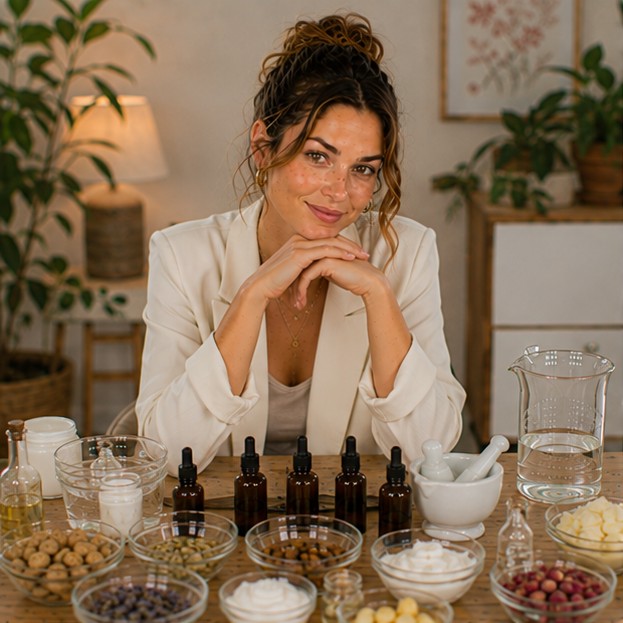
Preparation Protocol Step One Disinfect all glass equipment, scales, stirring rods, and airless pump bottles with isopropyl alcohol. Step Two Combine ten milliliters of olive squalane, eight milliliters of jojoba oil, and four grams of Montanov 68 emulsifier into the oil phase beaker. Step Three Combine forty five milliliters of distilled water and two grams of niacinamide powder into the water phase beaker, stirring until dissolved. Step Four Heat both beakers in a water bath until the emulsifier melts completely. Step Five Pour the water phase into the oil phase while mixing at high speed with a frother or mini mixer until a fluid emulsion forms. Step Six Continue stirring gently with a glass rod while allowing the fluid to cool down below thirty five degrees Celsius. Step Seven Add two milliliters of betaine solution and zero point six milliliters of Sharomix EG10 preservative into the cooled fluid. Step Eight Mix thoroughly, verify the pH falls between five point zero and five point five, and pour the finished fluid into a sterile airless pump bottle.
Daily Application Guidelines for Optimal Results
Adopting proper application techniques maximizes product efficacy and accelerates skin recovery.
Always dispense creams using a clean spatula or use airless pump dispensers to prevent bacterial contamination. Apply hydrating serums and light fluids intended for dehydrated skin onto freshly cleansed, slightly damp skin immediately following toner application. This technique allows humectants to trap surface moisture and draw it into the upper epidermal layers.
For rich nourishing creams formulated for dry skin, warm a small amount between clean fingertips before pressing gently onto the face along natural massage lines. When layering products, follow the lightweight to heavy rule: apply aqueous hyaluronic acid serums first, allow one minute for absorption, and seal the hydration in with a lipid rich cream or barrier fluid. Always perform a patch test on the inner forearm twenty four hours prior to using any newly formulated product to check for sensitivity.
Storage Conditions and Product Longevity Standards
Maintaining strict storage protocols preserves the stability, biological activity, and freshness of custom botanical formulations.
Store all custom serums and creams in tightly sealed dark amber glass containers or airless pump bottles to protect sensitive botanical oils and active compounds from ultraviolet light degradation and oxidation. Keep products in a cool, dark environment or dedicated cosmetic refrigerator maintained between eight and fourteen degrees Celsius. Avoid storing custom cosmetics in the bathroom, where high humidity and frequent temperature fluctuations accelerate emulsion separation and microbial growth.
When formulated under strict sanitary conditions using effective eco certified preservation systems, these custom formulations maintain full stability, potency, and safety for four to six months.


Cosmetic ingredients and professional formulation blog
This section features expert materials on modern cosmetic actives. We cover peptides, polynucleotides PDRN, different forms of hyaluronic acid, retinoids, ceramides and other key components.
Special focus is given to active stability, ingredient compatibility and correct incorporation into formulas. You will find practical guides on working with anti-age actives, moisturizing complexes and barrier repair ingredients.
We examine how to properly combine myorelaxants with peptides, common mistakes when using unstable vitamin C forms and ways to improve the performance of moisturizing actives.
Separate materials are dedicated to base oils, extracts, emulsifiers and supporting ingredients. This helps create stable and effective formulas for both professional and home cosmetics.
The blog regularly publishes reviews of trending actives, comparisons of similar ingredients and step-by-step formulation recommendations. The content is aimed at formulators, technologists and anyone seriously involved in creating cosmetic products.
Why this blog is useful
Here you will find practical data on eye area care actives, lifting systems and ingredients that improve skin firmness and tone. We rely on real formulation experience and address the actual challenges that arise during product development.
You can also explore materials on skin protection and repair, depigmentation and anti-inflammatory actives. This approach supports a more systematic selection of ingredients.
FAQ
What topics are covered most often
The blog focuses on peptides, PDRN, hyaluronic acid of different molecular weights, retinoids, ceramides and their compatibility rules.
Are there practical recommendations on how to incorporate actives
Yes, most articles include practical notes on pH stability, incorporation temperature and common formulation mistakes.
Is the content only for professionals
The materials are useful both for formulators and technologists and for those who create cosmetics for personal use and want to understand how modern ingredients work.
Where can I go directly to the ingredients
All key actives are collected in the Actives section, while base components are available in base oils and related categories.



