-
 DIY: Video master classes
-
 Aromatherapy
-
 Felting master classes
-
 Eating at home
-
 DIY cosmetics for children
-
 Cooking recipes
-
 Detergents, cleaning products with your own hands
-
 Soap making as a business
-
 Natural cosmetics. Raw materials for cosmetics and soap.
-
 Natural oils in cosmetics
-
 News
-
 Recipes for balms and conditioners
-
 Bath Bomb Recipes
-
 Cream recipes. Cream making.
-
 Lotion recipes. Gel recipes.
-
 Mask recipes
-
 Soap recipes. Base soap. Soap from scratch.
-
 Recipes for all occasions
-
 Natural shampoo recipes
-
 Healthy Nutrition Recipes
-
 Scrub recipes. Massage tiles. Ubtan
-
 DIY candles
-
 Reference materials, questions, tips
-
 Startup - soap production
-
 Hair care. Tips, recipes
-
 Facial skin care. Cleansers.
-
 Body care. Tips, recipes
-
 Photo Reviews
-
 Chocolate Handmade
Olive soap - gentle care for your skin
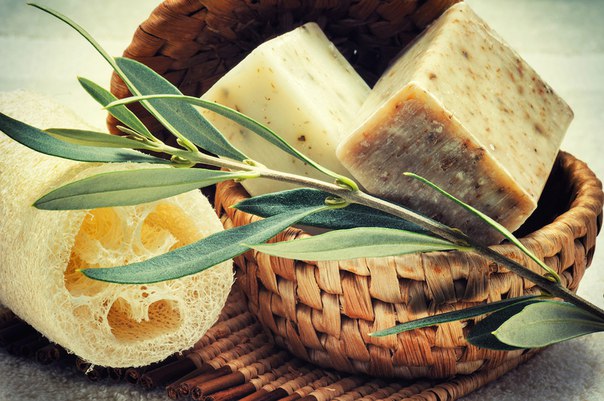
Olive oil soap, often called Greek soap, has won everyone over with its versatility. Interestingly, olive oil was the very first oil used in soap making. This soap suits every skin type, even a baby's delicate skin, as it is gentle and mild.
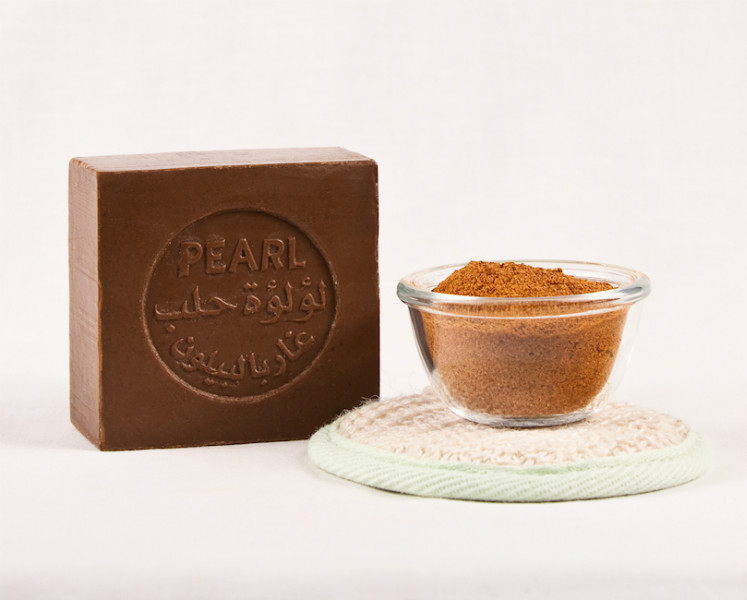
Olive oil soap with red clay
Red clay adds colour and extra care. Its warm terracotta shade comes from iron oxide, and it is rich in mineral salts. You can buy cosmetic clay. Soap with it suits fussy, sensitive skin, exfoliates gently and leaves skin looking fresh and firm.
Olive oil softens and deeply moisturises, and its vitamin E acts as an antioxidant. You can add extra, for example oil soluble vitamin E. The recipe can also include olive fruit extract.
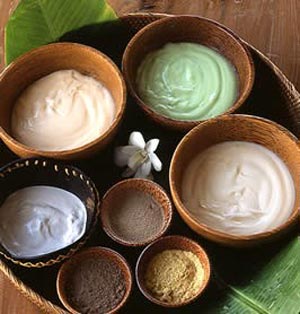
How to make it
This is a cold process soap. You need olive oil, red clay, coconut or palm oil, castor oil, distilled water and caustic soda. Work out the lye and superfat in a lye calculator.
Thanks to the Moroccan clay, the bar has a pleasant, smooth, almost creamy texture. Now it is your turn to create!
FAQ
Why is olive oil soap called Greek soap?
It is the traditional name, as olive oil was the first soap making oil.
What does red clay add?
Warm colour, gentle exfoliation and minerals.
How is this soap made?
By cold process, with lye worked out in a calculator.