-
 DIY: Video master classes
-
 Aromatherapy
-
 Felting master classes
-
 Eating at home
-
 DIY cosmetics for children
-
 Cooking recipes
-
 Detergents, cleaning products with your own hands
-
 Soap making as a business
-
 Natural cosmetics. Raw materials for cosmetics and soap.
-
 Natural oils in cosmetics
-
 News
-
 Recipes for balms and conditioners
-
 Bath Bomb Recipes
-
 Cream recipes. Cream making.
-
 Lotion recipes. Gel recipes.
-
 Mask recipes
-
 Soap recipes. Base soap. Soap from scratch.
-
 Recipes for all occasions
-
 Natural shampoo recipes
-
 Healthy Nutrition Recipes
-
 Scrub recipes. Massage tiles. Ubtan
-
 DIY candles
-
 Reference materials, questions, tips
-
 Startup - soap production
-
 Hair care. Tips, recipes
-
 Facial skin care. Cleansers.
-
 Body care. Tips, recipes
-
 Photo Reviews
-
 Chocolate Handmade
Ubtan for hyperpigmentation.
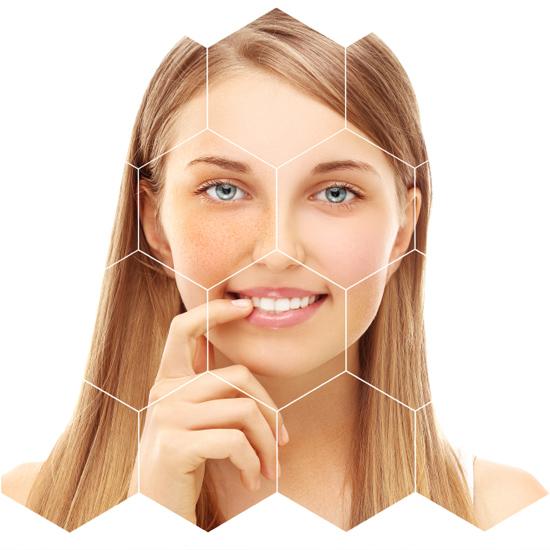
Hello everyone! Ubtans truly impress with their versatility, as one name covers many options for face and body. Ancient Ayurvedic traditions gave us products that not only cleanse gently but also support a more even tone. Recent findings from October 2026 confirm that such blends help reduce the appearance of hyperpigmentation by exfoliating dead cells and boosting circulation without changing melanin production.
History of tanning and pale skin trends
For a long time in Europe pale skin was seen as a sign of aristocratic birth, while tanned skin was associated with peasants working in the fields. Women wore long sleeves, hats and used parasols even in summer to keep a light complexion. Over centuries various powders and mixtures were applied for lightening, sometimes with questionable ingredients, and in the 19th century some even drank vinegar for a paler look. The phrase “blue blood” came from visible veins on very fair skin.
How ubtan supports even tone
Since the 1920s a tan became a symbol of healthy lifestyle, sports and seaside holidays. Today opinions differ on the benefits and risks of sun exposure, and many experts advise protecting skin from excessive UV. In the scrub and ubtan recipes section you can explore various blends that help maintain an even appearance. Fresh data from late October 2026 highlights that ubtans with natural powders promote glow through mild exfoliation and better blood flow.
Those looking for mineral bases may consider the makeup base and mineral filler AuraSphere, which pair well with herbal mixtures. Components such as rice powder and red clay are often used in similar recipes to add texture and a soft effect.
Ubtan recipe for even tone
Ingredients and preparation
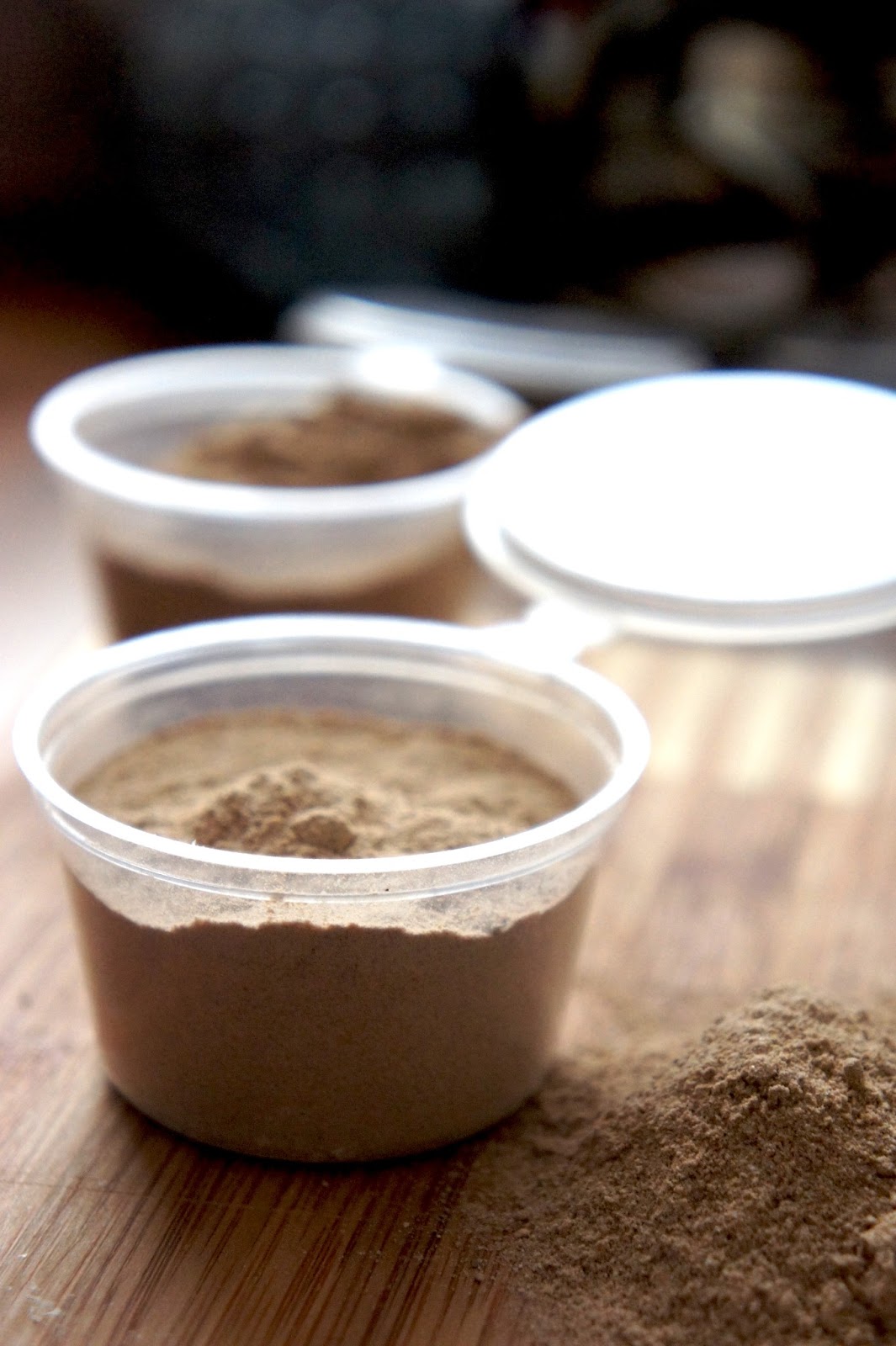
Take 40 grams of chickpea flour, 20 grams of licorice powder, 10 grams of cardamom flour and 30 grams of fuller’s earth, also known as red clay, grind everything into a fine powder and mix thoroughly. To use, combine the blend with yogurt, leave for 10 minutes, then rinse with warm water. This method helps achieve natural radiance and a more even skin appearance.
Healthy, even and smooth skin is always fashionable regardless of colour. More ideas appear in articles about eco homemade ubtan or eastern Ayurvedic ubtan.
FAQ
Can the proportions in the recipe be adjusted?
Small adjustments are acceptable depending on skin type, yet the core ratios are best kept for consistent results.
Q: How often should ubtan be applied?
One to two times a week is enough to keep skin looking fresh and even.
Q: Is the recipe suitable for sensitive skin?
A patch test on a small area is recommended before first use, as individual reactions to ingredients may vary.