-
 DIY: Video master classes
-
 Aromatherapy
-
 Felting master classes
-
 Eating at home
-
 DIY cosmetics for children
-
 Cooking recipes
-
 Detergents, cleaning products with your own hands
-
 Soap making as a business
-
 Natural cosmetics. Raw materials for cosmetics and soap.
-
 Natural oils in cosmetics
-
 News
-
 Recipes for balms and conditioners
-
 Bath Bomb Recipes
-
 Cream recipes. Cream making.
-
 Lotion recipes. Gel recipes.
-
 Mask recipes
-
 Soap recipes. Base soap. Soap from scratch.
-
 Recipes for all occasions
-
 Natural shampoo recipes
-
 Healthy Nutrition Recipes
-
 Scrub recipes. Massage tiles. Ubtan
-
 DIY candles
-
 Reference materials, questions, tips
-
 Startup - soap production
-
 Hair care. Tips, recipes
-
 Facial skin care. Cleansers.
-
 Body care. Tips, recipes
-
 Photo Reviews
-
 Chocolate Handmade
Ecological scrub - ubtan
Travels often bring fresh inspiration for skincare recipes, and ubtan became one such discovery for many enthusiasts. This powder blend has long been used in India as an eco-friendly option for daily skin care. In 2026 authors at greenbelarus.info once again highlighted ubtan as a natural alternative to conventional skin cleansers, where plant powders combined with clay or kitchen flours form the base.
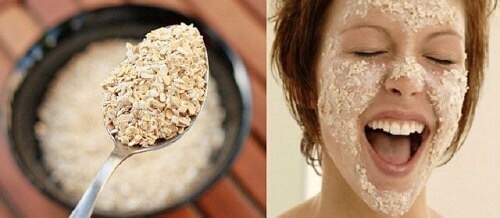
Origin and composition of ubtan
Ubtan is a blend of chickpea flour with dried herbs, spices and mineral additives, always including components rich in saponins for a soft texture. Scrub recipes and ubtan ideas outline the basic proportions that adapt easily to different needs. Typically the mix contains forty percent chickpea flour, thirty percent dried herbs and twenty percent active powders such as salt, clay or pea sprout extract powder. This approach creates a safe product without synthetic surfactants.
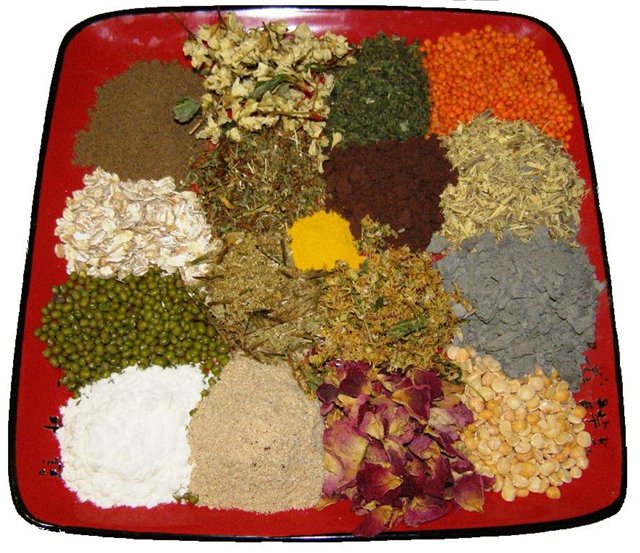
Ubtan recipe for oily skin
For oily skin combine four tablespoons of chickpea flour, three tablespoons of a herb mix including calendula, saponaria and string, two tablespoons of green clay, one tablespoon of rassoul clay and ten drops of tea tree essential oil. Grind all dry ingredients finely and blend them until uniform. Clay is easy to order in bulk. Maritime pine bark extract powder can be added to enrich the mineral profile when a gentle polishing effect is desired.
How to use ubtan
Dilute one teaspoon of the finished blend with water, plant oil, milk or yogurt according to current skin needs. Apply to the face for two to three minutes, allow it to dry slightly, then rinse with comfortably warm water. The ritual leaves skin smooth and soft.
Ubtan recipe for dry mature skin
For dry mature skin prepare two tablespoons of oat powder, two tablespoons of ground flaxseed, three tablespoons of a herb mix with chamomile, cornflower, sage and linden, two tablespoons of red clay, one tablespoon of almond kernel oil and ten drops of geranium essential oil. First grind the dry ingredients, combine them, add the oil and mix thoroughly until smooth.
Dilution options and storage
Store the finished ubtan in a dry place and dilute only before each use. For the body increase quantities while keeping the same ratios. This method encourages experimentation with available ingredients, including citrus zest or cocoa when desired.
FAQ
Can ubtan be used every day?
Yes, the blend suits regular use when skin responds comfortably to the chosen components. It remains important to monitor reactions and adjust the composition accordingly.
Which herbs suit beginners best?
Start with gentle options such as chamomile or calendula to avoid irritation. Introduce other herbs gradually as needed.
Does ubtan replace moisturising?
After rinsing apply a usual cream or oil, since ubtan primarily cleanses and refines the skin surface.





