-
 DIY: Video master classes
-
 Aromatherapy
-
 Felting master classes
-
 Eating at home
-
 DIY cosmetics for children
-
 Cooking recipes
-
 Detergents, cleaning products with your own hands
-
 Soap making as a business
-
 Natural cosmetics. Raw materials for cosmetics and soap.
-
 Natural oils in cosmetics
-
 News
-
 Recipes for balms and conditioners
-
 Bath Bomb Recipes
-
 Cream recipes. Cream making.
-
 Lotion recipes. Gel recipes.
-
 Mask recipes
-
 Soap recipes. Base soap. Soap from scratch.
-
 Recipes for all occasions
-
 Natural shampoo recipes
-
 Healthy Nutrition Recipes
-
 Scrub recipes. Massage tiles. Ubtan
-
 DIY candles
-
 Reference materials, questions, tips
-
 Startup - soap production
-
 Hair care. Tips, recipes
-
 Facial skin care. Cleansers.
-
 Body care. Tips, recipes
-
 Photo Reviews
-
 Chocolate Handmade
Eastern Ubtan
The modern world connects cultures and lets us explore ancient care traditions that were once unknown. Ayurveda, the old Indian science of well-being, offers time-tested remedies, and ubtan is one of them. This cleansing powder remains popular in present-day India and fits easily into everyday routines.
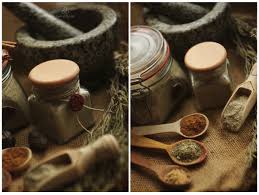
What ubtan is and how to prepare it
Ubtan is a finely ground powder made from cereal and legume flours, dried herbs, clay and spices. Scrub and ubtan recipes demonstrate how many variations exist. The key requirement is the finest possible grind so the paste feels comfortable on the skin. Depending on skin type, oat, flax or lentil flour can be added while avoiding high-gluten options. Ingredients rich in natural saponins, such as calamus or liquorice, are included to support gentle cleansing during rinsing.
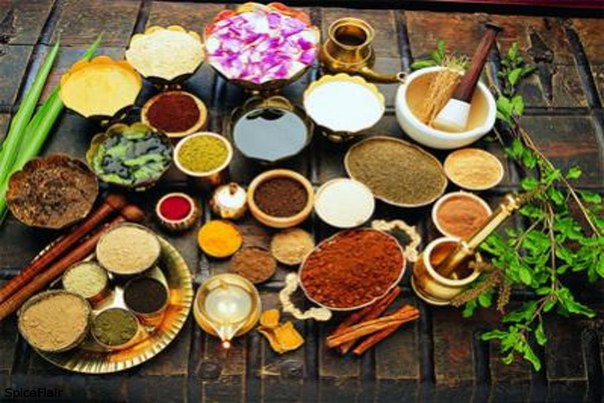
The classic ratio is forty percent flour base, forty percent dried herbs and twenty percent clay, salt or turmeric. Ubtan is mixed right before use with hot water, hydrosol or milk until it forms a soft paste. The blend is applied with light massage movements, left for five minutes and rinsed off. Afterwards the skin feels smooth, fresh and comfortable. For dry skin, base oils can replace water, and a few drops of essential oil may be added if desired.
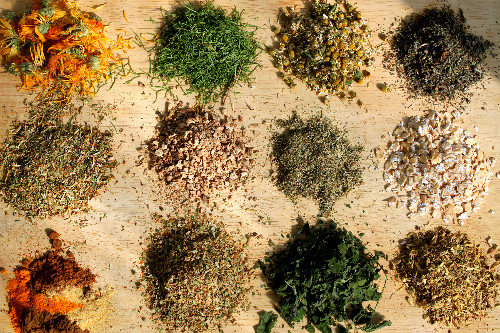
Recipe for ubtan “Magic of the East”
The basic ubtan combines chickpea flour, flax powder, Ghassoul clay, lavender powder, sage powder, nettle powder and turmeric. Pea sprout extract powder pairs well with the chickpea base, while maritime pine bark extract powder brings antioxidant qualities to the mix. Take two tablespoons of chickpea flour, two tablespoons of flax powder, two tablespoons of Ghassoul clay, one tablespoon of lavender powder, two tablespoons of sage powder, one tablespoon of nettle powder and one teaspoon of turmeric. Grind everything finely in a coffee grinder, combine thoroughly and, if preferred, add fifteen to twenty drops of an essential oil chosen for the skin type.
Store the finished dry blend in a tightly closed jar. Before each use, measure out the needed amount and dilute it to a paste-like consistency. This ubtan works well as a mild scrub and mask in one step.
FAQ
How long does the dry ubtan mix keep?
The dry powder stays fresh for several months when kept in a cool, dry place inside an airtight container.
Can chickpea flour be replaced with other flours?
Yes, partial substitution with oat or lentil flour is possible when the skin does not require strong cleansing.
Which liquid is best for mixing?
Hot water suits most skin types, while milk or a base oil feels more comfortable for dry skin.
Are essential oils required in every recipe?
No, essential oils are added only if desired and with attention to individual tolerance.





