
-
 DIY: Video master classes
-
 Aromatherapy
-
 Felting master classes
-
 Eating at home
-
 DIY cosmetics for children
-
 Cooking recipes
-
 Detergents, cleaning products with your own hands
-
 Soap making as a business
-
 Natural cosmetics. Raw materials for cosmetics and soap.
-
 Natural oils in cosmetics
-
 News
-
 Recipes for balms and conditioners
-
 Bath Bomb Recipes
-
 Cream recipes. Cream making.
-
 Lotion recipes. Gel recipes.
-
 Mask recipes
-
 Soap recipes. Base soap. Soap from scratch.
-
 Recipes for all occasions
-
 Natural shampoo recipes
-
 Healthy Nutrition Recipes
-
 Scrub recipes. Massage tiles. Ubtan
-
 DIY candles
-
 Reference materials, questions, tips
-
 Startup - soap production
-
 Hair care. Tips, recipes
-
 Facial skin care. Cleansers.
-
 Body care. Tips, recipes
-
 Photo Reviews
-
 Chocolate Handmade
Tildomania swept everyone, but what is it?
Anyone who enjoys cute dolls, soft toys and charming little trinkets has probably come across the term Tilda doll. Craftswomen around the world sew not only toys but also home decor items in this gentle style that adds a special sense of comfort. In our reference materials section you can find more practical ideas for creative projects of this kind.
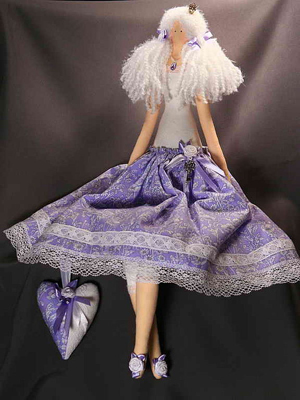
Who invented the first Tilda doll
An ordinary girl who loved making things and worked in a store selling handmade supplies once created her first doll from whatever materials she had on hand. Within a year the idea gained wide popularity, and Toni Finanger, as the creator is called, signed a publishing contract and began writing fairy tales for children. Today Tilda refers not only to a toy but to an entire stylistic approach marked by softness, pastel tones and natural materials. In the decor category you can explore options for styling bedrooms and country houses in the same spirit, along with brown candle jars and transparent candle jars as finishing touches.
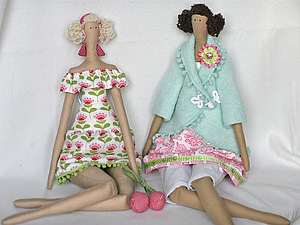
What makes a Tilda piece recognizable
The unique patterns developed by Finanger form the basis of the style, where Tilda covers not only girl dolls but also cats, fairy animals, snails and hearts. They share a recognizable palette of pastel and softened shades, fabrics with polka dots, stripes or checks, and trims such as lace, ruffles and buttons. The heads remain small, featuring bead eyes, a tiny nose and a miniature mouth, while rosy cheeks and a neat hairstyle give the figures their tender appeal. Each toy is usually given a clear role, such as a ballerina, an angel, a princess or a housewife in an apron, and all share a plump, pear-shaped silhouette. Cotton fragrance oil adds a pleasant scent to finished pieces.
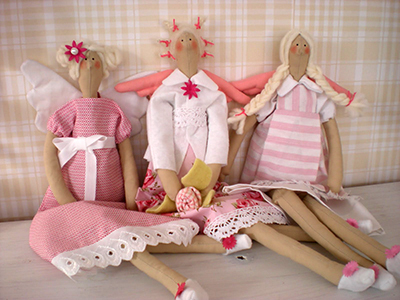
When sewing your own version it is best to use only natural fabrics like linen or cotton. Should a specific skin tone be needed, food dyes work well. Watercolor pencils help draw the face, lush yarn creates the hair and holofiber serves as filling. The finished result usually exceeds expectations and brings lasting comfort to the space.
FAQ
Who created the Tilda style?
Tilda was invented by Toni Finanger, who worked in a handmade supplies store and made her first doll from everyday materials.
Which fabrics suit Tilda projects?
Natural fabrics such as linen and cotton are recommended, along with food dyes when a particular shade is desired.
What is used to stuff Tilda dolls?
Holofiber is the usual choice for filling, while lush yarn works well for creating the hair.
What colors define the Tilda look?
The style relies on pastel tones, softened shades and fabrics featuring small patterns like dots or checks.





