-
 DIY: Video master classes
-
 Aromatherapy
-
 Felting master classes
-
 Eating at home
-
 DIY cosmetics for children
-
 Cooking recipes
-
 Detergents, cleaning products with your own hands
-
 Soap making as a business
-
 Natural cosmetics. Raw materials for cosmetics and soap.
-
 Natural oils in cosmetics
-
 News
-
 Recipes for balms and conditioners
-
 Bath Bomb Recipes
-
 Cream recipes. Cream making.
-
 Lotion recipes. Gel recipes.
-
 Mask recipes
-
 Soap recipes. Base soap. Soap from scratch.
-
 Recipes for all occasions
-
 Natural shampoo recipes
-
 Healthy Nutrition Recipes
-
 Scrub recipes. Massage tiles. Ubtan
-
 DIY candles
-
 Reference materials, questions, tips
-
 Startup - soap production
-
 Hair care. Tips, recipes
-
 Facial skin care. Cleansers.
-
 Body care. Tips, recipes
-
 Photo Reviews
-
 Chocolate Handmade
How to store prepared lip balm
In earlier posts I shared several lip balm recipes that anyone can make at home. Today the focus is on proper storage and gentle ways to add color without synthetic dyes. In the reference materials section you can find more tips on caring for lips throughout the year.
Storage rules for a homemade balm
Store-bought balms often contain stabilizers that allow flexible conditions. A handcrafted version made only from oils and waxes requires stricter attention so the ingredients stay fresh. Once the mixture is ready, pour it straight into a small clean jar with a lid. Tamarind seed oil works nicely as a liquid base in such blends.
Temperature and light protection
Keep the jar away from direct sunlight, otherwise the balm may melt and leak. A cool cupboard or shelf far from heaters works best. Under these conditions the product remains good for six to twelve months, which is shorter than industrial versions but still reasonable given the natural ingredients. Beeswax and shea butter balm stores well following the same advice.
Adding color with natural ingredients
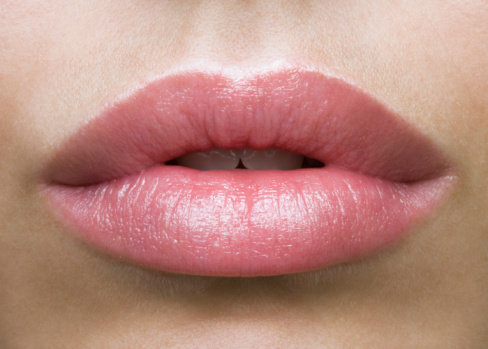
If you want the balm to moisturize and give lips a soft tint at the same time, natural colorants work well. A few drops of sea buckthorn oil create a carrot-like shade, yet use them sparingly to avoid an overly bright result. pumpkin seed oil extract can serve as a mild tint when stirred into the warm mass. For a red tone, simmer berries in the liquid oil you plan to use, then remove the berries with a fork. The remaining colored oil serves as a gentle dye. Add any colorant while the mixture is still thickening and stir thoroughly. Basic lip balm recipe shows the final steps in detail.
FAQ
Can I keep the balm in the bathroom?
Only if the room stays cool and dry, otherwise the shelf life shortens noticeably.
Does added color affect balm quality?
Natural tints from sea buckthorn or berries leave the texture and moisturizing properties unchanged.
How do I know the balm has spoiled?
Watch for off smells or grainy texture; if either appears, prepare a fresh batch.