
-
 DIY: Video master classes
-
 Aromatherapy
-
 Felting master classes
-
 Eating at home
-
 DIY cosmetics for children
-
 Cooking recipes
-
 Detergents, cleaning products with your own hands
-
 Soap making as a business
-
 Natural cosmetics. Raw materials for cosmetics and soap.
-
 Natural oils in cosmetics
-
 News
-
 Recipes for balms and conditioners
-
 Bath Bomb Recipes
-
 Cream recipes. Cream making.
-
 Lotion recipes. Gel recipes.
-
 Mask recipes
-
 Soap recipes. Base soap. Soap from scratch.
-
 Recipes for all occasions
-
 Natural shampoo recipes
-
 Healthy Nutrition Recipes
-
 Scrub recipes. Massage tiles. Ubtan
-
 DIY candles
-
 Reference materials, questions, tips
-
 Startup - soap production
-
 Hair care. Tips, recipes
-
 Facial skin care. Cleansers.
-
 Body care. Tips, recipes
-
 Photo Reviews
-
 Chocolate Handmade
How to sew sequins?
Women often embellish items to give them a festive and exclusive look, especially when working on children’s costumes, dancewear or home textiles. Attaching sequins requires patience because each tiny piece is fixed individually, and not everyone knows the most convenient techniques right away. Many ideas for festive decoration can be found in the reference materials section of our blog.
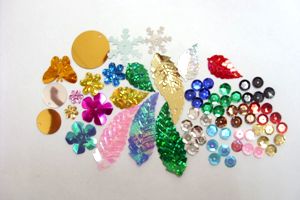
Traditional sewing methods
For round sequins with a central hole the backstitch works well, when a fine thread is passed through the needle eye, a knot is tied at the end and the sequin is secured so the knot stays on the reverse side. After that the next sequin is attached and they overlap, completely hiding the stitches from view. For inspiration on costume embellishment it helps to check the decor category.
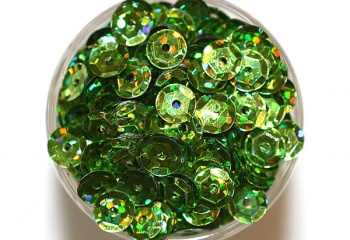
Strong thread choices
When decorating interior items, toys or outerwear the thread is replaced with thin fishing line so the attachment withstands frequent use. For dance costumes it is better to choose nylon thread that matches skin tone, keeping the stitches invisible during movement.
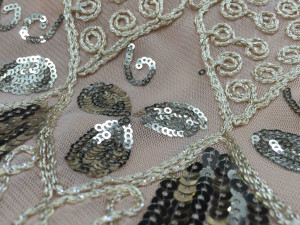
Loop technique
If the backstitch feels complicated, the loop method can be used instead, when the needle comes out in the centre of the sequin, returns and leaves a small loop through which the needle is then passed to make a securing stitch. In this case the sequins lie close together like fish scales and cover the surface densely. Additional materials for decoration appear among makeup bases in the catalog.
Alternative attachment options
Special glues sold in sewing shops fix sequins, beads and other decorative elements so the bond survives washing, holds strongly and requires no sewing skills. Even beginners manage the task easily when glue replaces the needle. If the decoration is needed only for one performance or photo session the sequins can be lightly basted, and visually they look neat although they will not last long.
Those who prefer quick solutions often choose ready patterns on a special backing that transfer to fabric with a simple iron press. Such appliqués work well on denim or to cover small fabric flaws. Many useful decorating tips appear in the reference materials section, while ideas for costume and interior embellishment can be found in the decor category.
FAQ
Which stitch suits beginners best?
The backstitch lets you attach sequins quickly with little experience while keeping stitches hidden.
Can glue replace thread?
Yes, special glue provides a wash-resistant bond that holds firmly and suits those who do not sew.
How to decorate jeans without a needle?
Ready patterns on heat backing transfer with an iron and cover small fabric damage neatly.
What thread works for stage costumes?
Nylon thread matching skin tone keeps stitches invisible during dance and does not restrict movement.





