-
 DIY: Video master classes
-
 Aromatherapy
-
 Felting master classes
-
 Eating at home
-
 DIY cosmetics for children
-
 Cooking recipes
-
 Detergents, cleaning products with your own hands
-
 Soap making as a business
-
 Natural cosmetics. Raw materials for cosmetics and soap.
-
 Natural oils in cosmetics
-
 News
-
 Recipes for balms and conditioners
-
 Bath Bomb Recipes
-
 Cream recipes. Cream making.
-
 Lotion recipes. Gel recipes.
-
 Mask recipes
-
 Soap recipes. Base soap. Soap from scratch.
-
 Recipes for all occasions
-
 Natural shampoo recipes
-
 Healthy Nutrition Recipes
-
 Scrub recipes. Massage tiles. Ubtan
-
 DIY candles
-
 Reference materials, questions, tips
-
 Startup - soap production
-
 Hair care. Tips, recipes
-
 Facial skin care. Cleansers.
-
 Body care. Tips, recipes
-
 Photo Reviews
-
 Chocolate Handmade
History of homemade creams
Dear readers, we invite you to discover the history of homemade creams and try a simple recipe for a nourishing product. In our blog you will find plenty of useful information in the reference materials section, where tips on skin care are collected.
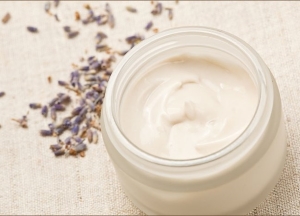
Origins of homemade cream making
Women have always sought to preserve beauty and care for their skin using available natural ingredients. In ancient times they applied mixtures of plant oils, herbal and fruit infusions, essential oils, charcoal, sea salt and clay. These components still form the basis of many modern products. The first cream appeared as early as the second century AD, and its composition included beeswax, water and spermaceti. Mass production began only in the twentieth century when the Nivea company entered the market, after which homemade cream making was somewhat forgotten.
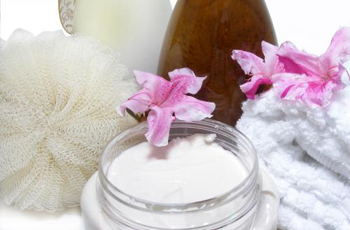
Modern approach to natural recipes
Today many people return to homemade versions because they allow full control over the composition. In our catalog you can order solid oils for such recipes, including macadamia oil or pumpkin seed oil extract. For the water phase mineral water without gas or an infusion of chamomile or calendula works well. Aloe gel often serves as an emulsifier, while those who prefer natural options sometimes use mumiyo. If you plan to store the cream for up to ten days, add a preservative such as propolis oil extract or tea tree essential oil.
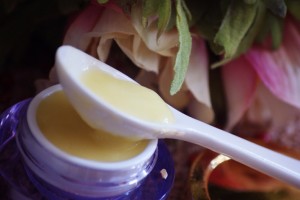
Step-by-step cream preparation
Melt solid oils such as shea, macadamia or coconut butter in a water bath, then slowly add the water phase and aloe gel. Mix thoroughly until homogeneous, transfer to a sterile jar and let cool. This cream leaves skin soft, velvety and silky.
FAQ
Why are homemade creams still popular today?
They let you control the composition and use natural ingredients that women have relied on for centuries.
What basic components are needed for a simple cream?
Usually solid oils, a water phase and a natural emulsifier, with preservatives added for storage.
Can aloe gel be replaced in the recipe?
Yes, some choose mumiyo for extra skin care.
How should homemade cream be stored?
Transfer the finished product to a sterile jar and keep it in a cool place.





