
-
 DIY: Video master classes
-
 Aromatherapy
-
 Felting master classes
-
 Eating at home
-
 DIY cosmetics for children
-
 Cooking recipes
-
 Detergents, cleaning products with your own hands
-
 Soap making as a business
-
 Natural cosmetics. Raw materials for cosmetics and soap.
-
 Natural oils in cosmetics
-
 News
-
 Recipes for balms and conditioners
-
 Bath Bomb Recipes
-
 Cream recipes. Cream making.
-
 Lotion recipes. Gel recipes.
-
 Mask recipes
-
 Soap recipes. Base soap. Soap from scratch.
-
 Recipes for all occasions
-
 Natural shampoo recipes
-
 Healthy Nutrition Recipes
-
 Scrub recipes. Massage tiles. Ubtan
-
 DIY candles
-
 Reference materials, questions, tips
-
 Startup - soap production
-
 Hair care. Tips, recipes
-
 Facial skin care. Cleansers.
-
 Body care. Tips, recipes
-
 Photo Reviews
-
 Chocolate Handmade
Everything and a little more about vitamins.
Vitamins have long been known as important elements in the body’s internal processes, and recently they appear more often in cosmetic products. Manufacturers add them to creams, lotions and serums because many retain their properties when applied externally. In homemade blends they help maintain elasticity, hydration and even tone, making care more targeted. Buy vitamins in the catalog where various forms for cosmetic recipes are presented.
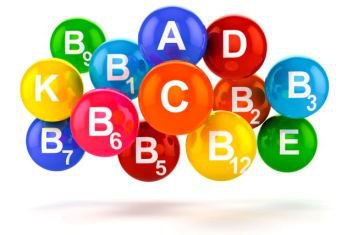
Which vitamins are most often called beauty vitamins
Cosmetologists highlight several components that noticeably influence skin condition when used externally. Among them are retinol, tocopherol and ascorbic acid. They are introduced into various bases to enhance nourishment and protection from external factors. In the reference materials section you can find additional advice on combining such ingredients.
Retinol and its effect on elasticity
Retinol is known for its ability to support skin structure at the cellular level. When added to a cream or serum, skin looks firmer and smoother. Niacinamide is often paired with retinol to achieve a gentler action and more even tone.
Tocopherol for protection and hydration
Tocopherol helps skin retain moisture and resist ultraviolet exposure. Its deficiency often shows as dryness and dullness, so adding it to homemade recipes promotes smoothing of fine lines and a refreshed appearance. Mixed tocopherols can be sourced from the relevant category to dose the ingredient accurately.
Ascorbic acid and tone care
Ascorbic acid is considered a strong antioxidant that supports an even skin appearance and helps care for areas prone to unevenness. In blends it refreshes and contributes to natural radiance.
FAQ
Can several vitamins be combined in one product?
Yes, retinol, tocopherol and ascorbic acid are often introduced together when correct proportions and stable forms are observed.
Q: How should products with vitamins be stored?
Finished blends are best kept in a dark, cool place to preserve component activity.
Q: Are such recipes suitable for sensitive skin?
Start with low concentrations and test the reaction on a small area.





