-
 DIY: Video master classes
-
 Aromatherapy
-
 Felting master classes
-
 Eating at home
-
 DIY cosmetics for children
-
 Cooking recipes
-
 Detergents, cleaning products with your own hands
-
 Soap making as a business
-
 Natural cosmetics. Raw materials for cosmetics and soap.
-
 Natural oils in cosmetics
-
 News
-
 Recipes for balms and conditioners
-
 Bath Bomb Recipes
-
 Cream recipes. Cream making.
-
 Lotion recipes. Gel recipes.
-
 Mask recipes
-
 Soap recipes. Base soap. Soap from scratch.
-
 Recipes for all occasions
-
 Natural shampoo recipes
-
 Healthy Nutrition Recipes
-
 Scrub recipes. Massage tiles. Ubtan
-
 DIY candles
-
 Reference materials, questions, tips
-
 Startup - soap production
-
 Hair care. Tips, recipes
-
 Facial skin care. Cleansers.
-
 Body care. Tips, recipes
-
 Photo Reviews
-
 Chocolate Handmade
Raw materials for cosmetics
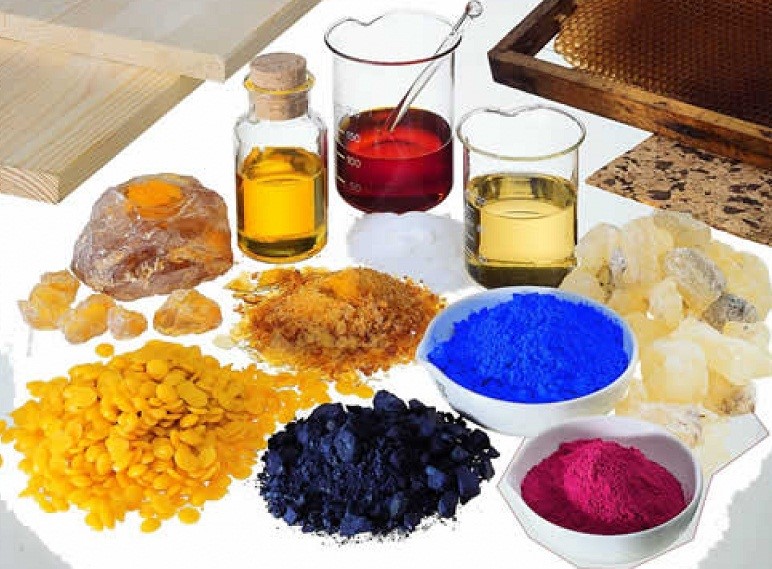
The modern cosmetics market offers many ready-made options for daily care, yet more people now prefer making their own products to control every ingredient and avoid unnecessary additives. The company supplies a wide range of active ingredients and auxiliary raw materials from leading global producers, allowing creation of personalised items that match individual needs.
Active components and their role
Demand for cosmetics stems from the wish to maintain an attractive appearance while caring for skin condition. Instead of blindly purchasing new releases, many study ingredient lists and choose natural options that can be blended at home. Niacinamide and other vitamins help support even tone and hydration, while peptides contribute to a firmer feel. This approach reduces the chance of unwanted reactions and lets users know exactly what touches their skin.
Benefits of homemade preparation
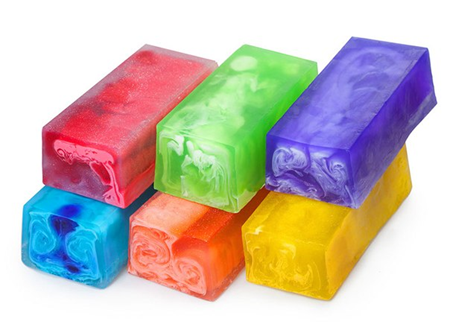
Self-made products appeal through their natural character and the freedom to adjust texture and scent. Natural cosmetics raw materials in our catalogue include extracts, antioxidants and preservatives that simplify the process. Euxyl K 100 is frequently chosen for emulsion stability, and dry extracts allow experimentation with concentrations. The hobby of crafting cosmetics requires a quality base, so supplier choice directly affects the final result.
How to choose a reliable supplier
Many stores operate in this market, therefore attention should be paid to certificates, physical address and customer reviews. Wholesale prices for raw materials help compare offers, while a broad assortment lets you purchase everything needed in one place. The company ensures quality from world producers, offers consultations by phone or online, flexible pricing for retail and wholesale clients, and round-the-clock ordering.
Ready recipes of varying complexity and expert tips ease the start for beginners. You can begin with simple emulsions or masks and gradually add active components. Essential oils provide pleasant aroma, and natural colorants help create visually appealing textures without synthetic dyes.
FAQ
Why choose natural ingredients for cosmetics?
The reason lies in the ability to control the composition and avoid extra additives often present in mass-market products.
Can different active components be combined independently?
Yes, with a quality base and suitable preservatives this is entirely feasible and allows unique textures tailored to personal preferences.
What advantages come from working with one store?
You receive a wide assortment, expert consultations and flexible conditions for both retail and wholesale orders in a single location.