-
 DIY: Video master classes
-
 Aromatherapy
-
 Felting master classes
-
 Eating at home
-
 DIY cosmetics for children
-
 Cooking recipes
-
 Detergents, cleaning products with your own hands
-
 Soap making as a business
-
 Natural cosmetics. Raw materials for cosmetics and soap.
-
 Natural oils in cosmetics
-
 News
-
 Recipes for balms and conditioners
-
 Bath Bomb Recipes
-
 Cream recipes. Cream making.
-
 Lotion recipes. Gel recipes.
-
 Mask recipes
-
 Soap recipes. Base soap. Soap from scratch.
-
 Recipes for all occasions
-
 Natural shampoo recipes
-
 Healthy Nutrition Recipes
-
 Scrub recipes. Massage tiles. Ubtan
-
 DIY candles
-
 Reference materials, questions, tips
-
 Startup - soap production
-
 Hair care. Tips, recipes
-
 Facial skin care. Cleansers.
-
 Body care. Tips, recipes
-
 Photo Reviews
-
 Chocolate Handmade
Preservatives in cosmetics
Hello dear readers who enjoy creating quality cosmetics at home. Lately I have received many questions about preservatives, which ones can be used, which ones are better avoided, and how they affect the skin. With my background in the cosmetics industry I would like to share practical knowledge on this topic.
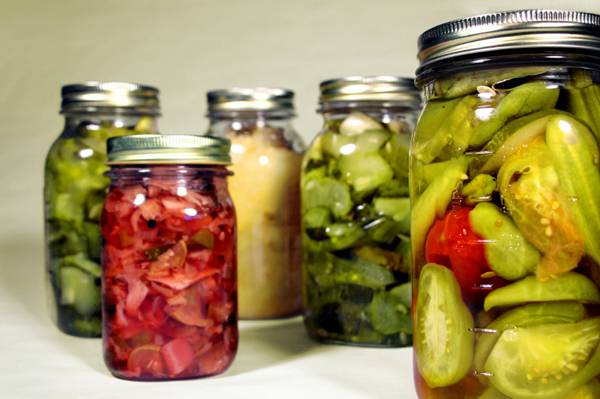
Why preservatives cannot be avoided
No product intended for use longer than five days can do without preservatives. They protect the composition from unwanted microorganisms that would otherwise spoil texture and appearance. In our natural cosmetics raw materials section you will find many helpful materials on this subject.

Synthetic versus natural options
All preservatives are generally divided into synthetic and natural. Synthetics appeared in the last century with the growth of the chemical industry. Among them were antiseptics such as formaldehyde, now banned due to possible allergic reactions, and parabens, which remain controversial. Parabens are still present in many industrial products, yet their effect on skin continues to be studied. Antioxidant preservatives such as triclosan may disrupt the natural balance of the skin.

Natural preservatives for homemade recipes
For those who value natural ingredients there is an excellent alternative. Natural preservatives not only keep the product stable but also provide additional care for the skin. In the shop you can find quality options such as PhytoCide Elderberry OS and TRIstat ECO, which fit well into homemade compositions. Preservatives from our store are available too.
Salt and bee products
One of the oldest preservatives is salt, especially sea salt or Dead Sea salt. Its drawback is that it draws out moisture, so it is best used in scrubs. Bee products such as wax, honey and propolis are also excellent. Natural beeswax in lip balms and creams for feet and hands can make up to fifty percent, while in face creams it reaches up to five percent. The same applies to jojoba oil at a concentration of twenty-five percent or higher.
Plant extracts, glycerin and essential oils
Plant extracts also preserve homemade products well. Walnut extract is added at ten to fifteen drops per fifty grams of product. Grapefruit seed oil extract in its pure form can last up to nine years. Natural glycerin shows a preserving effect when its content in the finished product is fifteen to twenty percent. Essential oils remain the kings among natural preservatives. Citrus oils, conifer oils, eucalyptus, cinnamon, clove, rose, ylang-ylang, sandalwood, rosemary and thyme perform especially well. Homemade cream is best kept in the refrigerator to extend its shelf life.
FAQ
Can you skip preservatives in products used longer than five days?
No, without them it is difficult to prevent spoilage of texture and growth of unwanted microorganisms, so preservatives remain a necessary part of most recipes.
Which natural ingredients are most often used as preservatives?
Salt, beeswax, honey, propolis, jojoba oil, plant extracts, glycerin and essential oils.
Should homemade creams be stored in the refrigerator?
Yes, this helps maintain freshness and extends the shelf life of the product.
Where can one find quality natural preservatives for cosmetics?
In specialised raw material shops that offer tested components such as elderberry extract or TRIstat ECO.