
-
 DIY: Video master classes
-
 Aromatherapy
-
 Felting master classes
-
 Eating at home
-
 DIY cosmetics for children
-
 Cooking recipes
-
 Detergents, cleaning products with your own hands
-
 Soap making as a business
-
 Natural cosmetics. Raw materials for cosmetics and soap.
-
 Natural oils in cosmetics
-
 News
-
 Recipes for balms and conditioners
-
 Bath Bomb Recipes
-
 Cream recipes. Cream making.
-
 Lotion recipes. Gel recipes.
-
 Mask recipes
-
 Soap recipes. Base soap. Soap from scratch.
-
 Recipes for all occasions
-
 Natural shampoo recipes
-
 Healthy Nutrition Recipes
-
 Scrub recipes. Massage tiles. Ubtan
-
 DIY candles
-
 Reference materials, questions, tips
-
 Startup - soap production
-
 Hair care. Tips, recipes
-
 Facial skin care. Cleansers.
-
 Body care. Tips, recipes
-
 Photo Reviews
-
 Chocolate Handmade
Information about surfactants
Surfactants appear in almost every daily cleanser, shower gel and shampoo because they help spread the product evenly and lift away excess oil. At the same time they can influence the skin’s natural barrier, so those who make products prefer milder grades that maintain comfort during regular use.
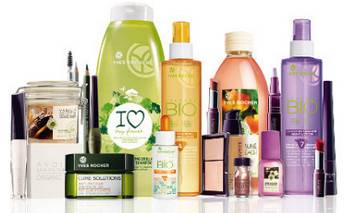
Main surfactant groups
Surfactants fall into three chemical families. Anionic types produce abundant foam yet interact more noticeably with the lipid barrier. Non-ionic surfactants, derived from glycerin and fatty acids, feel gentler and commonly feature in shampoos and gels that leave skin soft. Amphoteric surfactants protect the skin best but generate less foam, which is why they are frequently blended with other groups. Surfactants from our store suit many recipes.
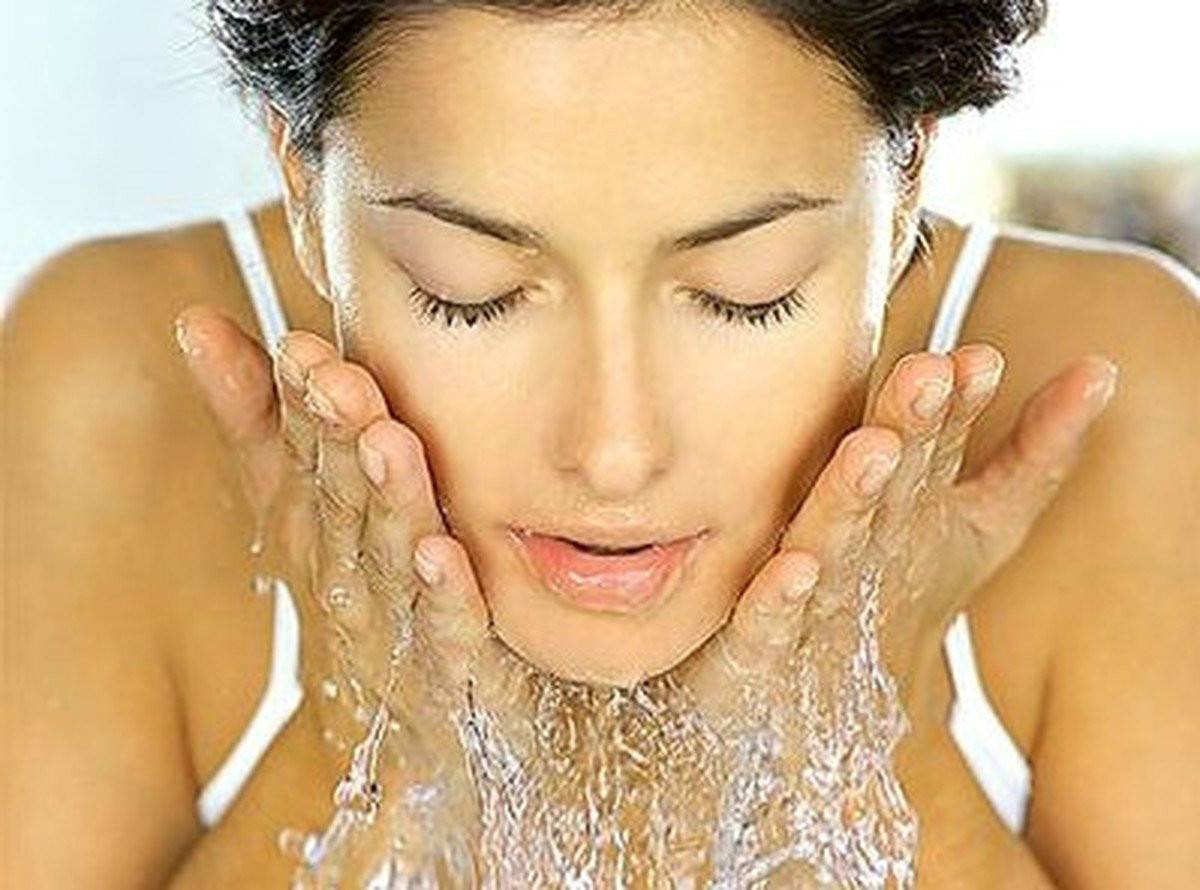
How surfactants deliver active ingredients
Beyond cleansing, surfactants act as carriers for nourishing, hydrating and vitamin-rich components. Their temporary effect on barrier permeability helps beneficial molecules reach deeper layers. In our natural cosmetics raw materials section you can find gentle options such as Hostapon SG and GlucoTain Clear that suit delicate recipes.
Points to consider when selecting surfactants
When building your own products it helps to balance foaming power with skin compatibility. Combining different surfactant families often yields pleasant texture while reducing the chance of discomfort. Always patch-test the finished blend on a small area to confirm personal tolerance.
FAQ
Can different surfactant types be combined in one product?
Yes, blending anionic and amphoteric surfactants often improves both foam and mildness.
Which surfactants affect the skin barrier the least?
Amphoteric and non-ionic grades are generally regarded as the most compatible.
Are surfactants used only for cleansing?
No, they also help distribute moisturising and nourishing ingredients evenly.





