
-
 DIY: Video master classes
-
 Aromatherapy
-
 Felting master classes
-
 Eating at home
-
 DIY cosmetics for children
-
 Cooking recipes
-
 Detergents, cleaning products with your own hands
-
 Soap making as a business
-
 Natural cosmetics. Raw materials for cosmetics and soap.
-
 Natural oils in cosmetics
-
 News
-
 Recipes for balms and conditioners
-
 Bath Bomb Recipes
-
 Cream recipes. Cream making.
-
 Lotion recipes. Gel recipes.
-
 Mask recipes
-
 Soap recipes. Base soap. Soap from scratch.
-
 Recipes for all occasions
-
 Natural shampoo recipes
-
 Healthy Nutrition Recipes
-
 Scrub recipes. Massage tiles. Ubtan
-
 DIY candles
-
 Reference materials, questions, tips
-
 Startup - soap production
-
 Hair care. Tips, recipes
-
 Facial skin care. Cleansers.
-
 Body care. Tips, recipes
-
 Photo Reviews
-
 Chocolate Handmade
Hydratant "Green Tea" for oily skin: description, recipe, method of application
Many women want to keep their skin in good condition with simple homemade products. A hydratant based on green tea works well for oily skin because it helps retain moisture and refreshes the appearance. In our natural cosmetics section you will find more ideas for making your own blends.
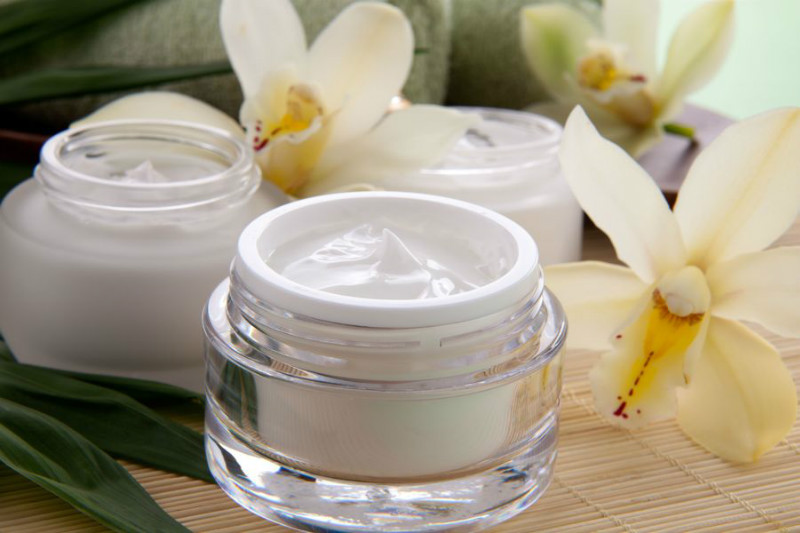
Main properties of a hydratant
A hydratant can take the form of a cream, toner, lotion or mask, and is most often recommended for women over twenty-five. This product acts on the skin in a complex way by maintaining normal moisture levels and helping to avoid dryness. It also supports better tone and protects against ultraviolet exposure when used regularly.
Hygroscopic components in the blend
Substances such as sorbitol, lactic acid, glycerin and sodium lactate absorb moisture from the air and deliver it to the outer skin layer. They work best when combined with alpha-hydroxy acids and minerals to make results more visible. These ingredients slow down moisture evaporation and leave the skin soft throughout the day.
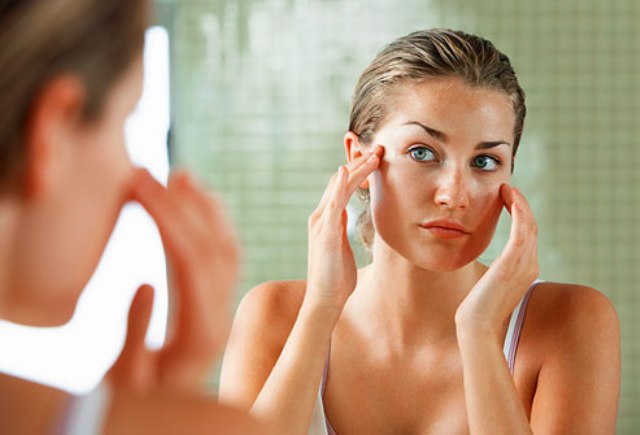
Hydrophobic and hydrophilic hydratants
Hydrophobic versions come from petrolatum, wax or paraffin and form a thin film that holds moisture inside. Hydrophilic ingredients such as hyaluronic acid or chitosan create a gel-like structure on the surface when they meet water. Both types help the skin stay moisturised without a tight feeling.
Analogues of epidermal lipids
This group includes ceramides, steroid esters, unsaturated fatty acids and lanolin. They penetrate deeper and support restoration of the skin’s natural barrier. Using these substances together with mixed tocopherols and niacinamide strengthens the overall care effect.
Who benefits from a green tea hydratant
A hydratant with green tea extract suits owners of oily skin because it moisturises while helping to control shine. This care option works for daily use and does not overload the skin. Liquid extracts can be bought from our store.
Recipe for preparing the hydratant
To create a homemade version, take green tea and chamomile hydrosol, extracts of green tea, string and laminaria, guar, thymol, vitamin E, glycerin, tea tree oil and D-panthenol. Mix all components thoroughly and pour into a glass container. Store the finished product in the refrigerator for no longer than three weeks. Apply it as a day or night cream, spreading evenly over the face. Regular use helps the skin look fresher and less oily while fine lines become less noticeable. The product also protects against sun exposure and supports removal of toxins from the surface.
FAQ
How long can the finished hydratant be stored?
Keep the product in the refrigerator for a maximum of three weeks after preparation. After this period it is better to make a fresh batch to preserve ingredient freshness.
Can the hydratant replace a regular cream?
Yes, the product works as a complete day or night cream for oily skin. It provides moisture without a heavy texture.
What extra components improve the recipe?
You can add niacinamide or tocopherols to the base composition to boost antioxidant properties and support even tone.





