
-
 DIY: Video master classes
-
 Aromatherapy
-
 Felting master classes
-
 Eating at home
-
 DIY cosmetics for children
-
 Cooking recipes
-
 Detergents, cleaning products with your own hands
-
 Soap making as a business
-
 Natural cosmetics. Raw materials for cosmetics and soap.
-
 Natural oils in cosmetics
-
 News
-
 Recipes for balms and conditioners
-
 Bath Bomb Recipes
-
 Cream recipes. Cream making.
-
 Lotion recipes. Gel recipes.
-
 Mask recipes
-
 Soap recipes. Base soap. Soap from scratch.
-
 Recipes for all occasions
-
 Natural shampoo recipes
-
 Healthy Nutrition Recipes
-
 Scrub recipes. Massage tiles. Ubtan
-
 DIY candles
-
 Reference materials, questions, tips
-
 Startup - soap production
-
 Hair care. Tips, recipes
-
 Facial skin care. Cleansers.
-
 Body care. Tips, recipes
-
 Photo Reviews
-
 Chocolate Handmade
History of Soap and soap making
The topic we touch on today reaches far into the past yet stays relevant now. Few household items boast such ancient roots as a simple bar of soap, known since time immemorial and even surrounded by legends.
Beginnings of soap
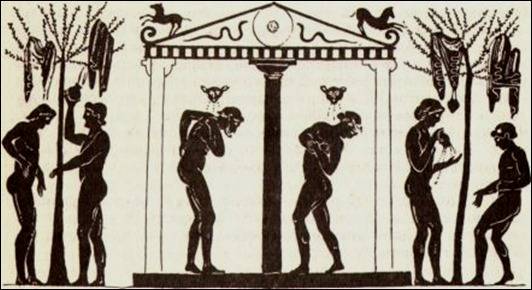
Opinions still differ on who first created soap. Some credit the ancient Gauls, who mixed fat with ash to cleanse hair and body while also holding elaborate hairstyles in place. Others point to Roman women washing laundry in the Tiber near Mount Sapo, where they noticed that the leftover fat and ash from sacrifices cleaned fabrics better. The word sapo later became soap in English. Archaeologists uncovered soap workshops in Pompeii, while Egyptians maintain that soap was known in ancient Egypt six thousand years ago, supported by papyruses describing blends of vegetable and animal fats with alkaline salts. Some peoples managed without soap: Scythians applied a mixture of wood powder and water to the body then scraped it off, and others rubbed skin with sand or clay. Today anyone can prepare quality soap by visiting the natural cosmetics recipes section that offers all the necessary highgrade ingredients.
Adding fragrance to classic blends
Ancient mixtures often included natural additives, and modern makers enhance their compositions with ingredients such as Pacific Chill Louis Vuitton fragrance for a fresh note or Aqva pour homme Bvlgari fragrance for a more classic profile.
Soap making in the Middle Ages
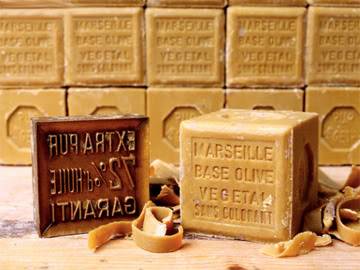
During the Middle Ages soap was regarded as a precious item. Bathing the body and hair was uncommon, with most people washing only a few times in their lives under the influence of the church that viewed the body as sinful. Crusaders were surprised by the emphasis on cleanliness in Arab lands during the campaigns. A knight could win favor by bringing a ball of soap from Damascus. Arabs were the first to produce solid soap. Production gradually spread to Spain, and olive oil soaps appeared across the Mediterranean. France still makes the famous Marseille soap rich in olive oil, which sailors used to wash themselves and their clothes. From the sixteenth century soap became more widely used as a cleansing agent. Methods of production were kept secret, and kings issued decrees forbidding soap makers from lodging with other craftsmen.
The new era of cleanliness
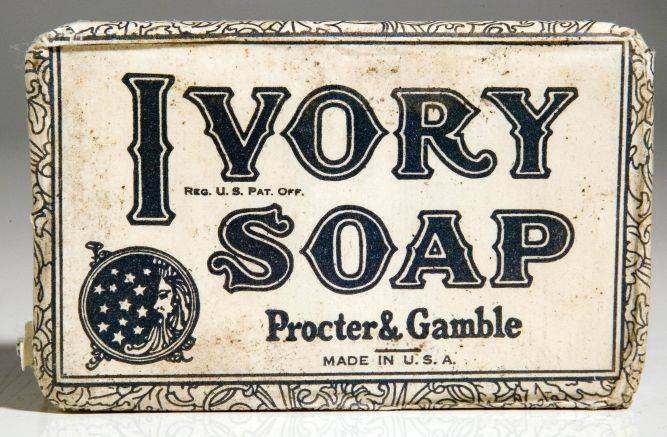
Merchants brought the first souvenir soaps from Venice bearing embossed trade house emblems that served as prototypes for modern molds. Industrial production began in the sixteenth century. At first only small artisanal workshops existed, yet from the eighteenth century industrial manufacturing started. In the nineteenth century the perfumer Brocard released soap shaped like animals, fruits and vegetables. Early in the twentieth century floating soap with an air cavity became popular. Today soap making is open to everyone, and many creators draw ideas from pieces such as soap with bath beads master class.
FAQ
Who first combined fat with ash?
Ancient Gauls and Roman women experimented with these mixtures for cleansing skin and fabrics.
Why was bathing rare in the Middle Ages?
The church considered the body sinful and discouraged regular washing.
When did industrial soap production begin?
Large scale manufacturing started in the sixteenth century across Europe.
What shapes were popular in the nineteenth century?
Brocard created bars resembling animals, fruits and vegetables.





