-
 DIY: Video master classes
-
 Aromatherapy
-
 Felting master classes
-
 Eating at home
-
 DIY cosmetics for children
-
 Cooking recipes
-
 Detergents, cleaning products with your own hands
-
 Soap making as a business
-
 Natural cosmetics. Raw materials for cosmetics and soap.
-
 Natural oils in cosmetics
-
 News
-
 Recipes for balms and conditioners
-
 Bath Bomb Recipes
-
 Cream recipes. Cream making.
-
 Lotion recipes. Gel recipes.
-
 Mask recipes
-
 Soap recipes. Base soap. Soap from scratch.
-
 Recipes for all occasions
-
 Natural shampoo recipes
-
 Healthy Nutrition Recipes
-
 Scrub recipes. Massage tiles. Ubtan
-
 DIY candles
-
 Reference materials, questions, tips
-
 Startup - soap production
-
 Hair care. Tips, recipes
-
 Facial skin care. Cleansers.
-
 Body care. Tips, recipes
-
 Photo Reviews
-
 Chocolate Handmade
Herbs in soap making
Hello to all home crafters who enjoy making thoughtful gifts for loved ones. Herbs have long been a popular addition in soapmaking because they provide natural scent and interesting texture to the finished product. In our region gathering herbs follows long traditions, and many people still sense which plants suit a particular batch best. Using herbs opens room for experiments and brings the process closer to nature. In our natural cosmetics section You can find more ideas for creative work.
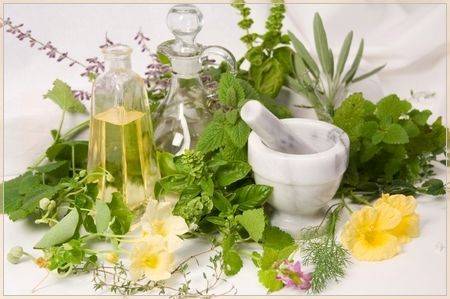
How herbs influence the final product
Herbs can be added fresh or dried. Fresh plants are sometimes first soaked in a base oil for several hours to soften them. Olive, almond or grapeseed oil works well for this step. Pumpkin seed extract oil blends nicely with herbs and helps distribute particles evenly. Garden herbs are finely chopped and lightly crushed by hand before use. They are introduced when the melted base has thickened to a pudding-like consistency.
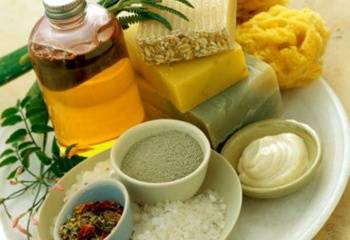
Working with fresh and dried plants
A small portion of the soap mass is poured into a separate container, herbs are added and everything is mixed thoroughly with a mixer. The mixture is then combined with the remaining base and stirred again. Such soap keeps for no longer than a month because fresh plants speed up spoilage. Dried herbs can serve as a gentle scrubbing element or simply as decoration. Olive fruit CO2 extract adds extra softness and a pleasant tone to the product.
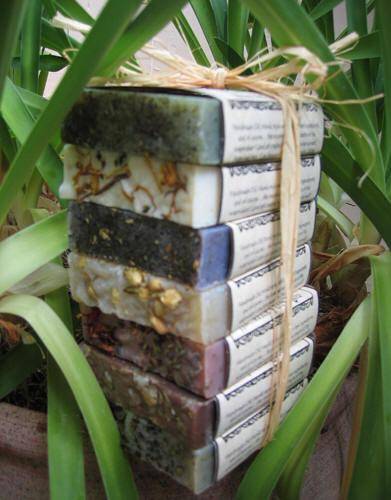
Infusions and decoctions from herbs
Besides whole plants, water, alcohol or oil infusions are often used. Combining two or three herb types with essential oils makes each batch truly unique. When making soap from scratch a strong decoction can replace water, for example from chamomile, calendula or eucalyptus. Decoctions and infusions are also added to high-quality ready bases, yet they may slightly alter the color of the mass. Oil extracts are prepared cold over several weeks in sunlight or hot on a water bath for three to five hours. Such extracts keep for years in the refrigerator. Liquid oils can be ordered from our store.
Simple lavender soap recipe
For one hundred grams of white base take one teaspoon of a herb-infused base oil such as olive or almond with lavender, five to seven drops of lavender essential oil, a couple drops of colorant and one teaspoon of ground dried lavender flowers. First melt the base in a water bath, add all components with the essential oil last, mix well and allow to set. The finished herb soap offers a pleasant scent and gentle texture.
FAQ
Can fresh garden herbs be used?
Yes fresh plants are finely chopped and added to the thickened mass, yet the finished soap keeps for only up to a month.
How long does an oil herb extract keep?
Such an extract stays good for years in the refrigerator and can be added to many different batches.
Do infusions change the base color?
Yes water and oil infusions often give the soap a light natural shade.
Do essential oils work well with herbs?
Yes combining two or three herb varieties with essential oils makes the product more fragrant and appealing.